Exploring Woodworking Classes for Seniors: A Comprehensive Guide
Retirement often brings an abundance of free time, prompting many older adults to seek out new hobbies and skills. One activity that has seen a significant increase in interest is woodworking. Learning to craft functional and artistic items from wood provides a deeply satisfying creative outlet.
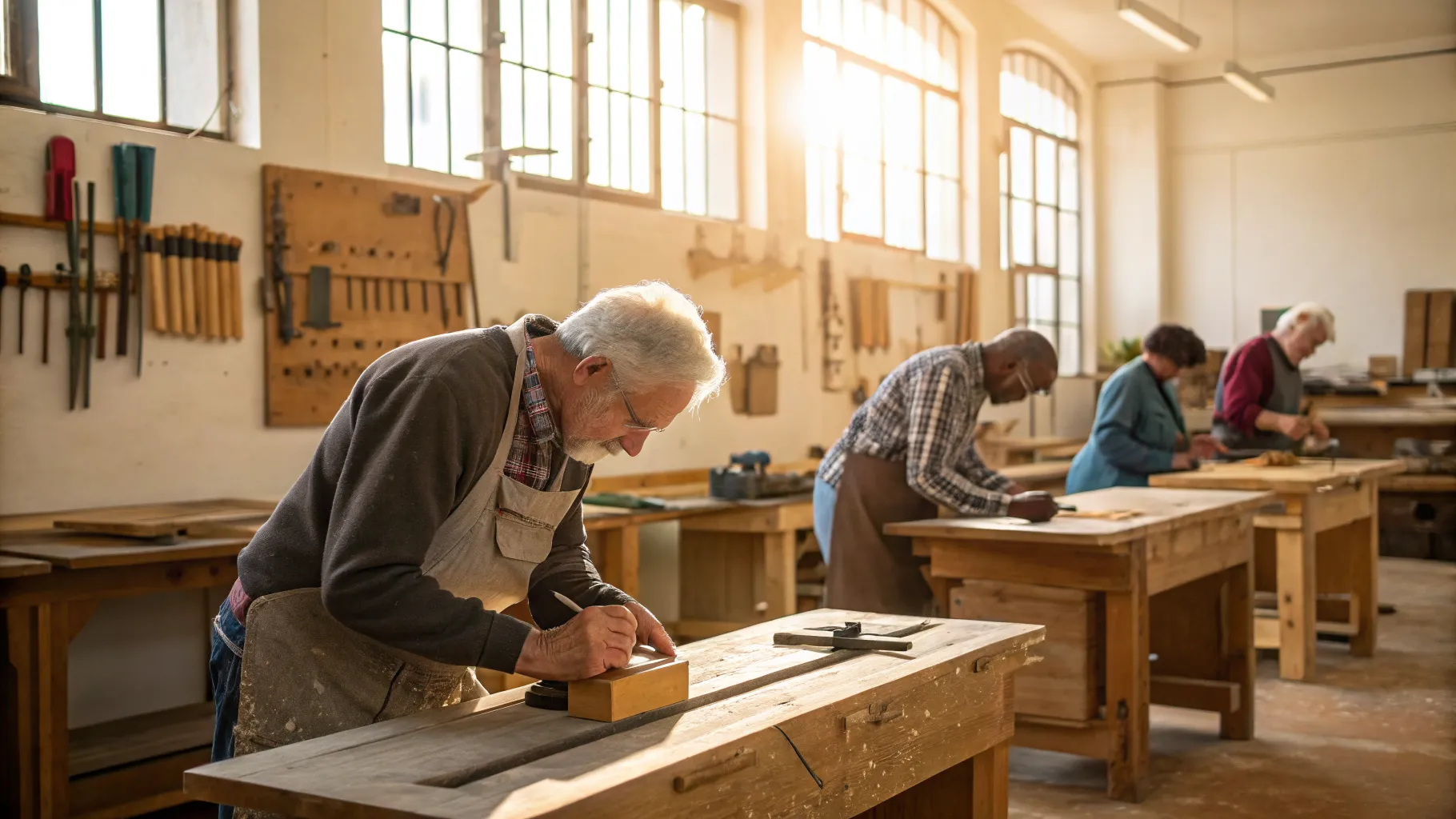
The Rising Popularity of Carpentry Classes for Seniors
In recent years, carpentry classes for seniors have become increasingly common in community centers and adult education facilities. Many older adults find themselves drawn to the tangible nature of building things by hand. This resurgence is partly due to a growing desire to disconnect from digital screens and engage in tactile, hands-on activities.
Woodworking classes for seniors offer a structured environment where individuals can learn at their own pace. Instructors who teach these courses understand the specific needs of older learners, ensuring that the pace is comfortable and the instruction is clear. The social aspect of these classes also plays a massive role in their popularity, as they provide a natural setting to meet peers with shared interests.
Cognitive and Physical Benefits of Woodworking
Deciding to learn woodworking over 60 is an excellent way to keep the mind sharp. Reading plans, measuring materials, and calculating angles require spatial awareness and problem-solving skills. These mental exercises are vital for maintaining cognitive health and can help improve focus and memory over time.
Physically, woodworking workshops for older adults offer a form of moderate exercise. While power tools do much of the heavy lifting, the craft still involves standing, walking around the shop, lifting materials, and using hand tools. This gentle physical exertion helps maintain joint flexibility, grip strength, and overall stamina without the high impact associated with other forms of exercise.
What to Expect in Woodworking Workshops for Older Adults
If you are stepping into a woodshop for the first time, the array of machinery and tools can seem overwhelming. However, introductory woodworking courses for retirees always begin with the absolute basics. The initial lessons focus heavily on understanding the properties of different types of wood, basic measuring techniques, and workshop etiquette.
As the course progresses, students typically move on to small, manageable projects. These might include building a simple birdhouse, a cutting board, or a small decorative box. These starter projects are designed to teach fundamental skills like cutting straight lines, sanding, and applying basic finishes. By the end of a beginner course, students will have a finished piece to take home and a solid foundation for more complex builds.
Finding the Right Woodworking Courses for Retirees
Locating the right class requires a bit of research, as offerings vary widely depending on your location. The best places to start looking are local community colleges, vocational schools, and community centers. Many of these institutions offer adult continuing education programs that feature introductory woodworking and carpentry courses at affordable rates.
- Check local makerspaces or community workshops, which often host specialized classes for beginners and seniors.
- Inquire at specialized woodworking supply stores, as they frequently host weekend seminars and multi-week courses.
- Search online directories for adult education programs in your municipality or county.
- Ask at local senior centers, as they sometimes partner with trade schools to offer discounted enrollment for older adults.
Safety Considerations for Senior Woodworkers
Safety is the most critical aspect of any woodworking environment, regardless of the student age. Good woodworking workshops for older adults emphasize shop safety from the very first minute. This includes proper instruction on wearing personal protective equipment, such as safety glasses, hearing protection, and dust masks to protect against fine wood particulates.
Instructors also focus on the safe operation of power tools. They will demonstrate how to use push sticks on a table saw, how to secure wood properly before routing or drilling, and how to maintain a safe distance from moving blades. Additionally, a well-run shop will have clear protocols for emergency situations, first aid kits readily available, and a well-ventilated space to ensure a safe breathing environment.
Essential Tools and Equipment to Get Started
One of the main advantages of taking woodworking classes for seniors is that the facility typically provides all the necessary heavy machinery and expensive tools. Students do not need to invest thousands of dollars in table saws, jointers, or planers to learn the craft. This makes the barrier to entry remarkably low for retirees who are just testing the waters.
However, many instructors recommend that students eventually purchase a few personal items if they plan to continue the hobby. Having your own safety gear ensures a proper, comfortable fit. As skills develop, students might also want to invest in a quality set of chisels, a reliable tape measure, and a good combination square. These small hand tools are affordable, easy to transport, and form the backbone of a personal toolkit for future projects.