Exploring Music Classes For Seniors: A Guide To Lifelong Learning
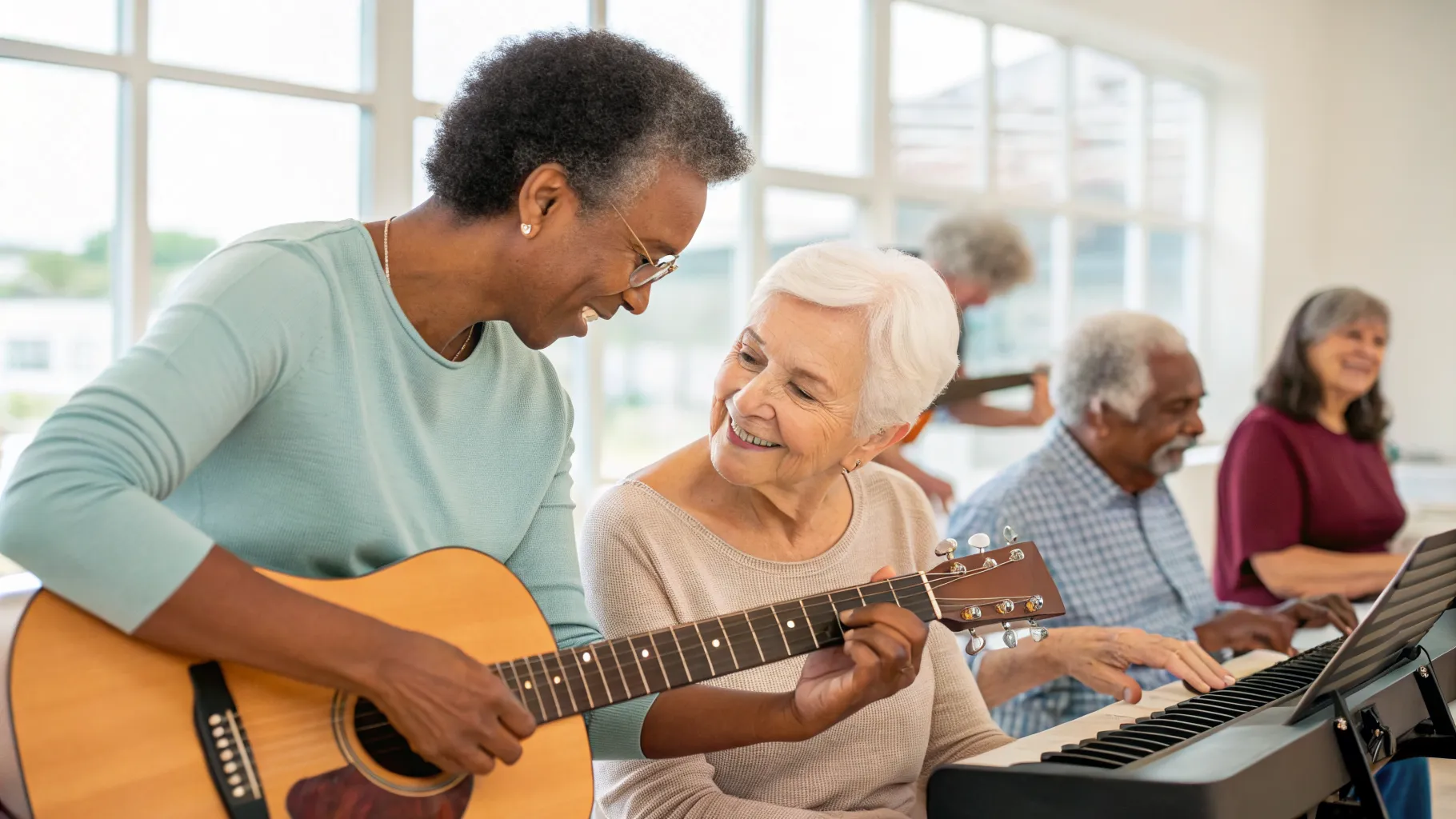
Learning to play an instrument or read music is a rewarding pursuit at any age. For older adults, taking up a new musical hobby offers a unique combination of mental stimulation, emotional expression, and social connection. Senior music lessons are designed specifically to accommodate the learning styles and physical needs of older students, making the process enjoyable rather than stressful.
The Cognitive Benefits Of Music Lessons
Engaging in music lessons provides a significant workout for the brain. Research has consistently shown that learning to read notes and coordinate hand movements strengthens neural pathways. This mental exercise helps improve memory, attention to detail, and problem-solving skills.
Many beginner music classes focus on the foundational elements of rhythm and pitch, which require active concentration. As seniors practice reading sheet music and translating those symbols into physical actions on an instrument, they maintain cognitive agility. Over time, this consistent mental engagement can contribute to a sharper mind and better overall cognitive health.
Physical Advantages And Adaptations
Playing an instrument also offers physical benefits, particularly for fine motor skills and hand-eye coordination. Instruments like the piano or acoustic guitar require precise finger movements, which can help maintain joint flexibility and dexterity. Instructors of senior music lessons are typically well-versed in accommodating physical limitations, such as arthritis.
For individuals with restricted mobility, certain instruments may be more suitable than others. For example, singing classes or percussion instruments might be easier on the hands while still providing a robust musical experience. Teachers often modify techniques, allowing students to learn at a comfortable pace without causing physical strain.
Emotional And Social Connections
Music has a profound impact on emotional well-being. Participating in music classes for seniors allows individuals to express themselves creatively, which can significantly reduce stress and alleviate feelings of anxiety or depression. The simple act of creating a beautiful melody provides a deep sense of accomplishment and joy.
Beyond personal satisfaction, group music classes foster a strong sense of community. Group lessons or senior choirs offer regular opportunities to socialize, share common interests, and build new friendships. This social aspect is especially valuable for retirees looking to stay active and engaged in their local communities.
Choosing The Right Instrument For Beginners
Selecting the right instrument is a crucial first step for anyone entering beginner music classes. The piano is often recommended because the keys are visually straightforward and do not require the calluses needed for string instruments. It provides a solid foundation in music theory that translates well to other musical endeavors.
- Ukulele: Lightweight, easy to hold, and features only four strings, making chord transitions simpler.
- Recorder or Flute: Great for improving breath control and lung capacity.
- Percussion: Excellent for focusing purely on rhythm without worrying about complex melodies or harmonies.
What To Expect In A Senior Music Class
When attending music classes designed for older adults, the atmosphere is generally relaxed and supportive. Instructors understand that adult learners often seek enjoyment and personal enrichment rather than a rigorous, competitive environment. The pacing is typically adjusted to ensure everyone grasps the fundamentals before moving on to more complex pieces.
A standard session might begin with physical warm-up exercises for the hands and vocal cords, followed by a review of previous material. Students then spend time practicing new techniques, often playing together as an ensemble. This collaborative approach removes the pressure of solo performances and encourages a team-oriented learning experience.
Where To Find Music Classes For Older Adults
Finding the right venue for music education is easier than one might think. Many community centers and local recreation departments offer low-cost or subsidized music lessons tailored specifically for seniors. These programs are fantastic starting points for those who want to try out an instrument before making a significant financial commitment.
Additionally, local community colleges often allow older adults to audit beginner music classes or participate in continuing education courses at a reduced rate. Private music schools and independent instructors also frequently advertise specialized senior music lessons. When researching options, it is helpful to ask about trial classes, instrument rental programs, and the instructor's experience with mature adult learners.