Understanding Home Repair Classes and Maintenance Training
Taking care of a property can be daunting, but gaining hands-on experience through structured education can demystify the process.
The Value of Learning Home Repair Skills
Homeownership often comes with a steep learning curve regarding property upkeep. When a pipe leaks or a light switch stops working, calling a professional is a standard response. However, knowing how to handle basic fixes can save significant amounts of time and money. Those who learn home repair skills gain a deeper understanding of how their household systems operate.
Beyond the financial benefits, mastering these tasks provides a strong sense of personal empowerment. It feels incredibly rewarding to diagnose a problem and implement a lasting solution with your own two hands. Completing a repair successfully builds confidence, which naturally translates into a willingness to take on slightly larger projects in the future.
What to Expect from Beginner Workshops
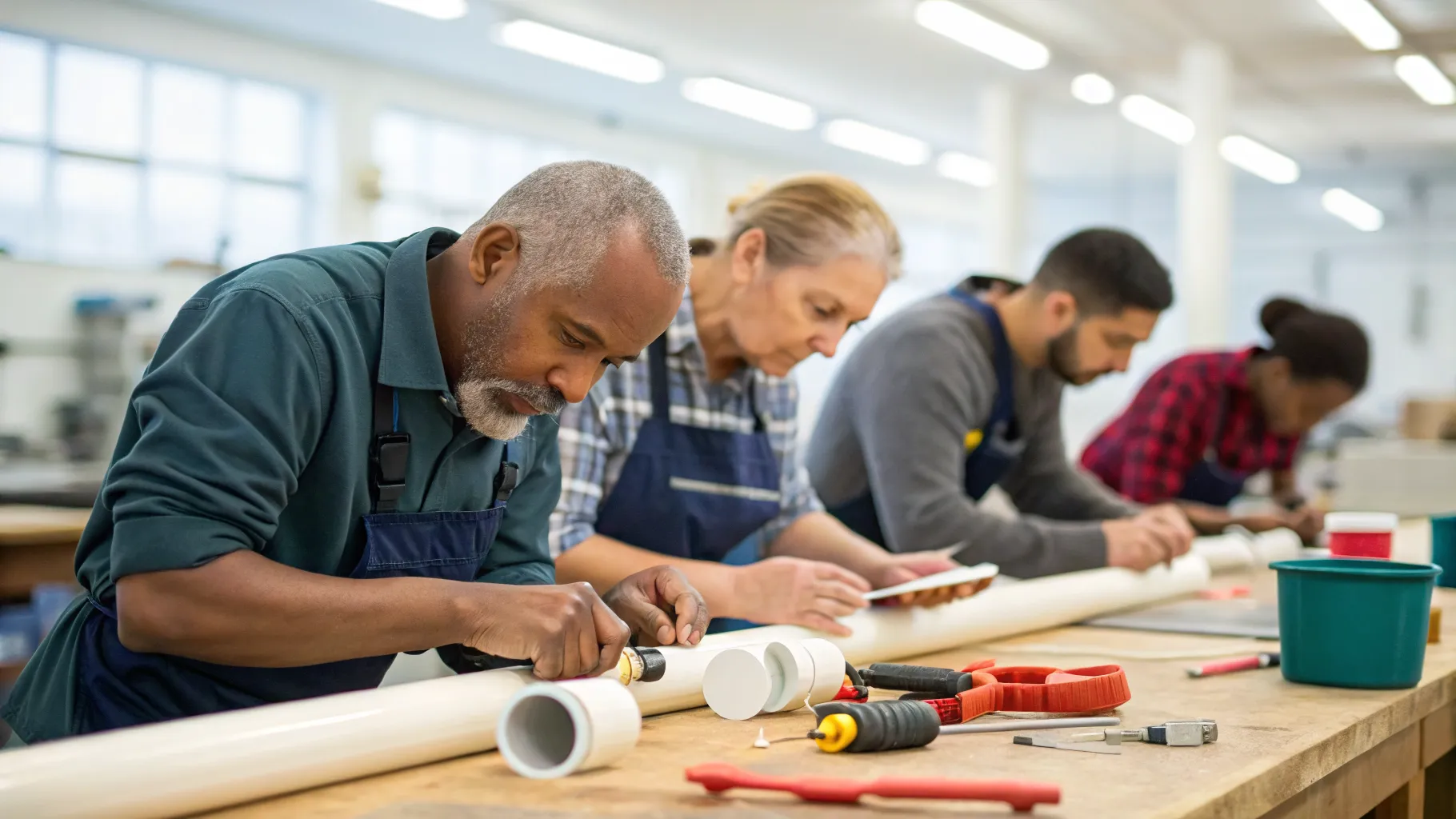
For individuals who have never picked up a power drill, stepping into a workshop might feel intimidating. Fortunately, repair workshops beginners can take are specifically designed to alleviate this anxiety. Instructors assume zero prior knowledge, starting from the absolute basics of tool safety and terminology before moving on to practical applications.
- Identifying common hand and power tools and their specific uses.
- Understanding the importance of personal protective equipment like safety goggles and gloves.
- Learning how to properly measure, mark, and cut materials without wasting supplies.
- Practicing foundational techniques on mock walls or plumbing fixtures rather than real home infrastructure.
Common Topics Covered in DIY Courses
Most DIY home repair courses follow a curriculum that addresses the most frequent household issues. Instructors typically divide the syllabus into core categories such as plumbing, electrical, carpentry, and general patching. By compartmentalizing the subjects, students can absorb the specific safety protocols and techniques required for each distinct trade.
In a typical plumbing module, participants might learn how to unclog a drain, replace a toilet flapper, or install a new sink faucet. Electrical segments often focus on safely swapping out light fixtures, testing outlets for power, and replacing simple wall switches. Patching and painting modules teach the proper way to repair drywall holes, sand surfaces smoothly, and apply paint without leaving streaks.
Where to Find Home Maintenance Training
Finding a local class is easier than many people realize, as numerous institutions offer home maintenance training to the public. Community colleges and vocational schools frequently host adult education programs during evenings or weekends. These programs are usually taught by licensed professionals and provide a structured, comprehensive approach to learning.
Additionally, large hardware store chains and local independent lumberyards sometimes offer weekend clinics. These shorter sessions are excellent for tackling specific, narrow topics like tiling a backsplash or installing weatherstripping. Community maker spaces and non-profit housing organizations also host skill-building events, often providing tools and materials for attendees to use during the session.
Choosing the Right Class for Your Skill Level
With so many options available, it is important to select home repair classes that match your current abilities. Signing up for an advanced framing workshop when you are still unsure how to find a wall stud will only lead to frustration. Reading the course descriptions carefully can help ensure you enroll in a session that aligns with your baseline knowledge.
If the course description is vague, reaching out to the organizing facility is a wise step. Ask about the student-to-teacher ratio, the specific projects you will complete, and whether the environment is strictly observational or fully hands-on. A smaller class size usually guarantees more individualized attention, which is crucial when handling unfamiliar tools or complex materials.
Essential Tools for Aspiring DIYers
While most educational facilities provide all the necessary equipment during the lessons, building your own toolkit is the logical next step. Instructors often provide recommendations on which tools are worth investing in immediately and which can wait. Starting with high-quality basics ensures you are prepared to apply your new knowledge as soon as a household issue arises.
A well-rounded beginner toolkit should include a reliable hammer, a set of flathead and Phillips screwdrivers, an adjustable wrench, and a heavy-duty tape measure. A cordless drill is also considered indispensable for modern home maintenance. Purchasing these items gradually allows you to spread out the cost while ensuring you have the right gear to tackle the projects you have just learned how to complete.