Discovering Music Lessons for Over 60s: A Guide for Older Adults
Starting a new hobby in later life can be a rewarding experience. For those entering their sixties and beyond, music lessons provide a unique combination of mental stimulation, physical engagement, and social connection. Learning to play an instrument or joining a vocal group is highly accessible today, with numerous resources tailored specifically for mature learners.
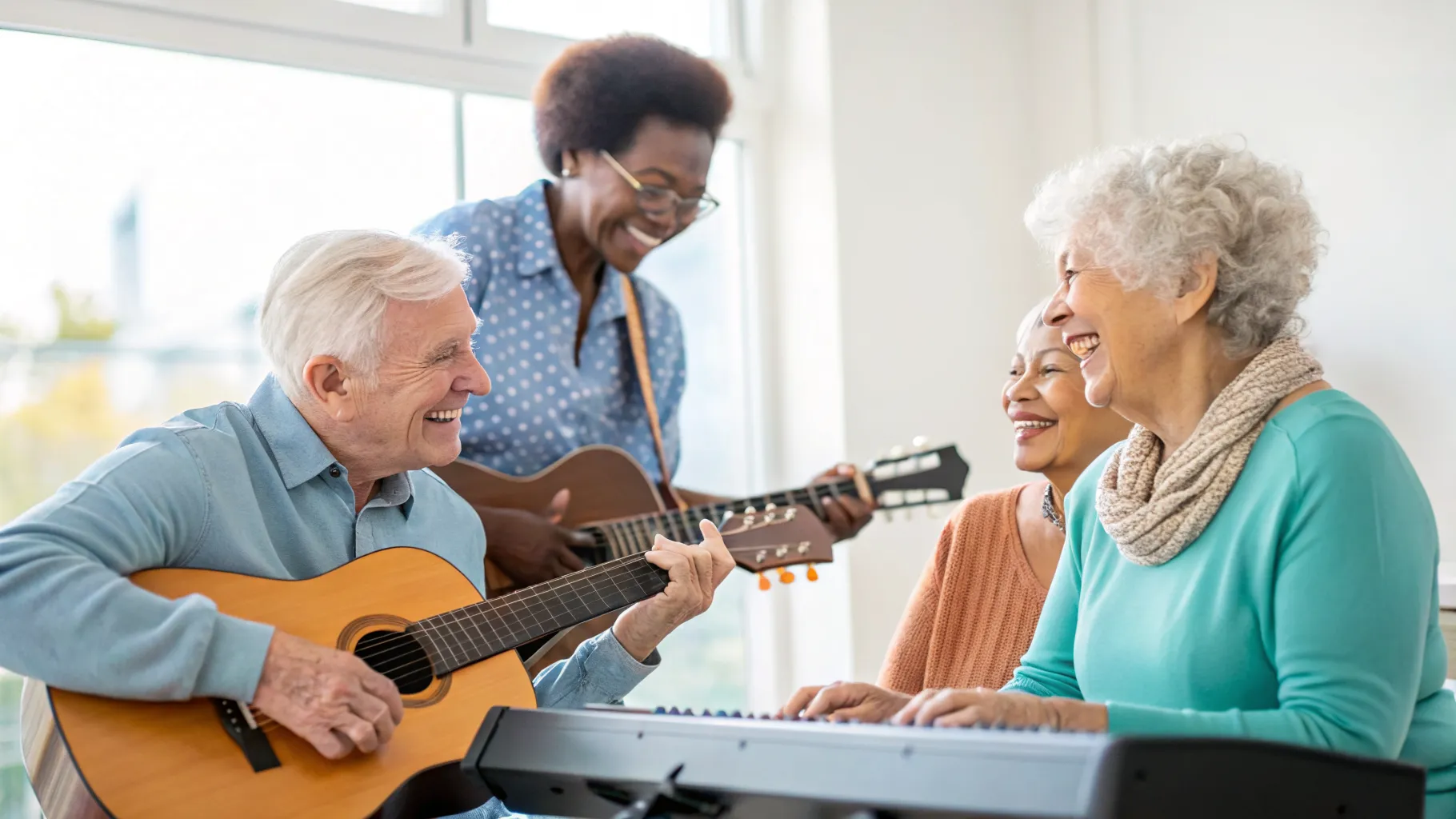
The Cognitive Benefits of Learning Music Later in Life
Engaging with music is often described as a full workout for the brain. When older adults participate in music lessons, they actively stimulate neural pathways that govern memory, auditory processing, and executive function. Studies consistently show that learning to read sheet music and translate it into physical movements helps maintain cognitive sharpness and can even delay the onset of age-related cognitive decline.
Beyond basic memory retention, beginner music classes require sustained focus and problem-solving. Students must coordinate rhythm, pitch, and timing simultaneously. This level of mental multi-tasking strengthens the connections between the left and right hemispheres of the brain, promoting overall mental agility well into the senior years.
Physical Advantages and Motor Skill Maintenance
Playing a musical instrument is not just a mental exercise. It also demands precise physical coordination. Instruments like the piano, guitar, or violin require fine motor skills, which can gradually diminish as we age. Regular practice helps keep the fingers, hands, and wrists nimble. The gentle, repetitive movements involved in pressing keys or strumming strings can aid in joint flexibility and dexterity.
Furthermore, instruments that rely on breath control, such as the flute, clarinet, or even vocal training, offer significant respiratory benefits. These activities teach deep, controlled diaphragmatic breathing, which strengthens the lungs and improves overall oxygen circulation. Even the act of sitting with proper posture while practicing contributes to core strength and spinal health.
Choosing the Right Instrument for Beginners
Selecting the appropriate instrument is a crucial first step for senior music lessons. Some instruments are inherently more forgiving for beginners and require less initial physical strength, making them ideal choices for older adults looking to start their musical education without feeling overwhelmed.
- The Ukulele: Lightweight and featuring only four nylon strings, the ukulele is gentle on the fingers and easy to hold, making it perfect for those with mild arthritis.
- The Piano or Keyboard: Keys are easy to press, and the layout provides a clear visual representation of music theory, which is highly beneficial for visual learners.
- Voice or Choir: The human voice requires no external equipment, and joining a choir offers immense social benefits alongside musical development.
Finding Senior Music Lessons in Your Community
Many local organizations recognize the value of arts education for seniors and offer specialized programming. Community centers, local libraries, and adult education annexes are excellent places to start the search. These venues frequently host group music classes designed specifically for older adults, often at a subsidized rate to ensure accessibility for those on a fixed income.
Additionally, local music schools and independent instructors often provide private lessons tailored to the pacing and learning styles of older students. When inquiring at independent studios, it is helpful to ask if the instructors have experience teaching mature adults, as the pedagogical approach differs significantly from teaching children.
Exploring Online Music Classes for Older Adults
For those who prefer learning from the comfort of their own home or who live in areas with limited local resources, the internet offers an abundance of options. Online music classes range from pre-recorded video tutorials on platforms like YouTube to live, interactive sessions conducted via video conferencing software. This flexibility allows students to learn at their own pace and review difficult concepts as many times as necessary.
Live online lessons provide the added benefit of real-time feedback from an instructor while eliminating the need for commuting. Many reputable music academies now offer hybrid or fully remote programs specifically designed for senior music lessons. Students only need a stable internet connection, a computer or tablet, and their chosen instrument to begin.
Overcoming Common Apprehensions as an Older Student
It is entirely normal for older adults to feel a sense of hesitation before enrolling in beginner music classes. A common misconception is that the ability to learn music is strictly confined to childhood. However, adult learners bring a wealth of life experience, patience, and intrinsic motivation that younger students often lack, which can greatly accelerate the learning process.
Another frequent concern is the fear of physical limitations, such as stiff joints or reduced hearing. The key is to communicate these concerns openly with the instructor before starting. Experienced teachers can adapt techniques, recommend ergonomic accessories, or adjust the pacing of the lesson to ensure the experience remains comfortable, enjoyable, and free of unnecessary strain.
What to Expect in Your First Few Lessons
The initial stages of learning an instrument are focused on building a solid foundation rather than performing complex pieces. In the first few lessons, students will typically learn about proper posture, how to hold the instrument, and how to produce a basic sound. Instructors will also introduce fundamental concepts of reading music or understanding rhythm in a slow, manageable way.
Progress in the beginning may feel gradual, but small, consistent milestones are the building blocks of musical proficiency. Instructors will often assign short, targeted exercises for daily practice. Establishing a brief, regular practice routine of ten to fifteen minutes a day is far more effective than attempting long, exhaustive sessions once a week.