A Complete Guide to Sewing Classes for Beginners Over 60
Picking up a new skill during retirement offers a wonderful way to stay creative and mentally active. Learning how to start sewing over 60 is a particularly popular choice among seniors looking for a productive and relaxing hobby.
Whether the goal is to hem trousers, create custom quilts, or design unique clothing, taking structured sewing classes provides the perfect foundation. These workshops offer step-by-step guidance tailored to older adults who are entirely new to the craft.
The Benefits of Learning to Sew Later in Life
Engaging in sewing courses for retirees brings numerous cognitive and physical benefits. The process of following a pattern, measuring fabric, and operating a machine requires focus and problem-solving skills. This mental stimulation is excellent for keeping the brain sharp and engaged during the retirement years.
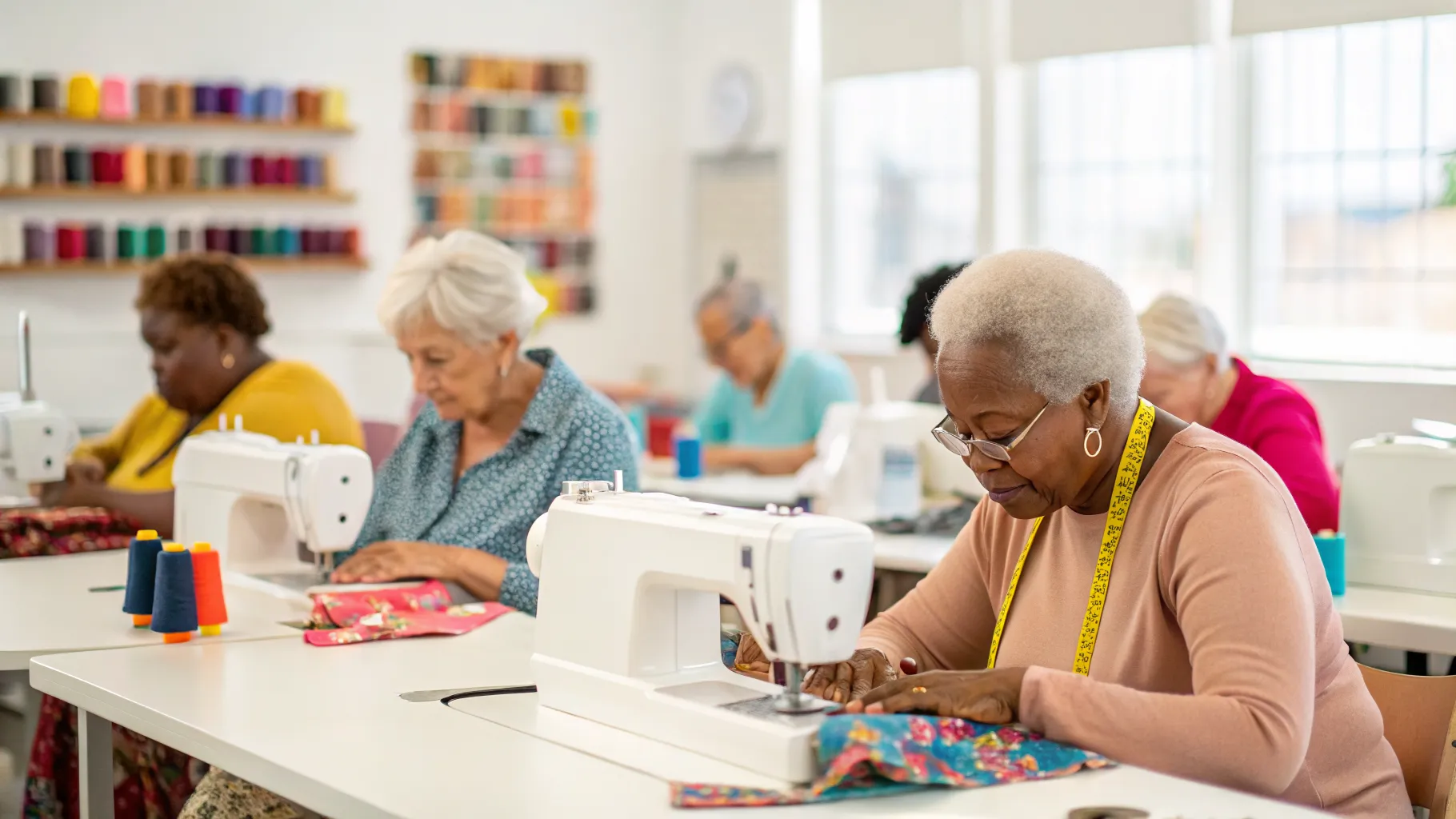
Beyond cognitive advantages, sewing also fosters a strong sense of community. Group classes provide a structured environment where older adults can meet peers with similar interests. Sharing tips, celebrating finished projects, and chatting over fabric choices make beginner sewing workshops for seniors highly social and rewarding experiences.
Types of Sewing Classes Available for Retirees
When looking for sewing classes for beginners over 60, prospective students will find several different formats to choose from. Local community centers and adult education programs frequently host in-person sessions. These traditional classes provide hands-on help from an instructor who can physically adjust a machine or correct a cutting technique.
For those who prefer learning from home, online sewing courses offer incredible flexibility. These digital programs range from pre-recorded video tutorials to live interactive workshops via video conferencing. Online options are particularly beneficial for individuals with mobility limitations or those living in rural areas without access to local craft stores.
What to Expect During Your First Sewing Lesson
Walking into a sewing class for the first time might feel intimidating, but instructors design these beginner sessions to be completely accessible. The very first lesson usually focuses entirely on understanding the sewing machine. Students learn how to wind a bobbin, thread the needle, and identify the different parts of the equipment.
Once the machine basics are covered, the class typically moves on to practicing straight lines on scrap fabric. Instructors emphasize safety and machine control rather than speed. By the end of the first session, most beginners feel comfortable operating the pedal and guiding simple cotton fabrics under the presser foot without assistance.
Essential Tools for Beginner Sewing Workshops
While many craft stores and community centers provide sewing machines for their students, participants are often expected to bring a few basic supplies of their own. Having a personal sewing kit ensures that seniors can continue practicing their new skills at home between lessons.
- A pair of high-quality fabric scissors for clean cuts.
- Glass-head straight pins that are easy to see and grip.
- A flexible measuring tape with large, highly legible numbers.
- A seam ripper for safely removing incorrect stitches.
- Good quality polyester or cotton thread in neutral colors.
How to Find Local and Online Sewing Courses
Locating the right class simply requires knowing where to look in your community. Independent fabric shops and large craft store chains are excellent starting points. They frequently post monthly calendars detailing upcoming beginner classes, many of which offer discounted rates for older adults.
Another fantastic resource is the local public library or senior center. These community hubs often host free or low-cost sewing workshops taught by experienced volunteers. For digital classes, searching educational platforms or specialized crafting websites will yield hundreds of courses specifically tailored to novice sewists looking to learn at their own pace.
Tips for Staying Comfortable While Sewing
Comfort is a critical factor for anyone learning to sew, especially for older adults who might experience stiffness in their hands or back. Setting up an ergonomic workspace is the best way to prevent strain. The sewing table should be at a height where the elbows rest comfortably at a 90-degree angle, and the chair should offer firm lower back support.
Lighting also plays a massive role in reducing eye fatigue. Using a specialized task light or a magnifying lamp can make threading needles and reading pattern instructions significantly easier. Finally, taking frequent breaks to stand up, stretch, and rest the eyes will ensure that the sewing experience remains enjoyable and pain-free for hours at a time.