A Comprehensive Guide to Gardening Classes for Retirees
Retirement opens up a wealth of time to pursue hobbies that bring joy and relaxation. For many older adults, gardening becomes a favorite pastime, offering a blend of physical activity and creative expression. Taking gardening classes for seniors can elevate this experience by teaching foundational skills and introducing advanced techniques tailored to different mobility levels.
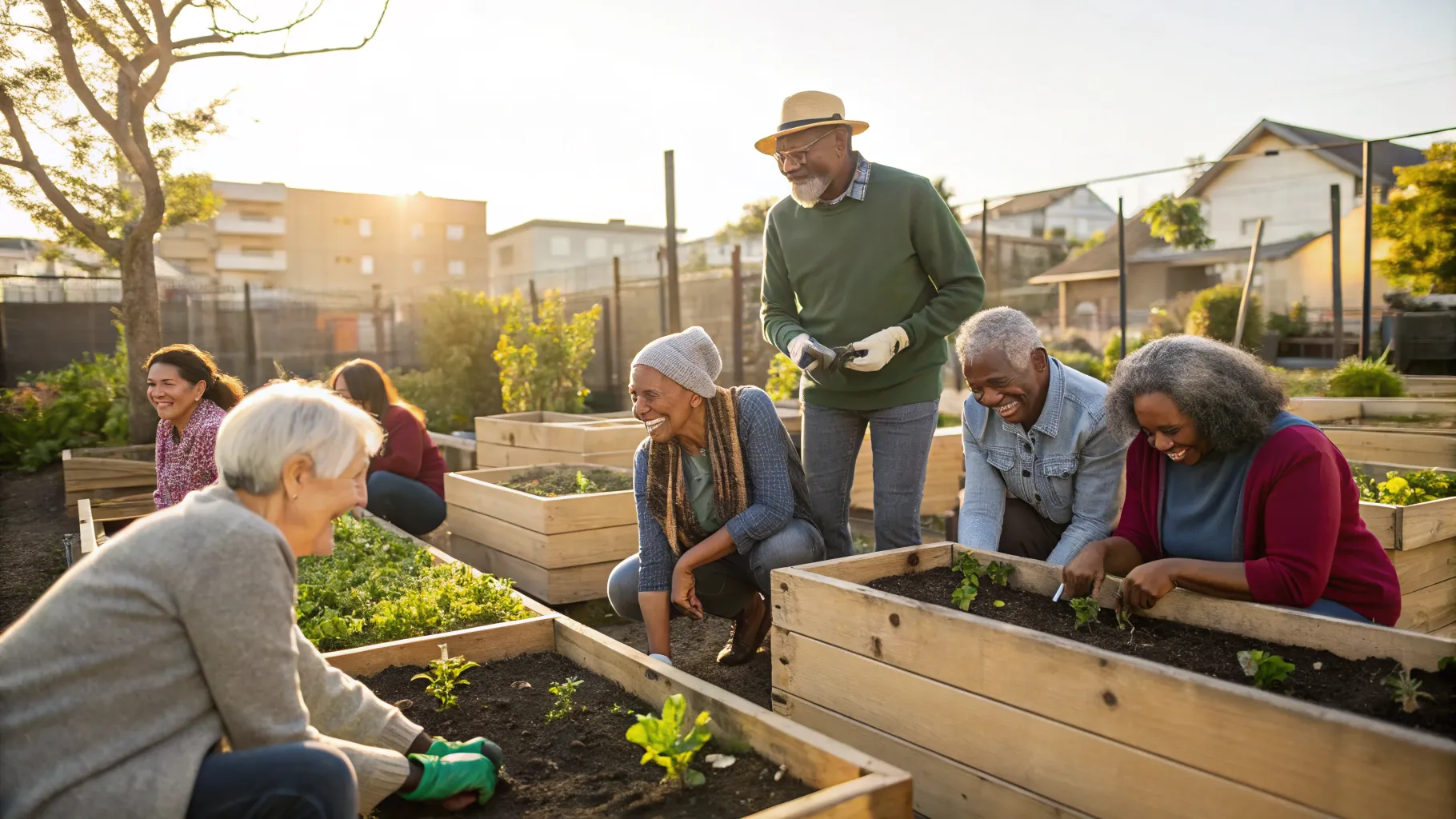
The Physical and Mental Benefits of Retirement Gardening
Engaging in retirement gardening offers substantial benefits for both the mind and the body. Tending to plants requires gentle physical movements like stretching, bending, and walking, which can help maintain flexibility and cardiovascular health. Regular time spent outdoors also increases vitamin D absorption, supporting bone strength and a healthy immune system.
Beyond the physical advantages, gardening provides a profound sense of mental well-being. Watching seeds sprout and flourish into mature plants gives individuals a strong sense of purpose and accomplishment. Many retirees find that working with soil and nature reduces stress levels and promotes mindfulness, making it a highly therapeutic daily activity.
Types of Senior Gardening Classes Available
When searching for gardening classes for seniors, prospective students will find a wide variety of topics designed to suit different interests and living situations. Some individuals might have sprawling backyards, while others may only have a small sunny balcony.
- Container Gardening: Focuses on growing vegetables, herbs, and flowers in pots, ideal for downsizing seniors.
- Master Gardener Programs: Comprehensive courses for those who want to dive deeply into botany, soil science, and pest management.
- Floral Arrangement: Teaches the artistic side of gardening, showing students how to clip and arrange their blooms.
- Indoor Plant Care: Ideal for the colder months, focusing on tropical houseplants and succulents.
Where to Find Gardening Workshops for Retirees
Locating the right gardening workshops for retirees is often a matter of checking with local community institutions. County extension offices are among the best resources, as they frequently host free or low-cost seminars led by agricultural experts. These programs are tailored specifically to the local climate and soil conditions, ensuring the advice is highly practical.
Other excellent venues include botanical gardens, community centers, and local nurseries. Many community colleges also offer non-credit adult education courses in horticulture. Furthermore, senior centers frequently partner with local gardening clubs to bring guest speakers and hands-on workshops directly to their members in a comfortable, accessible environment.
Adaptive Gardening Techniques Taught in Classes
One of the most valuable aspects of senior gardening classes is the focus on adaptive techniques. As people age, joint pain or decreased stamina can make traditional gardening tasks difficult. Instructors in these specialized classes teach students how to modify their approach to protect their knees, back, and wrists.
Students learn about the benefits of raised garden beds and vertical gardening setups, which eliminate the need for deep bending. Classes also introduce ergonomic tools featuring padded handles and extended reaches. By learning these adaptive methods, retirees can ensure they continue to enjoy their hobby safely and comfortably for years to come.
What to Expect in Your First Gardening Class
If you have never attended a gardening workshop before, you might wonder how the sessions are structured. Most beginner classes offer a mix of theoretical classroom instruction and hands-on practice. An instructor typically starts by discussing a specific topic, such as soil composition or watering schedules, before moving on to a practical demonstration.
Participants should expect a relaxed, welcoming atmosphere where questions are highly encouraged. It is generally best to wear comfortable clothing and closed-toe shoes that can handle a little dirt. Many programs supply all the necessary materials, including seeds, soil, and small pots, allowing students to take their first project home.
Transitioning from the Classroom to a Home Garden
The ultimate goal of attending gardening classes for retirees is to apply that new knowledge in a personal space. Instructors always recommend starting small. Rather than attempting to landscape an entire yard all at once, new gardeners should focus on a single raised bed or a few windowsill planters to build confidence.
Keeping a gardening journal is a highly recommended practice taught in many workshops. By recording planting dates, watering frequencies, and observations about plant growth, retirees can track their progress and learn from their mistakes. Over time, the skills acquired in class will transform any outdoor space into a thriving, beautiful sanctuary.