Carpet Cleaning Methods: A Comprehensive Guide to Carpet Care
Maintaining a fresh and hygienic living or working space often begins from the ground up, placing a strong emphasis on properly maintained flooring. Knowing the various carpet cleaning methods available helps individuals and facility managers make informed decisions about preserving their investments.
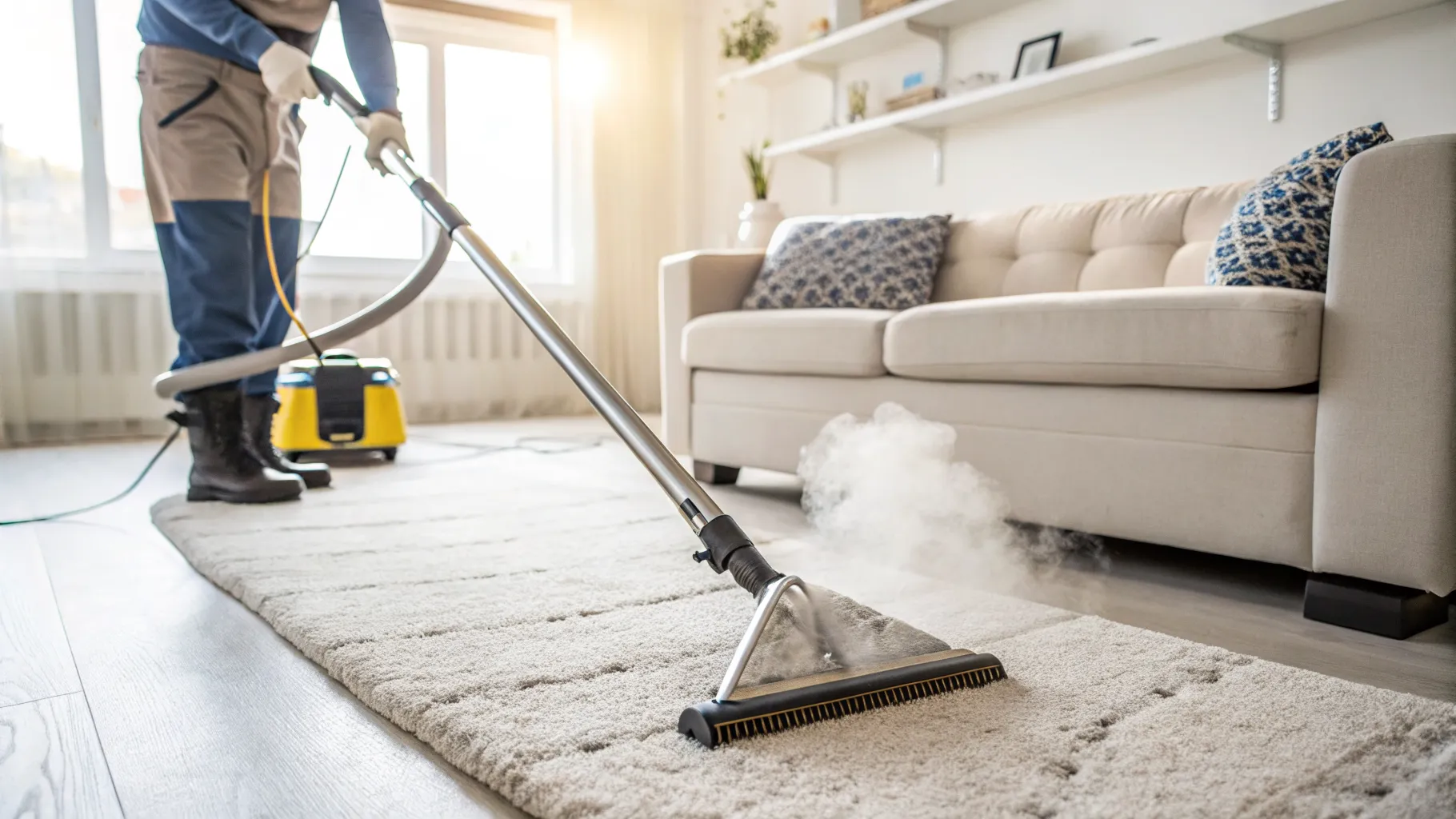
Understanding Hot Water Extraction
Often referred to as steam cleaning, hot water extraction is widely considered one of the most effective carpet cleaning methods available. This process involves forcing highly pressurized hot water mixed with cleaning agents deep into the carpet fibers. The intense pressure helps dislodge dirt, debris, and allergens that have settled near the base of the carpet.
After the solution is injected, a powerful vacuum immediately extracts the water along with the dissolved dirt. While it is highly effective at deep cleaning carpets, this method does require a significant drying time. Homeowners and facility managers must ensure proper ventilation to prevent mold or mildew growth while the fibers dry completely.
The Dry Cleaning Approach
Dry cleaning, also known as absorbent compound cleaning, is an excellent alternative for areas that cannot tolerate moisture or require immediate foot traffic. Instead of using water, this method relies on a specialized powder or compound mixed with specific solvents. The mixture is sprinkled evenly over the carpet and worked into the fibers using a motorized brush machine.
The dry compound acts like a sponge, absorbing dirt, oils, and odors from the carpet. Once the compound has done its job, it is thoroughly vacuumed away, taking the trapped soil with it. This technique is highly favored in commercial settings and busy households because it allows the space to be used almost immediately after the cleaning process is finished.
Encapsulation for Modern Carpets
Encapsulation has gained immense popularity in recent years due to its efficiency and environmentally friendly profile. This technique uses synthetic detergents that crystallize into powder form as they dry. When the encapsulation chemical is applied to the carpet, it surrounds the dirt particles and breaks their bond with the carpet fibers.
As the solution dries, the encapsulated soil turns into a dry crystalline structure. Routine vacuuming then easily removes these crystals from the carpet. Because it uses less water than traditional hot water extraction, encapsulation leaves carpets dry in a much shorter timeframe and typically avoids the sticky residue that can sometimes attract new dirt.
Bonnet Cleaning Techniques
Bonnet cleaning focuses primarily on the surface of the carpet, making it a common choice for routine maintenance in commercial environments like hotels and offices. The process involves a heavy duty floor machine equipped with a spinning pad, known as a bonnet, which has been soaked in a cleaning solution. The spinning action absorbs dirt from the top layer of the carpet fibers.
While bonnet cleaning is relatively fast and inexpensive, it does not provide a deep clean. It is best utilized as a temporary measure to improve the appearance of high traffic areas between more intensive deep cleaning sessions. However, because it pushes some dirt further down into the pile, it is not highly recommended for plush residential carpets.
Carpet Shampooing Fundamentals
Long before encapsulation and hot water extraction became the industry standards, carpet shampooing was the primary method for heavily soiled floors. This technique involves generating a thick foam on the carpet using a specialized detergent and a rotary brush machine. The brush agitates the foam into the fibers to loosen deeply embedded dirt.
The primary drawback of traditional shampooing is the lack of an extraction phase. The foam is left to dry into a brittle residue, which must be vacuumed up later. If the residue is not completely removed, it can become sticky and attract more dust, which is why many professionals have transitioned away from this method in favor of more modern alternatives.
Routine Home Carpet Care and Stain Management
Beyond professional treatments, maintaining clean carpets requires consistent home carpet care and prompt attention to spills. Regular vacuuming remains the most critical step in extending the life of any carpet, as it removes abrasive dirt particles before they can damage the fibers. Establishing a weekly vacuuming routine goes a long way in preserving the carpet texture and color.
When carpet stain cleaning is necessary, it is vital to act quickly but gently. Here are a few essential carpet cleaning tips for managing everyday spills:
- Blot the stain with a clean, dry cloth rather than rubbing it, as rubbing can push the stain deeper or damage the fibers.
- Test any commercial or homemade cleaning solution on an inconspicuous area first to ensure it does not cause discoloration.
- Work from the outside of the stain toward the center to prevent it from spreading further across the carpet.
- Rinse the area lightly with water after treating the stain to remove any lingering soap residue.