Understanding Dog Food Brands Ranking: A Comprehensive Guide for Pet Owners
Selecting the right diet for a dog is one of the most critical responsibilities a pet owner faces, requiring careful consideration of ingredients, sourcing, and nutritional value.
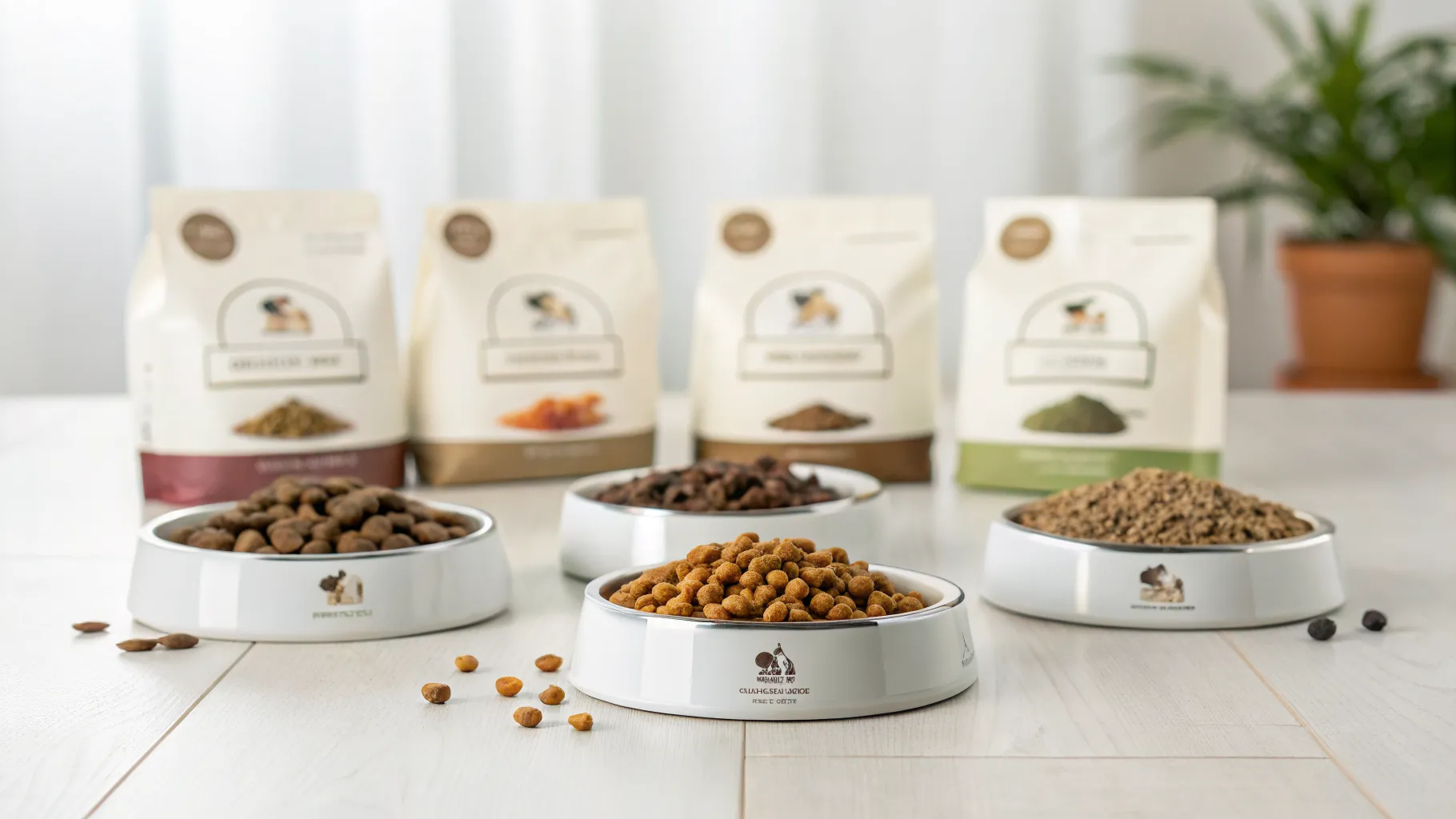
The Importance of Evaluating Pet Food Brands
With countless options lining store shelves, a reliable dog food guide is essential for navigating the complex world of canine nutrition. Proper nutrition directly impacts a dog's energy levels, coat health, immune system, and overall lifespan.
Understanding a dog food brands ranking system allows owners to look past flashy packaging and focus on what truly matters. Instead of falling for marketing gimmicks, informed buyers can evaluate the actual substance of the food they provide to their pets.
Key Criteria Used in Dog Food Comparison
When analysts and veterinarians review pet food brands, they rely on several core metrics to determine quality and safety. A primary indicator is whether a diet meets the nutritional levels established by the Association of American Feed Control Officials (AAFCO). Beyond basic compliance, evaluators look at a variety of specific factors.
- Quality and origin of primary protein sources.
- Presence of artificial preservatives, colors, or flavors.
- Transparency regarding manufacturing locations and ingredient sourcing.
- History of product recalls and the brand's response to them.
Understanding Ingredient Labels and Sourcing
The ingredient list is one of the most revealing aspects of any dog food comparison. By law, ingredients are listed in descending order by weight. This means the first five ingredients make up the vast majority of the product, highlighting the importance of seeing whole meats or named meat meals at the top of the list.
It is equally important to identify what is missing from a high-ranking food. Lower-tier brands often rely on unnamed meat by-products or excessive amounts of cheap fillers like corn syrup and artificial dyes. Highly rated options prioritize recognizable, nutrient-dense ingredients that serve a clear biological purpose for the animal.
The Role of Veterinary Nutritionists
A major differentiator in any dog food brands ranking is the presence of veterinary expertise behind the scenes. Top-tier companies employ full-time, board-certified veterinary nutritionists who formulate their diets. This ensures the recipes are biologically appropriate and nutritionally complete.
Many boutique brands outsource their formulation or rely on individuals without specialized veterinary training. Diets created by qualified professionals undergo rigorous feeding trials, offering a much higher standard of safety and efficacy than those formulated purely based on market trends.
Recalls and Brand Transparency
A flawless recall history is rare for brands that have been operating for decades, but how a company handles a recall speaks volumes. Reputable pet food brands are transparent about their mistakes, issue voluntary recalls swiftly, and implement immediate corrections to their supply chain or manufacturing process.
Companies that own their manufacturing facilities generally rank higher than those that use third-party co-packers. In-house production allows for stricter quality control measures, frequent ingredient testing, and a reduced risk of cross-contamination.
Differentiating Between Grain-Free and Grain-Inclusive Options
The grain-free movement significantly altered the pet food landscape, leading to a surge in diets utilizing legumes and potatoes as alternative carbohydrate sources. However, ongoing investigations into a potential link between certain boutique, exotic, and grain-free diets and canine dilated cardiomyopathy (DCM) have shifted expert recommendations.
Current rankings often favor grain-inclusive diets for dogs without diagnosed allergies, as whole grains like brown rice and oats provide valuable fiber and essential nutrients. Ultimately, the choice between grain-free and grain-inclusive should be guided by a veterinarian based on a dog's specific medical profile rather than popular fads.