A Guide to Piano Lessons for Seniors
Many older adults look for enriching activities that stimulate the mind and provide a sense of accomplishment. Taking piano lessons offers a unique blend of creativity and mental exercise that appeals to those entering their retirement years. Engaging in music lessons later in life is both accessible and highly rewarding.
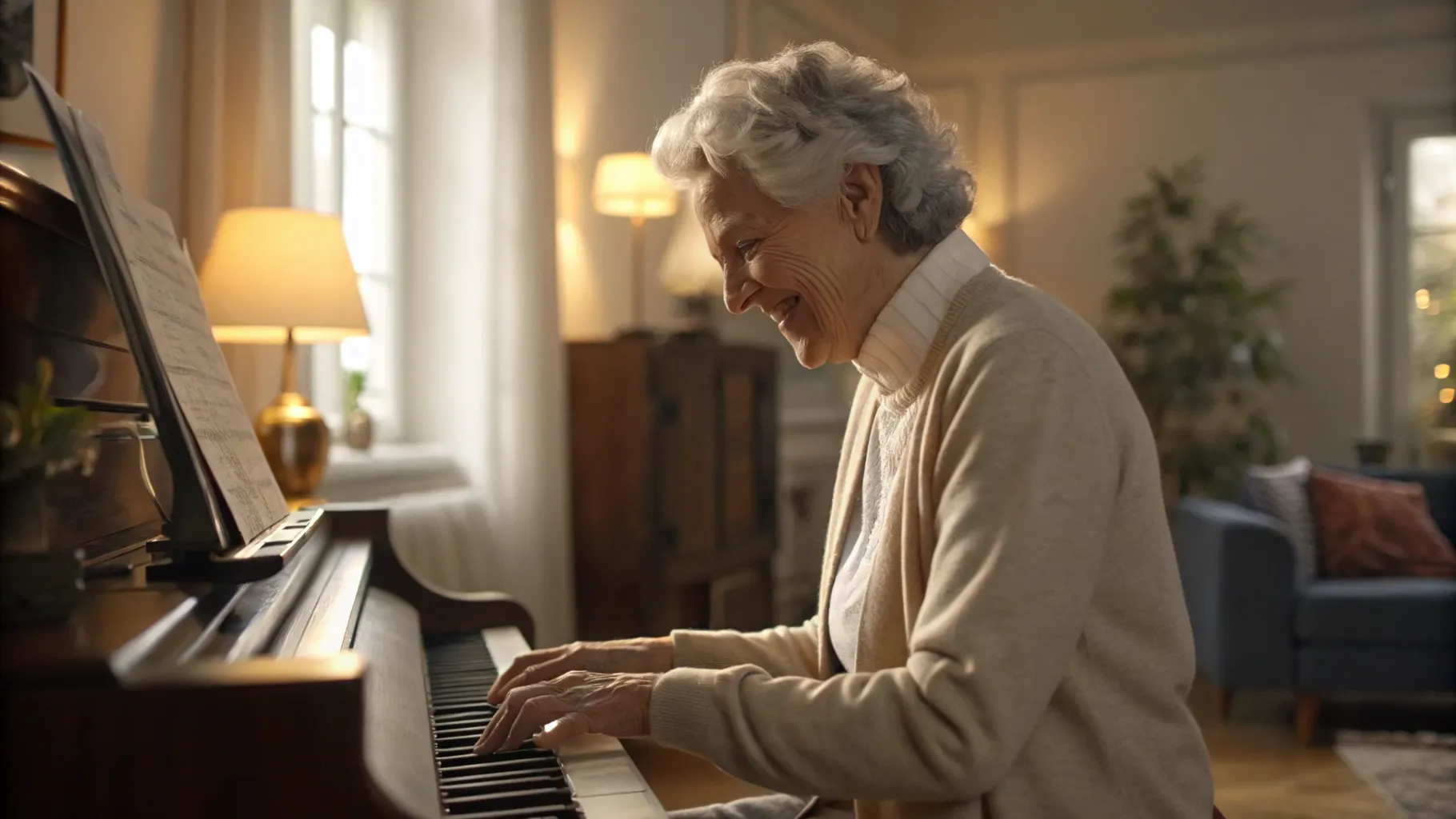
Cognitive and Physical Benefits of Learning Piano Later in Life
Learning to play an instrument provides significant cognitive stimulation. Research indicates that reading sheet music and coordinating hand movements can help maintain memory and improve overall brain plasticity. Engaging in regular practice sessions requires focus and concentration, which are excellent for keeping the mind sharp.
Beyond the mental advantages, playing the piano involves fine motor skills. Gently exercising the fingers and hands can promote joint flexibility and improve dexterity. While it is important to practice with proper posture to avoid strain, the physical act of playing serves as a mild and beneficial physical activity.
Types of Piano Lessons Available for Older Adults
There are several ways to approach piano lessons for seniors, depending on individual preferences and schedules. Traditional in-person lessons offer immediate feedback and a structured environment. These can be held at a local community center, a music school, or in the comfort of your own home.
Alternatively, online beginner piano classes have become increasingly popular. These virtual options provide flexibility, allowing students to learn at their own pace without the need to travel. Some digital platforms offer live video sessions with an instructor, while others provide pre-recorded video tutorials paired with interactive learning software.
Essential Equipment for Beginner Piano Classes
Starting this musical journey requires access to a suitable instrument. While a traditional acoustic piano is a wonderful choice, it requires tuning and takes up significant space. Many beginners opt for a digital piano or an electronic keyboard instead.
When selecting a digital instrument, there are a few key features to look for. An ideal keyboard should have full-sized, weighted keys to mimic the feel of an acoustic piano. Additionally, a sturdy stand, a comfortable bench adjusted to the correct height, and a sustain pedal will greatly enhance the playing experience.
Setting Realistic Goals and Managing Expectations
Progressing in music takes time and consistent effort. It is crucial to set achievable milestones rather than expecting immediate mastery. A good starting point is learning basic chord progressions and simple melodies that bring joy and motivation to the practice routine.
Celebrating small victories is an important part of the learning process. Whether it is playing a favorite childhood song or simply mastering a new scale, these accomplishments build confidence. Keeping a practice journal can help track these improvements and serve as a reminder of how far you have come since the first lesson.
Common Challenges and How to Overcome Them
Older beginners may face distinct hurdles, such as stiffness in the joints or visual difficulties when reading small print on sheet music. To address physical discomfort, brief warm-up exercises and taking frequent breaks during practice are highly recommended. If arthritis is a concern, speaking with a medical professional before starting can provide helpful modifications.
Visual and cognitive hurdles can also be easily managed with a few adjustments. Enlarged sheet music is widely available and makes reading notes much easier on the eyes. Furthermore, focusing on shorter, more frequent practice sessions rather than long, exhausting hours helps retain information better and prevents mental fatigue.
Finding the Right Instructor for Senior Music Classes
The relationship between a student and their music teacher is fundamental to success. It is beneficial to seek out instructors who have experience teaching older adults. These teachers often understand the unique learning pace and can adapt their methods to suit adult learning styles rather than relying on childhood pedagogy.
When researching potential instructors, asking questions about their teaching philosophy is a smart approach. You might want to know if they focus heavily on classical theory or if they are open to teaching popular songs from your favorite era. Finding a teacher who aligns with your personal musical interests ensures that the lessons remain engaging and enjoyable.