A Guide to Computer Basics Classes for Seniors
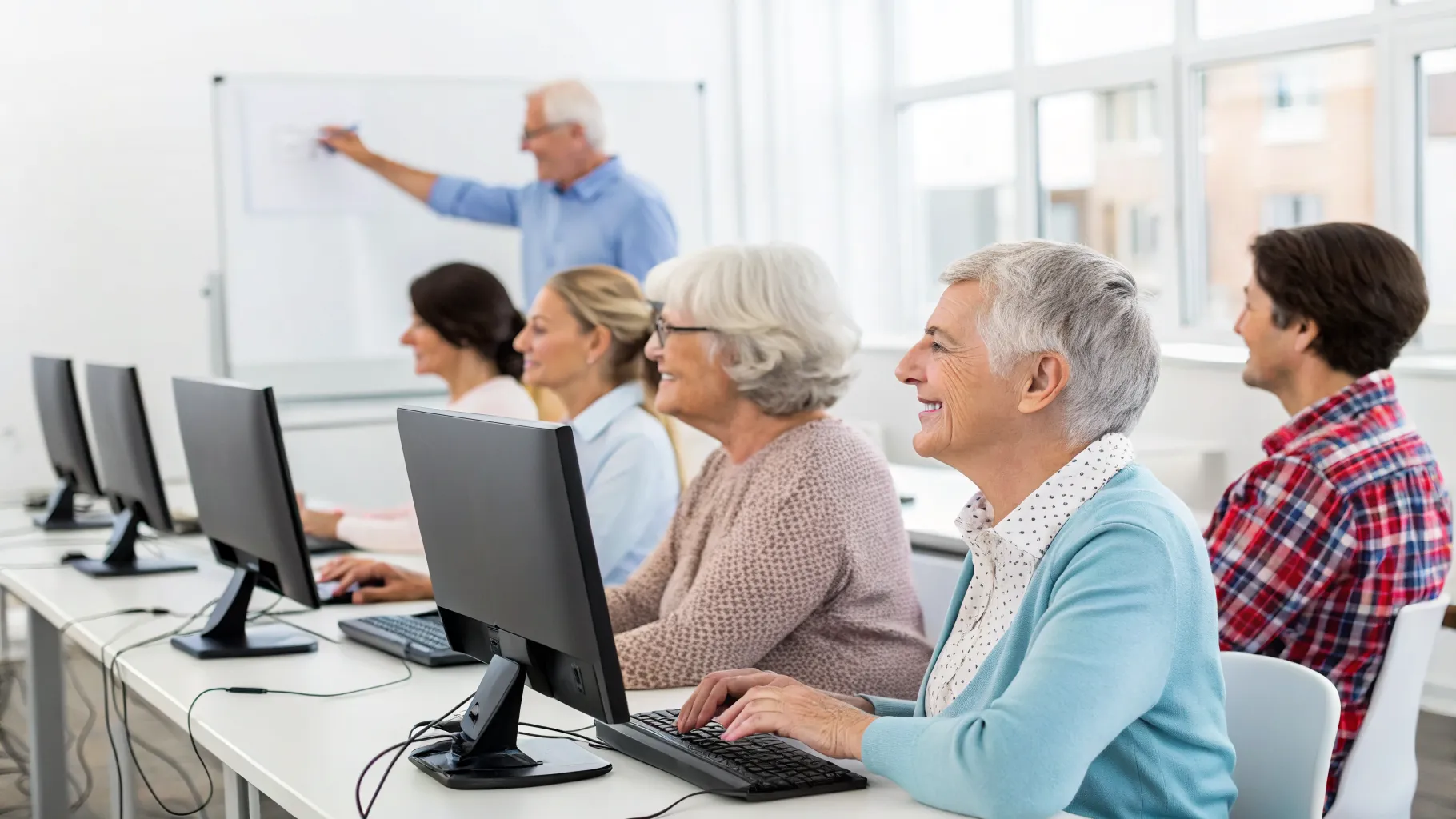
Taking the first steps into the digital world can feel overwhelming, but specialized education programs make the transition much easier. Computer basics classes for seniors are designed specifically with older adults in mind, focusing on practical skills at a comfortable pace.
Why Digital Literacy Matters in Later Life
In today's interconnected society, mastering technology is no longer just for younger generations or working professionals. For older adults, understanding how to use computers provides immense benefits that enhance daily life and foster independence. Many seniors find that acquiring basic digital skills allows them to stay in closer contact with family members who live far away.
Furthermore, navigating the internet safely opens doors to convenient services like online banking, telemedicine appointments, and grocery delivery. Learning computer skills for seniors is about empowerment. It bridges the gap between traditional methods of managing daily tasks and the modern, efficient alternatives available online.
Core Topics Covered in Basic Computer Training
When attending basic computer training over 60, the curriculum usually focuses on practical, everyday applications rather than highly technical concepts. Instructors understand that beginners need a solid foundation before moving on to complex software. Typical introductory lessons cover the anatomy of a computer, how to use a mouse or touchpad, and how to navigate the desktop environment.
- Setting up and managing email accounts to communicate with friends and family.
- Using web browsers to search for information safely and efficiently.
- Understanding basic cybersecurity principles, such as creating strong passwords and recognizing scams.
- Organizing files, folders, and downloading important documents.
Finding Computer Courses for Retirees Locally
For those looking for computer courses for retirees, local community resources are often the best place to start. Public libraries frequently host free or low-cost digital literacy workshops tailored specifically for older adults. These sessions are typically led by patient instructors or volunteers who guide participants step by step through various tasks.
In addition to libraries, senior centers and community colleges regularly offer specialized technology classes. These venues provide a relaxed, social atmosphere where learners can ask questions without feeling rushed. Participating in in-person classes also offers the added benefit of meeting peers who share similar learning goals.
Exploring Online Introduction to Computers Options
While in-person instruction is highly valuable, an online introduction to computers for seniors is another excellent avenue for building technical proficiency. Many organizations provide self-paced video tutorials designed for absolute beginners. These platforms allow individuals to learn from the comfort of their own homes and review the material as many times as necessary.
Online training is especially beneficial for those who may have mobility limitations or lack access to reliable transportation. When exploring virtual options, it is important to seek out reputable platforms that specialize in adult education and feature clear, distraction-free interfaces.
What to Look for in a Quality Training Program
Not all training programs are created equal, so it is important to evaluate the structure and teaching style of a course before enrolling. The best computer basics classes for seniors prioritize patience and hands-on practice. An ideal program will maintain a small student-to-instructor ratio to ensure everyone receives adequate personal attention.
Additionally, prospective students should look for courses that provide written materials or cheat sheets. Having physical handouts to reference at home can significantly reinforce the lessons learned in class. Instructors who use simple language and avoid technical jargon also make the learning process much smoother for beginners.
Overcoming Common Challenges When Learning Computer Skills
It is completely normal to feel intimidated when tackling unfamiliar technology. Many older adults worry about breaking the device or making a mistake that cannot be undone. Recognizing that these fears are common is the first step toward overcoming them. Good instructors will emphasize that computers are built with fail-safes and that making mistakes is a natural part of the learning curve.
Another common hurdle is remembering all the different steps required to complete a task. Consistent practice is the key to building muscle memory and confidence. By setting aside just a few minutes each day to practice navigating a tablet or laptop, older adults can quickly transform anxiety into technological fluency.