Exploring the Wild British Isles: A Guide to 14-Day Cruises
A cruise around the British Isles offers a unique perspective on the familiar landscapes of England, Scotland, Wales, and Ireland. A 14-day itinerary provides ample time to venture beyond the major cities and explore the wild, untamed coastlines, remote islands, and rich natural history that make this region so captivating. This type of journey focuses less on urban centers and more on dramatic cliffs, unique wildlife, and ancient historical sites often inaccessible by land.
What Defines a 'Wild' British Isles Cruise?
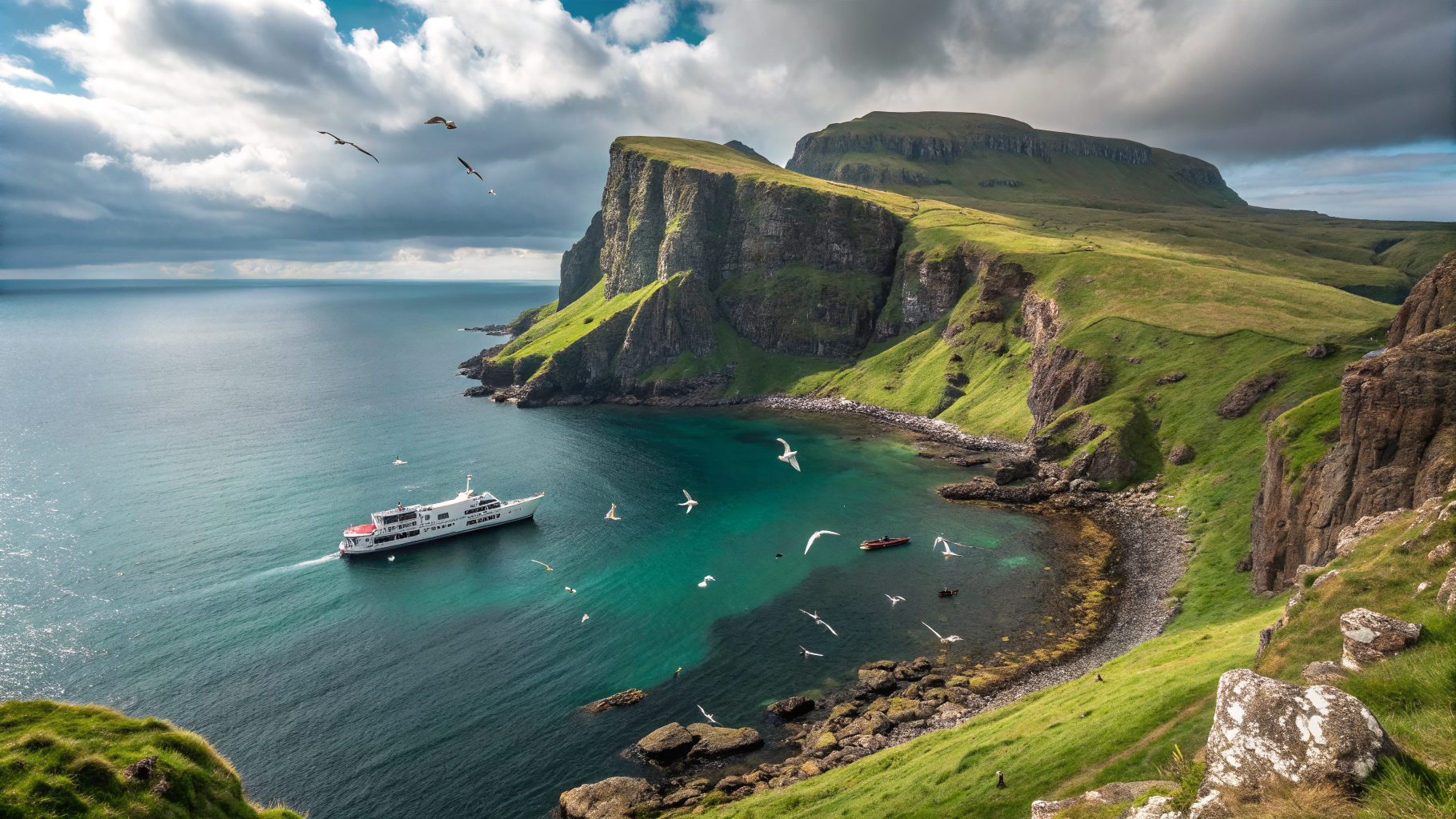
While many cruises visit the British Isles, a 'wild' or expedition-style itinerary has a distinct focus. These voyages prioritize nature, wildlife, and visits to smaller, more remote ports that larger vessels cannot access. Instead of spending days in major cities like London or Dublin, the schedule might include the remote Shetland and Orkney Islands, the rugged coast of Wales, or the bird-rich isles off the Irish coast.
The experience is often enhanced by onboard experts, such as naturalists, historians, and geologists, who provide lectures and guide excursions. The goal is to foster a deeper understanding and appreciation of the region's unique ecosystems and history. Shore excursions typically involve activities like hiking along coastal paths, zodiac boat trips to see seal colonies or seabird cliffs, and visiting Neolithic ruins on windswept islands.
Typical 14-Day Itinerary Highlights
A two-week cruise allows for a comprehensive exploration of the isles. While no two itineraries are identical, most will feature a mix of iconic landscapes and hidden gems. A typical route departing from a southern English port might circumnavigate Great Britain and Ireland, offering a diverse range of experiences.
Key regions and potential stops often include:
- Scottish Highlands and Islands: Exploring the Inner and Outer Hebrides, Orkney, and Shetland Islands for their Viking history, dramatic sea stacks, and vast seabird colonies.
- The Irish Coast: Visiting both Northern Ireland for sights like the Giant's Causeway and the Republic of Ireland for the Cliffs of Moher or the remote Aran Islands.
- The Welsh Coast: Discovering the beauty of Pembrokeshire Coast National Park or the Isle of Anglesey, rich in Celtic history and wildlife.
- Isles of Scilly: An archipelago off the Cornish coast known for its subtropical gardens and serene, sandy beaches.
- England's Coastline: Stopping at smaller ports in places like Cornwall or Northumberland to explore historic castles and charming fishing villages.
Departing from Southampton
Southampton is one of the United Kingdom's primary cruise ports and a very common starting point for British Isles itineraries. Its strategic location on the south coast of England provides excellent access to the English Channel, making it an ideal gateway for voyages heading north along the coast or across to Ireland. The port is well-equipped to handle ships of all sizes and offers modern facilities for passengers.
For travelers, Southampton is easily accessible via road and rail from London and its major international airports, Heathrow and Gatwick. Many travelers opt to arrive a day or two early to explore the city's own maritime history, including its connection to the Titanic, or to visit nearby attractions like the New Forest National Park or the historic city of Winchester before embarking on their cruise.
Onboard Life and Shore Excursions
The onboard experience can vary depending on the cruise line and the size of the ship. Smaller, expedition-focused vessels often offer a more intimate and educational atmosphere, with a strong focus on the destinations. Larger ships may provide more amenities and entertainment options, but excursions will still be geared towards the natural and historical wonders of the region. Regardless of the ship, you can expect a program of activities designed to enhance your journey.
Shore excursions are a critical part of the experience. These are designed to immerse you in the local environment and culture. You might find yourself on a guided hike across a Scottish moor, taking a boat tour to see puffins and guillemots, exploring ancient stone circles, or visiting a traditional whisky distillery. These activities are usually led by knowledgeable local guides or the ship's own expedition team.
Packing for Variable Weather
The weather in the British Isles is famously unpredictable, and it's possible to experience all four seasons in a single day. The key to staying comfortable is to pack layers that you can easily add or remove. A waterproof and windproof outer jacket is essential, as are sturdy, comfortable walking shoes with good grip, especially for excursions that involve hiking or walking on uneven terrain.
Other useful items to pack include:
- Waterproof trousers for potentially wet landings or rainy days.
- Warm sweaters or fleece jackets.
- A hat, gloves, and a scarf, even for a summer cruise, as it can be windy and cool at sea.
- Binoculars for spotting wildlife like seals, dolphins, and birds from the ship's deck.
- Sunscreen and sunglasses, as the sun can be strong when it appears.
Choosing the Best Time of Year to Go
The main cruising season for the British Isles runs from late spring to early autumn, typically from May to September. Each part of this season offers a slightly different experience. Spring (May and June) is a fantastic time for birdwatching, as seabirds like puffins return to their coastal nesting sites. The landscapes are lush and green, and wildflowers are in bloom.
The summer months of July and August offer the best chance of warmer weather and the longest daylight hours, which is particularly noticeable in the far north of Scotland. This is the peak season, so you can expect more fellow travelers. September brings a shift to autumn, with beautiful colors appearing in the landscape and fewer crowds at popular sites. While the weather may be cooler, it can be a wonderful and peaceful time to explore.