Exploring the Benefits and Types of Art Classes For Seniors
Participating in creative activities is a highly rewarding endeavor that provides older adults with an outlet for self-expression and skill development. Art classes for seniors are specifically designed to cater to the interests and physical needs of retirees looking to explore their artistic side.
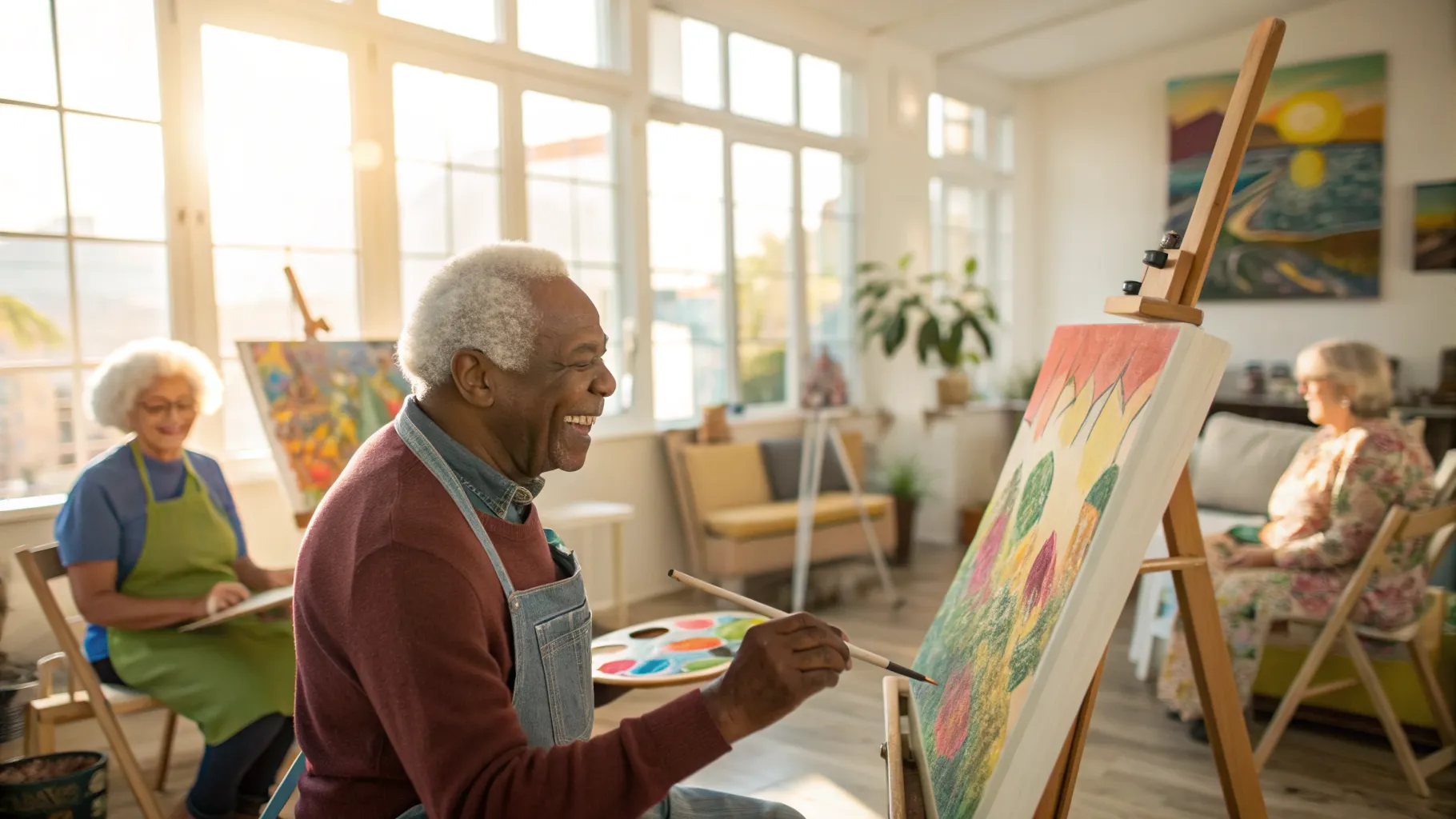
The Cognitive and Emotional Benefits of Creating Art
Engaging in artistic pursuits provides substantial cognitive stimulation for older adults. The process of learning new techniques and translating visual ideas onto a canvas encourages the brain to form new neural pathways. This mental exercise can help maintain cognitive function and improve memory retention over time.
Beyond the cognitive advantages, art programs for older adults offer profound emotional benefits. Focusing on a creative project serves as a natural form of stress relief and can significantly lower anxiety levels. Completing a piece of art also instills a strong sense of accomplishment and boosts overall self-esteem.
Popular Mediums in Senior Art Classes
Instructors typically choose mediums that are accessible, forgiving, and enjoyable for beginners and experienced artists alike. When looking into senior art classes, prospective students will usually find a variety of materials to choose from based on their personal preferences.
- Watercolor painting: This medium is highly popular due to its easy setup, simple cleanup, and fluid application process.
- Acrylic painting: Acrylics dry quickly and allow for easy corrections, making them ideal for individuals trying to build confidence on canvas.
- Clay sculpting: Working with clay improves hand strength and dexterity while offering a tactile, three-dimensional creative experience.
- Pencil and charcoal drawing: Sketching requires minimal supplies and focuses heavily on fundamental techniques like shading and perspective.
Accessibility and Accommodations in Art Workshops
A key feature of art workshops for seniors is the emphasis on physical accessibility. Venues hosting these classes typically ensure that rooms are well-lit to reduce eye strain and provide comfortable, supportive seating to accommodate individuals who may have mobility issues or back pain.
Additionally, instructors often provide adaptive tools to make the creative process easier. Items like chunky ergonomic brushes, tabletop easels, and magnifying glasses help participants who experience arthritis or visual impairments. These accommodations ensure that physical limitations do not hinder the artistic experience.
Where to Find Art Programs for Older Adults
Finding creative classes for retirees is usually a straightforward process, as many community organizations prioritize senior programming. Local community centers, public libraries, and senior living facilities frequently host weekly or monthly workshops. These locations often provide subsidized or free classes to residents.
Local art museums and independent studios are also excellent resources. Many museums offer specialized guided tours paired with hands-on studio time designed specifically for older demographics. For those who prefer learning from home, numerous online platforms now offer virtual art classes featuring live instruction and interactive feedback.
What to Expect in a Typical Art Workshop
The atmosphere in senior art classes is generally relaxed, encouraging, and focused entirely on the process rather than producing a perfect final product. Instructors guide participants through step-by-step demonstrations, allowing plenty of time for individuals to work at their own comfortable pace without feeling rushed.
Socialization is another major component of these workshops. Classes often include dedicated breaks where participants can chat, enjoy refreshments, and share their progress. This environment fosters a non-judgmental space where students can build meaningful friendships with like-minded peers while learning new skills.
Tips for Choosing the Right Creative Class
Before enrolling in a new program, it is helpful to assess your current interests and physical comfort levels. Taking the time to research different options ensures a positive and fulfilling educational experience.
- Class size: Smaller groups often allow for more personalized attention from the instructor and a quieter, less overwhelming environment.
- Instructor background: Look for programs led by educators who have specific experience working with older adults and understand how to teach adaptively.
- Material costs: Check whether the registration fee includes art supplies or if students are expected to purchase their own paints and canvases prior to the first session.