Exploring Basic Carpentry Classes for Beginners
Taking the first step into the world of woodworking can be highly rewarding. Basic carpentry classes provide a structured environment where novices can learn the essential skills needed to work with wood safely and effectively.
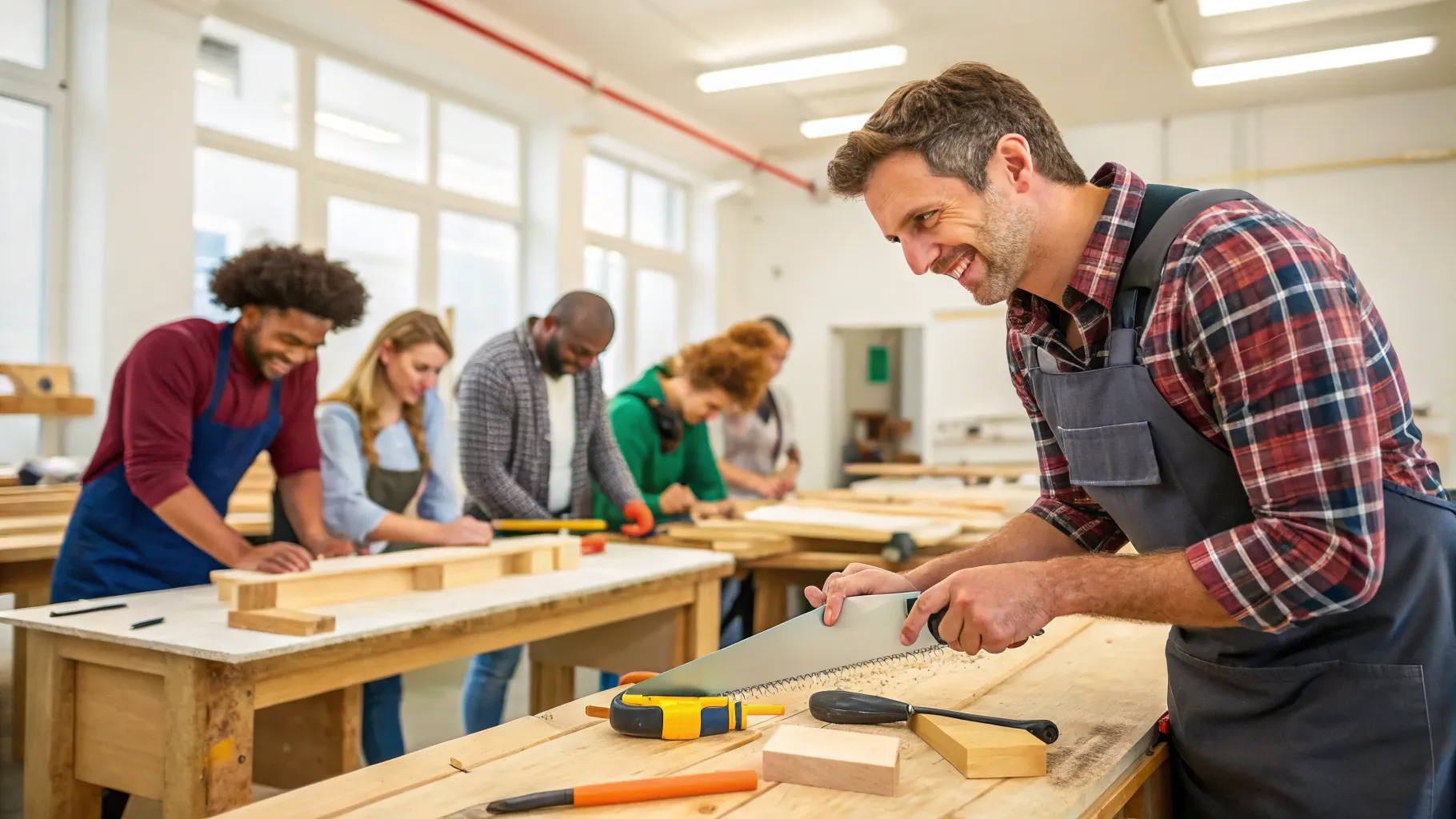
What to Expect in Basic Carpentry Classes
Walking into a woodworking shop for the first time can feel overwhelming due to the variety of machines and tools present. Basic carpentry classes are specifically designed to strip away this intimidation by focusing on foundational skills in a controlled setting. Instructors prioritize creating a welcoming atmosphere where mistakes are viewed as valuable learning opportunities rather than failures.
Most introductory courses divide their time between classroom instruction and hands on application. Students usually begin with safety briefings and theoretical knowledge about different wood types before moving on to practical exercises. This balanced approach ensures that learners understand not just how to perform a task, but why a specific method is chosen.
Essential Hand Tools Covered in Carpentry Workshops for Beginners
Before touching any heavy machinery, it is vital to understand how to manipulate wood using manual energy. Carpentry workshops for beginners dedicate significant time to hand tool proficiency. This foundational knowledge allows students to develop a tactile understanding of wood grain and material resistance.
- Measuring and Marking Tools: Accuracy is everything in carpentry. Students learn to use tape measures, combination squares, and marking knives to ensure precise dimensions.
- Saws: Different hand saws serve different purposes. Instructors teach the difference between rip cut and crosscut saws.
- Chisels and Mallets: Essential for carving out joints and refining edges, chisels require proper technique to use safely and effectively.
Introduction to Power Tools and Workshop Safety
Once students are comfortable with manual techniques, basic carpentry classes typically introduce essential power tools. This transition greatly increases efficiency but also elevates the risk of injury. Therefore, safety is reiterated constantly during this phase of learning carpentry basics. Instructors demonstrate the correct posture, hand placement, and operational procedures for each machine before any student is allowed to turn the power on.
Common power tools introduced at this level include drills, miter saws, and orbital sanders. Students learn how to change drill bits, secure materials with clamps before cutting, and select the appropriate grit for sanding. Personal protective equipment, such as safety glasses, hearing protection, and dust masks, becomes a strict requirement during these modules.
Fundamental Woodworking Techniques for Beginners
The core of woodworking carpentry training revolves around mastering a few fundamental techniques that apply to almost every project. Measuring twice and cutting once is an age old adage that instructors emphasize repeatedly. Students practice transferring measurements from plans to their lumber with high precision, as even a millimeter of error can compound throughout a build.
Joinery is another major focus in beginner courses. Rather than starting with complex dovetails, students learn basic but sturdy methods like butt joints, miter joints, and pocket hole joinery. Understanding how to apply wood glue properly and how to clamp pieces securely while the glue dries are crucial skills that ensure the longevity of the final product.
Typical Projects in Beginner Carpentry Training
Applying new skills to a tangible item is the best way to solidify learning. For this reason, most beginner courses culminate in a final project that incorporates all the techniques covered in the syllabus. These projects are usually small scale, allowing students to complete them within the timeframe of the course while still feeling a sense of accomplishment.
- Simple Toolboxes: A classic beginner project that teaches basic measuring, cutting, and fastening techniques.
- Step Stools: Building a step stool introduces students to creating stable structures and working with basic angles.
- Cutting Boards: Often used to teach students about gluing up panels and achieving a perfectly smooth finish through progressive sanding.
How to Choose the Right Woodworking Carpentry Training
Finding the right environment to learn carpentry basics depends on individual learning styles and goals. Community colleges, local makerspaces, and private woodworking schools all offer introductory courses, but the experience can vary widely. It is important to research the curriculum to ensure it covers the specific areas of carpentry you are most interested in, whether that is furniture making, framing, or general home repair.
Prospective students should also consider class sizes and the student to instructor ratio. Smaller classes generally provide more personalized attention, which is highly beneficial when learning potentially dangerous new skills. Reading reviews from former students and visiting the facility beforehand can provide valuable insight into the cleanliness, tool maintenance, and overall safety culture of the workshop.