Exploring the Benefits and Varieties of DIY Craft Workshops for Seniors
Engaging in creative pursuits is a wonderful way for retirees to spend their free time while discovering hidden talents. DIY craft workshops for seniors have become increasingly prevalent in communities across the globe. These classes offer a structured yet relaxed environment where older adults can experiment with different materials and techniques.
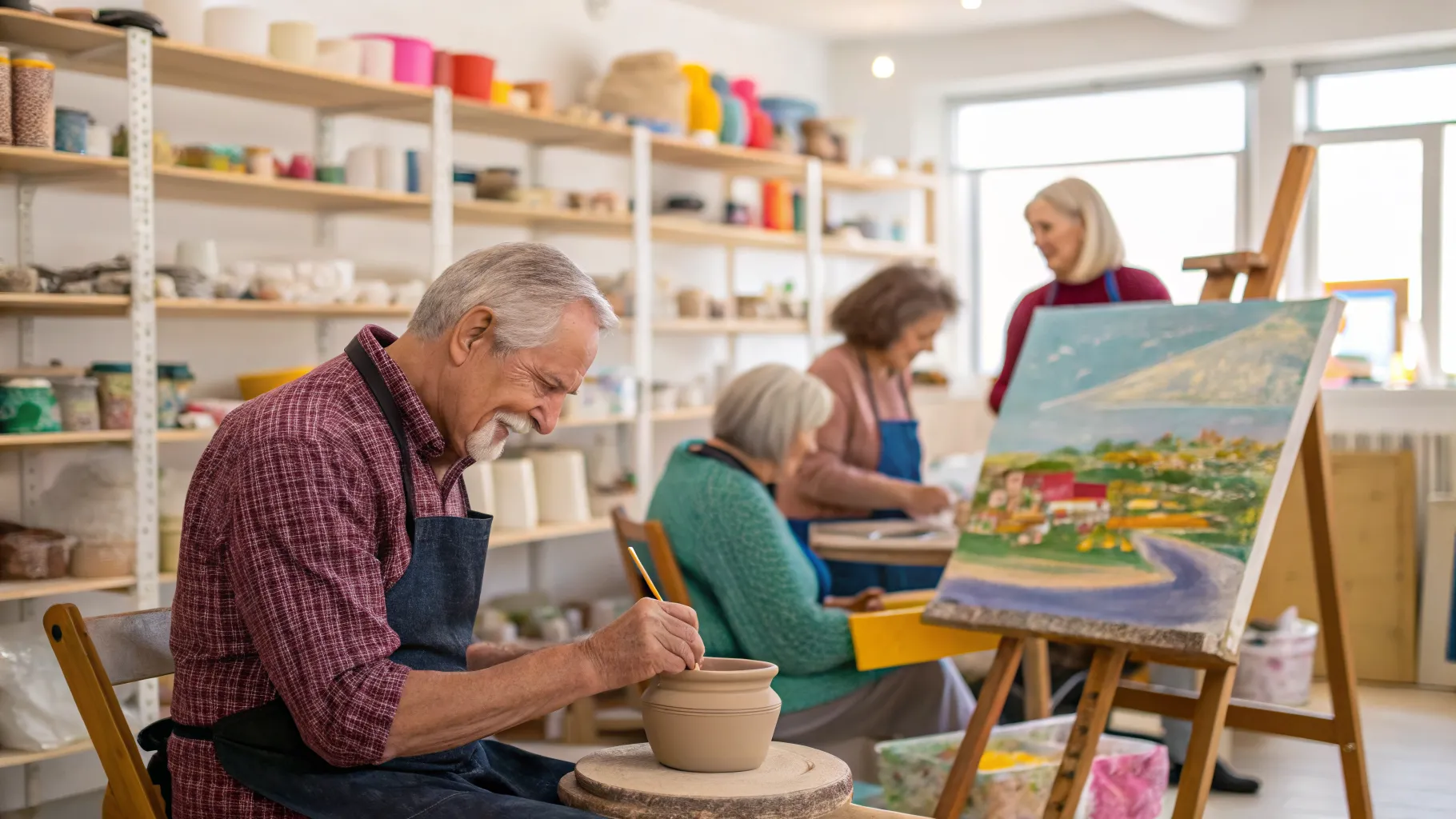
The Rise of Creative Workshops for Older Adults
In recent years, there has been a noticeable increase in the availability of creative workshops for older adults. Community organizers and art instructors recognize that retirees often look for meaningful activities to fill their schedules. These programs are specifically designed to accommodate the pacing and interests of older participants.
Instructors typically focus on the joy of the process rather than demanding perfection in the final product. This low-pressure approach encourages individuals who may have never considered themselves artistic to pick up a paintbrush or a ball of yarn. By removing the stress of competition, these spaces become highly welcoming and encouraging.
Physical and Cognitive Benefits of Crafting
Participating in handmade craft classes provides significant physical benefits for seniors. Activities that require precise movements, such as threading a needle, molding clay, or assembling small pieces, help maintain fine motor skills. Regular practice can keep joints flexible and improve hand-eye coordination over time.
Beyond the physical advantages, DIY projects for seniors workshops offer substantial cognitive stimulation. Following a pattern, measuring materials, or learning a new artistic technique requires focus and problem-solving. This mental engagement is known to support overall brain health and can help delay cognitive decline.
Fostering Social Connection Through Shared Hobbies
Social isolation is a challenge that many older adults face, particularly after retirement or the loss of a spouse. Craft classes for retirees naturally combat this issue by gathering people in a shared physical space. Sitting around a table working on individual projects creates an organic opportunity for conversation and bonding.
Because everyone in the room shares an interest in learning the craft, participants already have a built-in topic of conversation. This makes it much easier for introverted individuals to open up and connect with their peers. Over time, many workshop attendees form lasting friendships that extend well beyond the art studio.
Popular Types of Handmade Craft Classes
The variety of available workshops ensures that there is something to suit nearly every interest and physical ability level. Many programs rotate their offerings seasonally to keep the curriculum fresh and exciting.
- Pottery and ceramics: A tactile experience that ranges from simple hand-building to wheel throwing.
- Knitting and crochet: Traditional fiber arts that are highly portable and relaxing.
- Watercolor painting: A gentle, expressive medium that requires minimal physical exertion.
- Woodworking: Often involving pre-cut kits that allow seniors to assemble and paint birdhouses or small boxes safely.
Where to Find Craft Classes for Retirees
Locating these workshops is relatively straightforward in most towns and cities. Local community centers and dedicated senior centers are often the primary hosts for accessible and affordable classes. Many public libraries also partner with local artists to offer free or low-cost afternoon crafting sessions.
Independent art studios and specialized craft stores frequently host workshops open to the public, with some offering specific daytime slots geared toward retirees. Additionally, botanical gardens and local museums sometimes provide unique craft experiences, such as floral arranging or historical textile weaving.
What to Consider Before Joining a Workshop
Before signing up for a new class, it is important to consider the physical requirements of the activity. Some crafts require long periods of standing, while others might demand a strong grip or sharp eyesight. Potential participants should feel comfortable asking the instructor about seating arrangements and lighting conditions.
It is also helpful to check the expected skill level of the workshop. Most DIY craft workshops for seniors are tailored for beginners, but some might be labeled as intermediate or advanced. Choosing the right introductory class ensures a positive experience and builds the confidence needed to continue exploring new creative hobbies.