A Comprehensive Guide to Furniture Restoration Classes
Taking the first step into the world of woodworking and upcycling often begins in a classroom setting. Furniture restoration classes provide a structured environment where enthusiasts can learn the delicate balance of preserving history and updating design. Whether you want to fix a broken heirloom or flip thrifted finds, professional guidance makes the learning curve much more manageable.
The Basics of Furniture Restoration Classes
Introduction to these classes usually centers on the core concepts of the craft, such as wood identification, tool safety, and basic repairs. DIY furniture repair classes often start with the fundamentals, ensuring beginners feel comfortable before moving on to complex projects. You will learn how to assess structural damage and decide whether a piece needs simple regluing or entirely new components.
The environment in these workshops is typically collaborative and encouraging. Instructors guide students through the process of evaluating a piece of furniture to determine the most effective restoration method. This foundational knowledge is crucial for anyone interested in preserving historical pieces or simply updating worn out thrifted finds without causing further damage.
Essential Skills Taught in Upcycling Courses
Upcycling furniture courses focus heavily on the creative transformation of outdated or damaged items. Students learn how to prepare surfaces properly, strip old paint, and apply new finishes that completely change the aesthetic of a piece. Instructors frequently cover decorative techniques such as distressing, glazing, and stenciling to give students a wide repertoire of design options.
- Proper sanding techniques to avoid damaging delicate wood veneers.
- Application of environmentally friendly stains, paints, and protective sealants.
- Safe chemical stripping and neutralizing methods for removing stubborn varnishes.
- Hardware restoration and strategies for sourcing authentic replacement parts.
Choosing the Right Furniture Refinishing Training
Selecting the appropriate furniture refinishing training depends largely on your current skill level and long-term objectives. Beginners should look for introductory sessions that provide all necessary materials and a small practice project to work on. These beginner-friendly classes minimize the initial financial investment while providing a comprehensive overview of the restoration craft.
Advanced students might prefer specialized workshops focusing on specific historical eras, like mid-century modern restoration, or specialized finishing techniques like French polishing. It is important to review the course syllabus and instructor credentials ahead of time to ensure the training aligns perfectly with the specific woodworking skills you wish to acquire.
What to Expect During a Restore Furniture Workshop
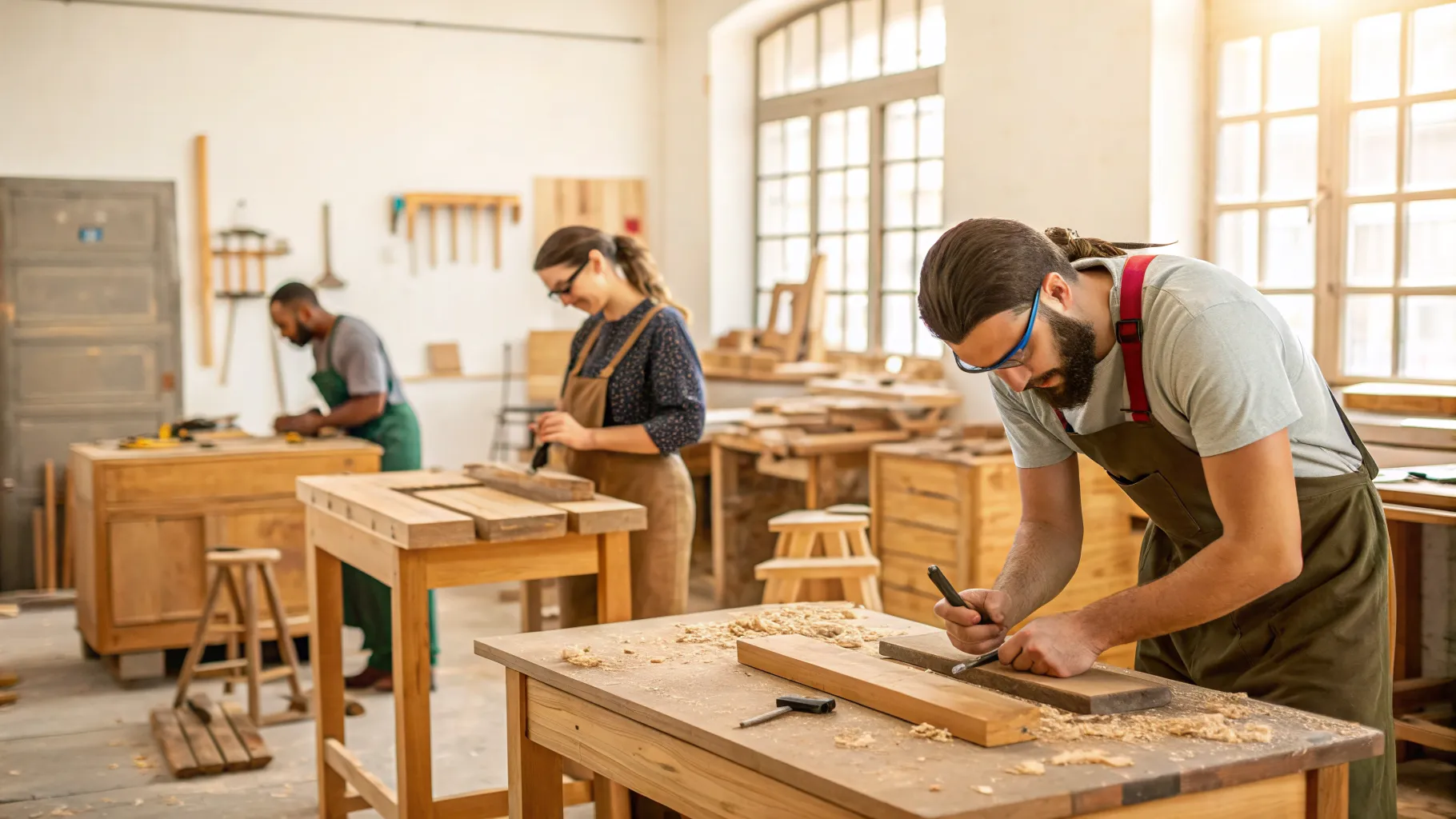
A typical restore furniture workshop is a hands-on, dusty, and highly rewarding environment. Participants should be prepared to wear appropriate protective gear, including dust masks, safety glasses, and heavy aprons. The physical nature of the work means you will likely spend several hours standing, sanding, scraping, and carefully applying finishes to your project piece.
Instructors usually provide a healthy mix of live demonstrations and independent work time. During the independent work periods, teachers circulate the room to offer personalized advice and correct any improper techniques. This direct, real-time feedback is one of the primary benefits of attending in-person classes rather than relying solely on online video tutorials.
The Tools and Materials Used in Class
Most reputable classes supply the heavy machinery and specialized tools required for proper restoration. Students can expect to learn how to operate random orbital sanders, heat guns, and various manual hand tools like chisels, mallets, and cabinet scrapers. Learning to handle these tools safely and efficiently is a major component of any introductory curriculum.
In terms of materials, workshops introduce participants to a wide array of professional grade products. This includes experimenting with different grits of sandpaper, specialized wood fillers, stripping agents, and finishing coats like polyurethane, lacquer, or natural oils. Getting hands-on experience with these materials helps students understand how different products interact with various wood species.
Turning a Hobby into a Lifelong Skill
Enrolling in furniture restoration classes often serves as a stepping stone into a deeply fulfilling hobby or even a brand new career path. The skills acquired allow individuals to rescue discarded items from landfills and transform them into beautiful, functional art. This sustainable approach to home decor is both economically advantageous and highly environmentally beneficial.
Beyond the practical skills, these courses foster a wonderful sense of community among like-minded enthusiasts. Participants frequently share tips, sourcing resources, and design inspiration long after the class has officially concluded. Whether your ultimate goal is to furnish your own home or start a small upcycling business, the solid foundation built in these workshops is truly invaluable.