A Guide to Baking Classes for Retirees: Exploring a Delicious New Hobby
Entering retirement opens up a wealth of time to pursue hobbies that bring joy and creativity into daily life. For many seniors, the kitchen becomes a welcoming classroom where flour, butter, and sugar transform into delicious creations.
The Benefits of Learning to Bake Later in Life
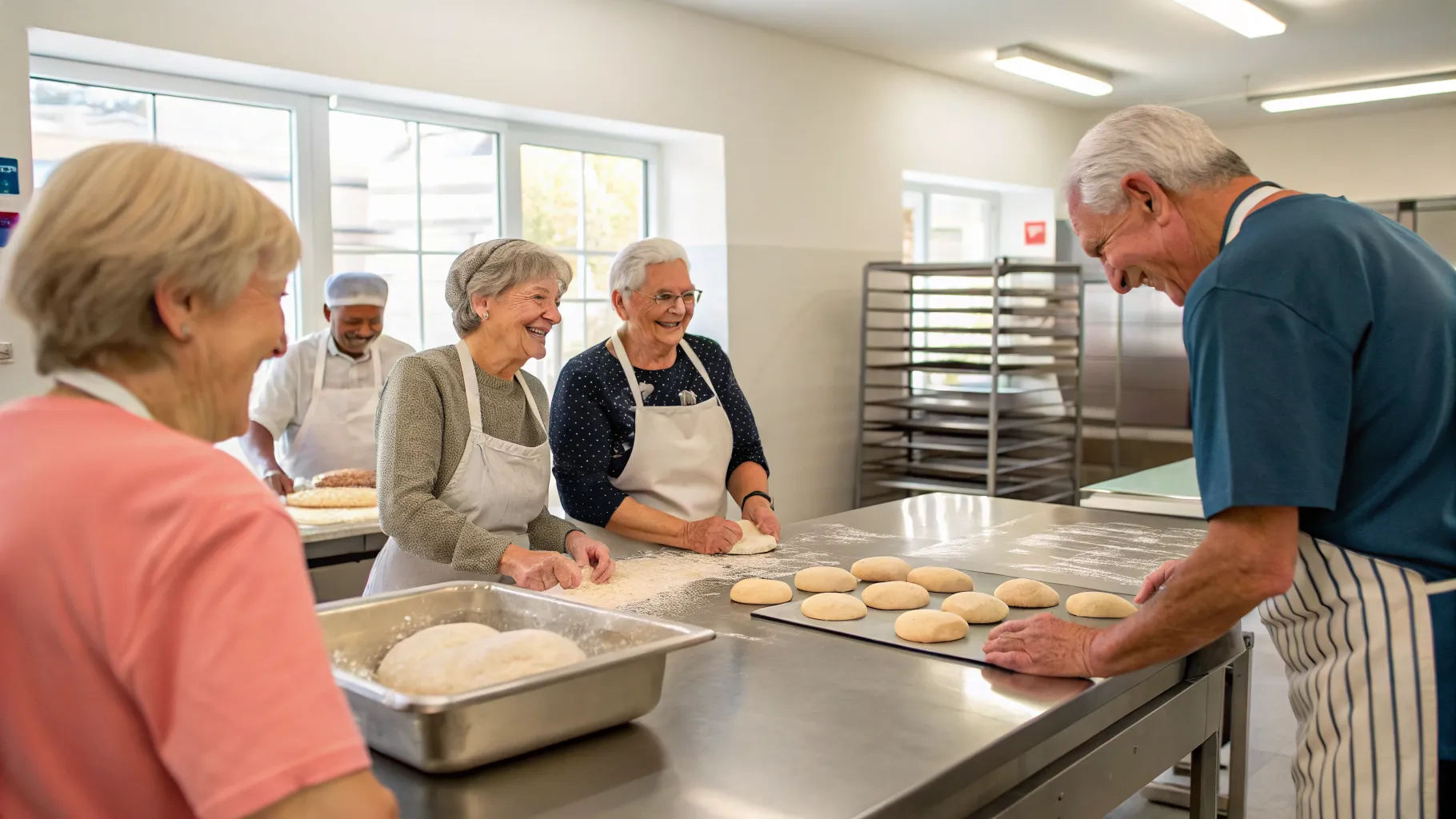
Taking baking classes for retirees offers a multitude of physical and cognitive advantages. Working with dough requires gentle hand movements that can help maintain joint flexibility and dexterity in older adults. Furthermore, following complex recipes and measuring ingredients keeps the mind sharp by engaging mathematical and sequential thinking skills.
Beyond the physical perks, learning to bake over 60 provides a wonderful sense of accomplishment. Sharing freshly baked goods with friends and family fosters social connections and brings immense personal satisfaction. It is a highly productive way to spend free time while creating tangible, edible results that everyone can enjoy.
Types of Baking Courses Available for Seniors
When researching how to start baking, seniors will find a wide variety of educational formats tailored to different learning preferences. Local culinary schools and community centers frequently host in-person sessions designed specifically for older adults. These environments offer hands-on guidance from experienced instructors in a fully equipped professional kitchen.
For those who prefer to learn from the comfort of their own homes, digital options are abundant. Online platforms offer baking courses for seniors through live video streams or pre-recorded modules. This format allows participants to pause, rewind, and practice at their own pace without the pressure of keeping up with a fast moving class.
What to Expect in a Beginner Baking Workshop
Stepping into beginner baking workshops can feel intimidating at first, but these classes are structured to be welcoming and highly accessible. Instructors typically start with a comprehensive overview of kitchen safety, basic ingredient science, and proper measuring techniques. Participants are usually provided with all necessary ingredients and tools, meaning there is no need to purchase expensive equipment beforehand.
The pace of a beginner class is deliberately slow and methodical. Teachers focus heavily on mastering foundational skills like creaming butter, folding batter, and proofing yeast before moving on to complex recipes. By the end of a session, students generally get to taste their creations and take home a small batch of treats along with detailed recipe cards.
Essential Equipment for Starting Your Baking Journey
While structured baking classes generally supply the necessary tools during class time, practicing at home requires a few kitchen staples. A reliable set of measuring cups and spoons is critical, as baking is a precise science that relies on accurate ratios. Additionally, investing in a good quality mixing bowl and a sturdy whisk will make the preparation process much smoother and more enjoyable.
Retirees might also want to look for ergonomic equipment designed to reduce strain on the hands and wrists. Lightweight baking sheets, silicone spatulas with comfortable grips, and electric stand mixers are excellent additions to a senior friendly kitchen. These specialized tools ensure that the baking experience remains physically comfortable and highly rewarding.
Finding the Right Baking Class for Your Needs
Selecting the ideal course involves evaluating personal goals alongside physical requirements. Prospective students should always inquire about the physical demands of the class, such as how long they will need to stand or whether comfortable seating is available during long demonstrations. Accessibility is a crucial factor to ensure the learning environment is both safe and accommodating.
To discover local opportunities, retirees can check the bulletin boards at community centers, local libraries, or senior social clubs. Many culinary institutes also list dedicated adult education schedules on their official websites. Reading reviews from past participants can provide valuable insight into the teaching style and overall atmosphere of the class before making a commitment.
Popular Baking Styles to Explore
Once the foundational basics are mastered, retirees can branch out into specialized areas of baking that capture their interest. Bread making is a highly popular choice due to the therapeutic nature of kneading dough and the incredible aroma of a freshly baked loaf. Artisanal sourdough and classic sandwich breads offer endless flavor variations to experiment with.
- Cake decorating and pastry arts for those who enjoy precise and artistic endeavors.
- Cookie and biscuit making, which is perfect for creating easily shareable treats for loved ones.
- Gluten-free or low-sugar baking, catering to specific dietary needs and health conscious lifestyles.
Exploring these distinct styles keeps the hobby fresh, exciting, and intellectually stimulating. Whether the goal is to master the perfect flaky pie crust or to bake healthy muffins for breakfast, there is always a new technique to learn and perfect in the vast world of baking.