A Homeowner's Guide to Composite Decking Material Prices
Composite decking offers a durable, low-maintenance alternative to traditional wood, but understanding the costs involved is crucial for planning your project. The final price tag is a combination of material costs, installation labor, and several other factors. Getting a clear picture of these expenses can help you make an informed decision for your home.
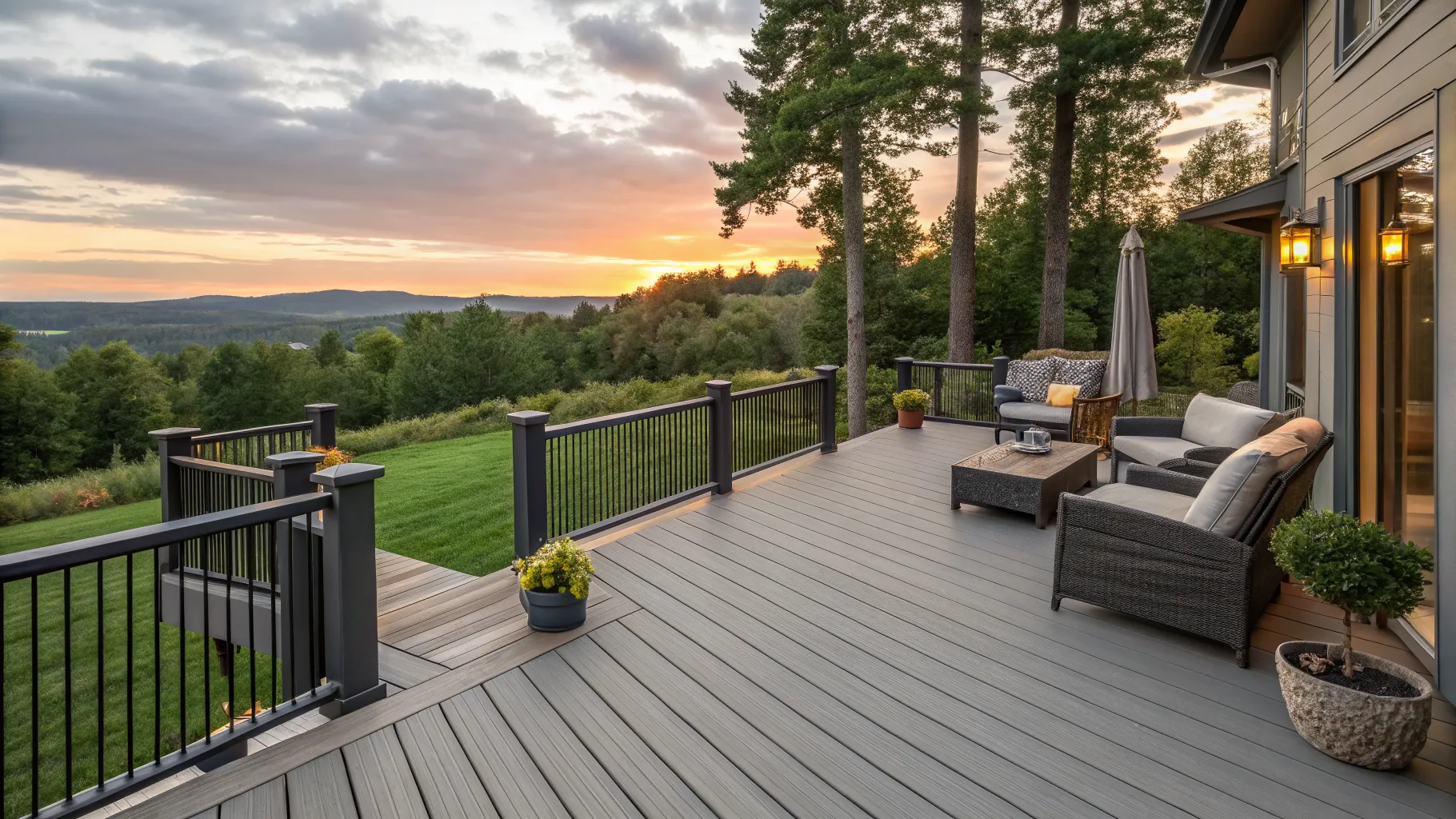
What is Composite Decking?
Composite decking is a man-made building product made from a mix of recycled wood fibers and plastic materials. These ingredients are combined with bonding agents and heated to form boards, which are then cooled. The result is a dense, heavy, and weather-resistant board that won't splinter, rot, or warp like traditional wood decking.
The primary appeal of composite materials is their longevity and minimal maintenance requirements. Unlike wood decks that need regular staining, sealing, or painting to protect them from the elements, composite decking only requires occasional cleaning with soap and water. This resilience makes it a popular choice for homeowners looking for a long-term decking solution.
Factors Influencing Material Costs
The price of composite decking boards can vary significantly based on several key factors. Not all composite products are created equal, and understanding the differences can help you select the right option for your budget and needs. Higher-end products often feature more realistic wood grain patterns and richer colors, along with superior warranties.
Key variables that affect the price per square foot include:
- Brand and Quality: Established brands often offer multiple tiers of products, from basic entry-level boards to premium lines with enhanced durability and aesthetics.
- Capped vs. Uncapped: Most modern composite boards are 'capped,' meaning they have a protective outer shell that provides enhanced resistance to staining and fading. Uncapped composites are less common now and are a more basic, less expensive option.
- Color and Finish: Standard colors like grey and brown are usually the most affordable. Premium or variegated colors that mimic exotic hardwoods typically come at a higher price point.
- Board Profile: Boards come with either grooved edges for hidden fastener systems or solid edges for traditional face-screwing. The price difference is usually minimal, but the fastening system you choose will also impact the total cost.
Breaking Down Installation Costs
The cost of labor is a significant portion of the overall budget for a new composite deck. Installation is more complex than simply laying down boards; it involves creating a safe and stable structure that will last for decades. Professional installation is often recommended to ensure the deck is built to code and the manufacturer's warranty remains valid.
Labor costs are typically calculated on a per-square-foot basis and can fluctuate based on your geographic location, the installer's experience, and the complexity of your deck design. A simple, rectangular ground-level deck will cost less to install than a multi-level deck with intricate patterns, curves, or unique features.
Site Preparation and Framing Requirements
Before any decking can be laid, the site must be properly prepared. This can involve removing an old deck, grading the ground for proper drainage, and pouring concrete footings to support the deck's structure. These preparatory steps are essential for the stability and longevity of the deck and are a necessary part of the installation cost.
The substructure, or frame, is the foundation of your deck. While composite boards are incredibly durable, they require a robust frame to support them. This frame is almost always built with pressure-treated lumber. If you are replacing an old wood deck, your contractor will need to assess whether the existing frame is up to code and in good enough condition to be reused. In many cases, a new frame is required, which adds to the material and labor costs.
Additional Features and Their Price Impact
The basic cost of decking and installation can be augmented by a variety of add-ons and finishing touches. These features enhance the functionality and appearance of your deck but will also increase the final price. It is important to factor these elements into your initial budget planning.
Common additional costs include:
- Railing Systems: Railings are often required for safety on elevated decks. Options range from simple pressure-treated wood to more expensive composite, aluminum, vinyl, or cable railing systems.
- Stairs: The number of steps and the width of the staircase will impact both material and labor costs.
- Lighting: Integrated lighting, such as post cap lights or stair riser lights, adds ambiance and safety but also increases the project cost.
- Fascia and Skirting: Fascia boards are used to finish the rim joists of the deck for a clean look, while skirting can be used to enclose the underside of an elevated deck.
- Permits: Most municipalities require a building permit for deck construction, which comes with a fee.
Comparing Composite to Other Decking Materials
When budgeting for a deck, it's helpful to compare the upfront cost of composite with other popular materials. Generally, composite decking has a higher initial material cost than pressure-treated lumber but is often more affordable than premium hardwoods like Ipe or high-end PVC decking. Pressure-treated pine is the most budget-friendly option upfront.
However, the long-term value is an important consideration. Wood decks require annual maintenance, including cleaning, sanding, and staining, which costs time and money over the life of the deck. The minimal upkeep of composite decking can offset its higher initial price over time, making the total cost of ownership more competitive in the long run.