A Comprehensive Guide to Inground Swimming Pool Costs
Installing an inground swimming pool is a significant home improvement project with a wide range of associated costs. Understanding the factors that contribute to the final price tag is the first step in planning your budget. From the type of pool material to the complexities of installation and long-term upkeep, many variables come into play.
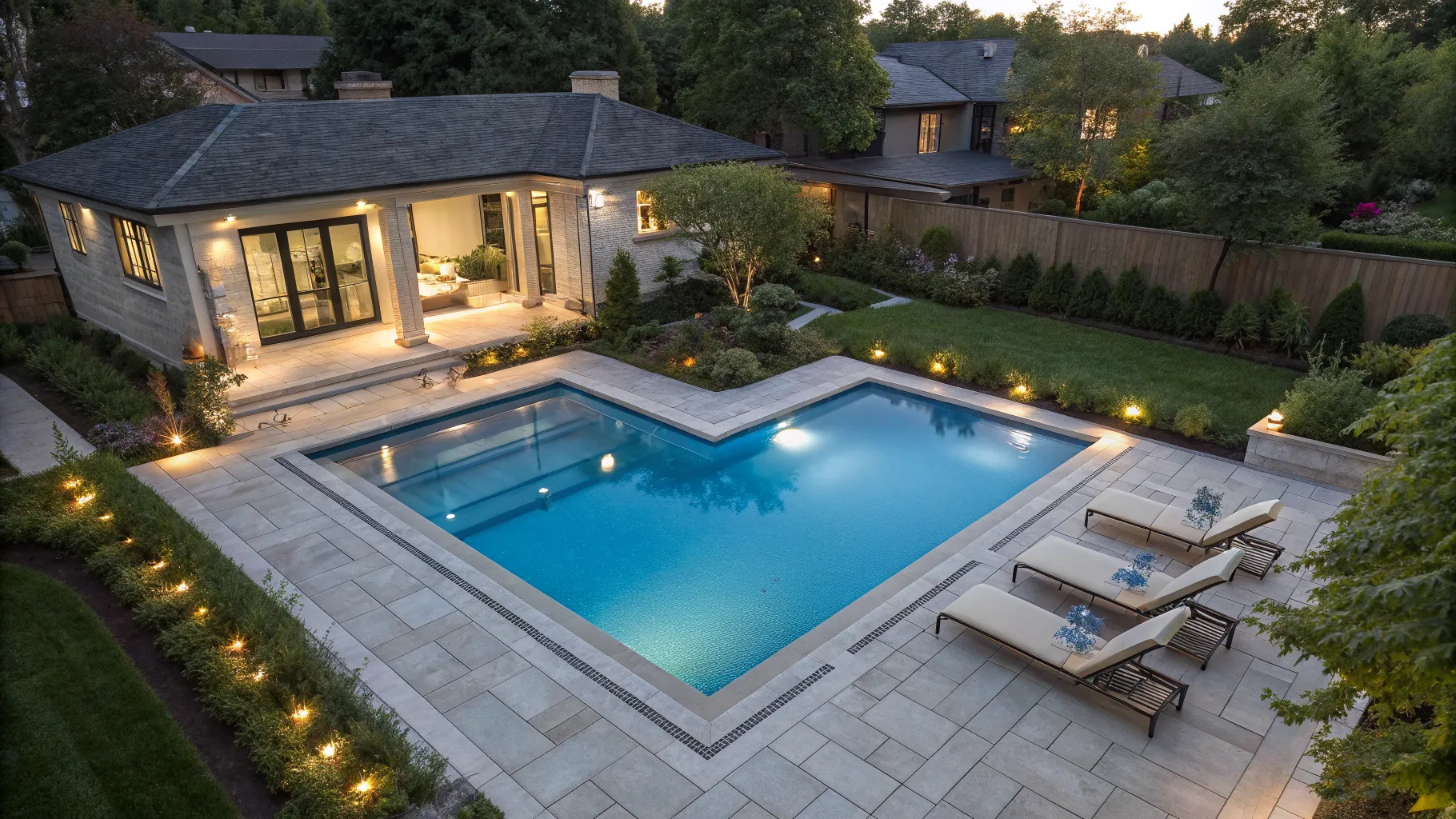
Understanding the Main Types of Inground Pools
The material used to construct your pool is one of the biggest factors determining the initial cost. The three primary types of inground pools each have their own price points, installation processes, and long-term maintenance needs. Your choice will depend on your budget, aesthetic preferences, and how much maintenance you are willing to undertake.
Concrete pools, also known as gunite or shotcrete pools, are the most customizable but also the most expensive. They can be built in any shape or size. Fiberglass pools are pre-molded shells that are installed in one piece, which makes installation faster but limits design options. Vinyl liner pools are typically the most affordable option, consisting of a vinyl membrane fitted over a steel or polymer frame.
Breaking Down Installation and Labor Costs
The installation process is complex and labor-intensive, representing a significant portion of the overall cost. This phase includes several critical steps, such as excavation, grading the site, setting up plumbing and electrical systems, and installing the pool structure itself. The cost of labor can fluctuate significantly based on your geographic location, the accessibility of your backyard, and the experience of the installation crew.
Beyond the basic installation, site preparation can add to the expense. If your yard has a steep slope, is rocky, or has poor soil conditions, additional work will be required to prepare the site, increasing both labor and material costs. It is always wise to get multiple quotes from reputable local installers to compare prices and understand what is included in their estimates.
How Size, Shape, and Depth Affect the Price
It's a simple rule: the larger and deeper the pool, the more it will cost. A bigger pool requires more excavation, more materials for construction, and more water to fill. These factors directly translate to a higher price tag for both the initial build and ongoing maintenance, such as chemical usage and heating.
The shape of the pool also plays a role. Standard shapes like rectangles or ovals are generally more cost-effective than custom, freeform designs. Complex curves and unique shapes require more intricate framework and labor, especially for concrete and vinyl liner pools, which drives up the installation cost.
Optional Features and Add-Ons
While a basic pool is a joy in itself, many homeowners choose to add features that enhance the experience and aesthetics. These upgrades can substantially increase the total cost of the project. It's important to decide which features are must-haves and which are nice-to-haves to keep your budget in check.
Common enhancements can transform a simple pool into a luxurious backyard retreat. Consider the costs associated with the following popular add-ons:
- Water heaters to extend the swimming season
- Automated pool covers for safety and heat retention
- Integrated spas or hot tubs
- Water features like waterfalls or fountains
- Advanced lighting systems, such as color-changing LEDs
- Diving boards or slides
- Saltwater chlorination systems
The Hidden Costs: Fencing, Landscaping, and Permits
The price quoted by a pool installer often doesn't cover all the associated expenses. One of the most significant additional costs is safety fencing. Most municipalities have strict regulations requiring a fence of a certain height with a self-latching gate to surround the pool area. This is a crucial safety measure that needs to be factored into your budget from the start.
Furthermore, the area around the pool, known as the poolscape, requires attention. This includes decking or a patio, which can be made from materials like concrete, pavers, or wood. You will also need to consider landscaping to integrate the pool into your backyard beautifully. Finally, don't forget the cost of building permits, which are required for a project of this scale.
Long-Term Ownership and Maintenance Expenses
The financial commitment to a pool doesn't end once the installation is complete. Owning a pool involves regular maintenance and ongoing expenses that are essential for keeping it clean, safe, and functional. These long-term costs vary depending on the type of pool, your climate, and how often you use it.
Annual maintenance costs can include everything from chemicals and electricity to potential repairs. Homeowners should budget for regular expenses such as water testing kits, chlorine or other sanitizers, and electricity to run the pump and filter. You should also plan for periodic larger expenses, like replacing a vinyl liner every 5-10 years or resurfacing a concrete pool every 10-15 years.