A Comprehensive Guide to Walk-In Tub Installation Costs
Installing a walk-in tub can be a significant home improvement project, enhancing bathroom safety and accessibility. However, determining the final cost can be complex, as it encompasses the price of the tub, professional installation, and sometimes, necessary adjustments to your bathroom's existing structure, plumbing, and electrical systems. Understanding these components is key to creating a realistic budget and making an informed decision.
What Factors Influence the Total Cost?
The final price tag for a walk-in tub installation is a combination of several key elements. The primary factor is the tub itself. Tubs vary widely in price based on their size, the material they are made from (such as acrylic or fiberglass), and the brand. A basic soaker tub without any special features will be at the lower end of the price spectrum, while larger tubs or those from premium brands will naturally cost more.
Beyond the basic model, a wide array of therapeutic and luxury features can significantly increase the cost. These optional upgrades are designed to enhance comfort and provide health benefits. Common additions include hydrotherapy (water jets), aerotherapy (air jets), chromotherapy (colored lights), and aromatherapy. Other popular features are heated backrests and seats, which can make the bathing experience more comfortable, especially during the tub's fill and drain times.
Breaking Down the Installation Labor Costs
The installation of a walk-in tub is not a simple DIY project and requires skilled professionals. The labor costs reflect the complexity of the job, which typically involves plumbing, electrical work, and carpentry. A professional installer must ensure the tub is perfectly level, properly sealed to prevent leaks, and connected correctly to your home's water supply and drainage systems. If the tub has electrical features like jets or heated seats, a licensed electrician will be needed to wire it safely according to local building codes.
Labor costs can fluctuate based on your geographic location, the experience of the contractor, and the specifics of your bathroom. A straightforward replacement of an existing tub of the same size might take less time and cost less than a more complex installation that requires re-routing pipes or running new electrical lines. It is always wise to hire licensed and insured professionals to protect your investment and ensure the job is done safely and correctly.
Potential Home Modifications and Added Expenses
In many cases, installing a walk-in tub requires modifications to the bathroom itself, which can add to the overall cost. For instance, if the existing doorway is too narrow to get the tub into the bathroom, it will need to be widened. The floor joists may also need to be reinforced to support the significant weight of the tub, especially when filled with water and occupied.
Beyond structural changes, there are several other potential expenses to consider. These can include:
- The removal and disposal of your old bathtub or shower stall.
- Upgrading your home's water heater to a larger capacity model to ensure enough hot water to fill the tub.
- Installing new wall surrounds, such as tile or waterproof panels, around the new tub.
- Updating plumbing fixtures like faucets and drain assemblies.
- Securing any necessary permits from your local municipality before work begins.
Understanding Different Types of Walk-In Tubs
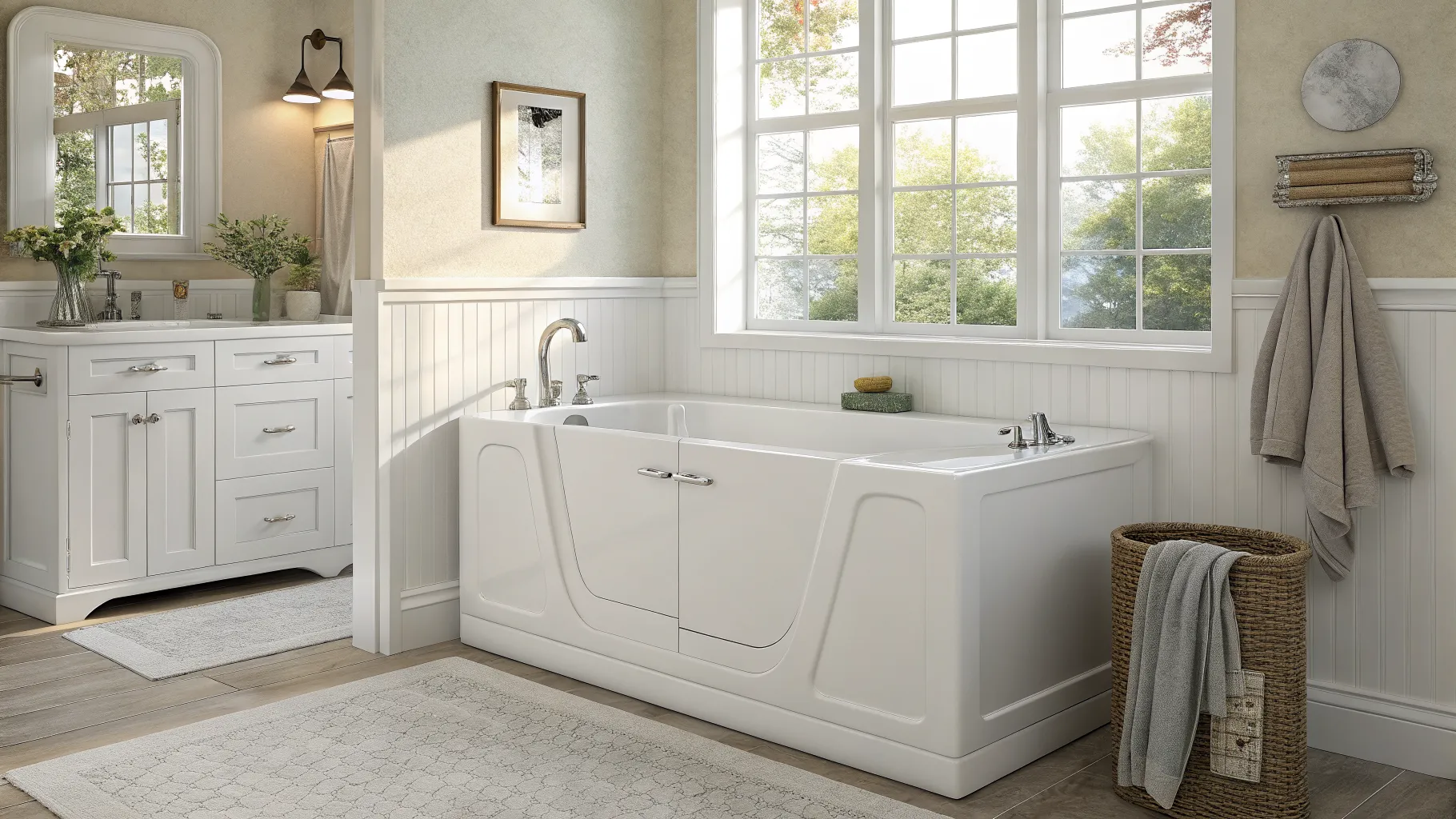
Walk-in tubs come in various styles, and the type you choose will be a major determinant of the cost. The most basic and generally most affordable option is a soaker tub. This is a simple tub with an inward or outward swinging door, a built-in seat, and grab bars for safety, but it lacks any therapeutic jets.
For those seeking a more spa-like experience, tubs with hydrotherapy or aerotherapy systems are popular choices. Hydrotherapy tubs use water jets to provide a deep tissue massage, while aerotherapy tubs use air jets to create a gentler, bubbling sensation. Combination tubs that offer both types of jets are also available, providing the most versatility but typically at a higher price point. Each of these systems requires additional motors, pumps, and plumbing, which contributes to their higher cost.
How to Get an Accurate Estimate
To avoid surprises, the best approach is to get detailed, written estimates from several qualified installers. Most reputable companies offer a free in-home consultation to assess your bathroom's layout, plumbing, and electrical setup. This allows them to identify any potential challenges and provide a much more accurate quote than one given over the phone. An on-site evaluation ensures that all potential costs, including any necessary modifications, are accounted for upfront.
When comparing estimates, make sure each one is comprehensive and itemized. It should clearly list the cost of the tub, all materials, labor, demolition, disposal, and any required modifications. Ask contractors if they are licensed and insured, and inquire about the warranties they offer on both the product and their workmanship. A transparent and detailed quote is a sign of a professional and trustworthy installer.
Financial Assistance and Rebate Options
The cost of a walk-in tub can be a barrier for some households, but there may be programs available to help offset the expense. For individuals with specific medical needs, a portion of the cost might be deductible as a medical expense on your taxes, but it's essential to consult with a tax professional to understand the requirements. Additionally, some government programs, such as those offered by the Department of Veterans Affairs, may provide grants for home modifications for qualifying veterans.
It's also worth researching non-profit organizations and local or state agencies that offer assistance for seniors or individuals with disabilities to make their homes safer and more accessible. Some manufacturers may also offer their own financing plans or seasonal rebates. When considering financing, always review the interest rates and terms carefully to ensure it's a financially sound decision for your situation.