A Guide to Complete Roof Replacement Options and Costs
When it comes to home maintenance, a complete roof replacement is one of the largest and most important projects you can undertake. It protects your home from the elements, contributes to its energy efficiency, and plays a major role in its overall curb appeal. Understanding the various options and the factors that determine the final cost can help you make an informed decision for your property.
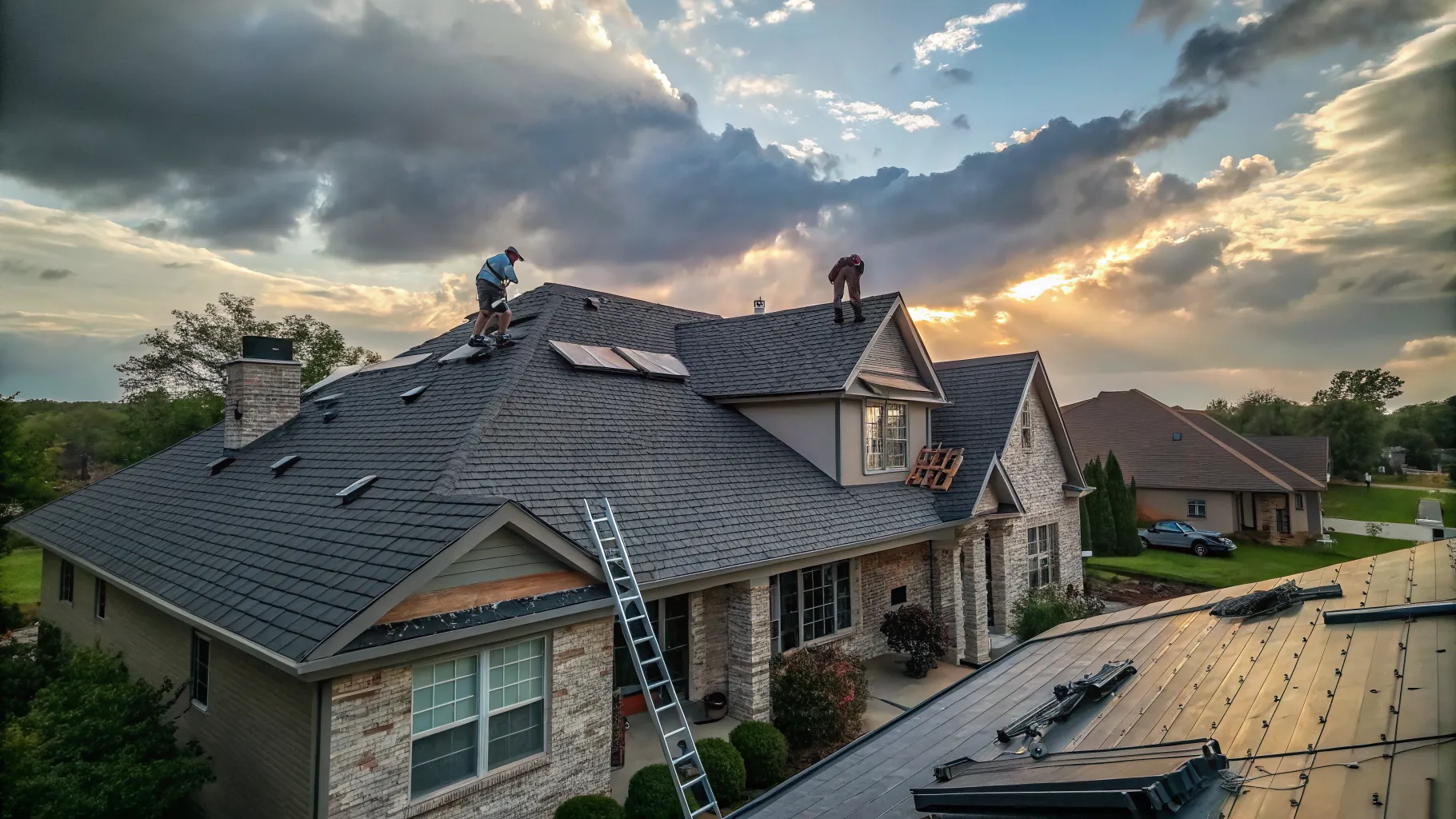
Understanding a Complete Roof Replacement
A complete roof replacement, often called a 'tear-off,' is the most comprehensive approach to installing a new roof. This process involves stripping away all existing roofing materials, including the old shingles, underlayment, and flashing, right down to the roof deck. The decking is then inspected for any signs of rot or damage, and necessary repairs are made before any new materials are installed.
This method differs from a 're-roof' or an overlay, where new shingles are simply installed over the existing layer. While an overlay can be less expensive initially, a complete tear-off is generally the recommended option. It allows the contractor to address any hidden structural issues with the roof deck, ensures a flat and stable surface for the new materials, and is often required by building codes if two or more layers of roofing already exist.
Key Factors That Influence Replacement Costs
The total cost of a complete roof replacement can vary significantly based on several interconnected factors. Understanding these variables will help you interpret estimates and budget accordingly. The primary drivers of cost include the roof's size, the complexity of its design, the materials chosen, and local labor rates.
Here are the main components that contribute to the final price:
- Roof Size and Pitch: A larger, steeper roof requires more materials and more intensive labor, including additional safety precautions, which increases the cost.
- Material Choice: The type of shingle or roofing material is one of the biggest cost factors. Asphalt shingles are typically the most budget-friendly, while materials like metal, slate, or tile are at the higher end of the price spectrum.
- Labor and Installation: Labor costs are influenced by your geographic location and the experience level of the roofing crew. Complex roof designs with many valleys, dormers, or skylights will also increase labor time and expense.
- Decking and Underlayment: If the roofer discovers rotted or damaged roof decking during the tear-off, replacing it will be an additional cost, usually calculated per sheet of plywood or OSB.
- Permits and Disposal: Most municipalities require a permit for a roof replacement. The cost also includes the disposal of the old roofing materials.
Popular Roofing Materials and Their Characteristics
The material you choose for your roof replacement will have the greatest impact on both the initial cost and the long-term performance and appearance of your home. Each option comes with its own set of benefits regarding durability, aesthetics, and price.
Asphalt shingles are the most common choice in North America due to their affordability and ease of installation. They come in two main types: traditional 3-tab shingles, which are more economical, and architectural or dimensional shingles, which are thicker, last longer, and offer a more textured look. Metal roofing, made from steel, aluminum, or copper, has a higher upfront cost but offers exceptional durability, longevity, and energy efficiency. Other options include wood shakes for a natural aesthetic, and high-end materials like slate and clay tile, which can last for a century or more but come with a very high price tag and require specialized installation.
The Importance of Underlayment and Ventilation
While the shingles are the most visible part of your roof, what lies beneath them is just as critical for protecting your home. A quality installation includes proper underlayment and adequate ventilation, both of which are essential for the longevity of your new roof. The underlayment is a water-resistant barrier installed directly on the roof deck, serving as a secondary line of defense against moisture.
Proper attic ventilation is also crucial. A system of intake and exhaust vents helps regulate the temperature and moisture levels in your attic. This prevents the buildup of heat in the summer, which can damage shingles from below, and reduces moisture in the winter, which can lead to mold, mildew, and rot. A contractor should evaluate your existing ventilation and recommend any necessary improvements as part of the replacement project.
How to Find and Vet a Qualified Roofing Contractor
Selecting the right contractor is as important as choosing the right materials. A poor installation can lead to leaks and premature failure, voiding material warranties and resulting in costly repairs down the road. It's wise to get estimates from at least three different reputable, local roofing companies to compare their proposed solutions and pricing.
When evaluating potential contractors, look for established professionals who are fully licensed and insured, including both liability insurance and workers' compensation. Ask for references from recent jobs in your area and check online reviews. A trustworthy contractor will provide a detailed, written estimate that clearly itemizes the scope of work, materials to be used, labor costs, and the plan for debris removal. Be wary of anyone who provides a vague quote or uses high-pressure sales tactics.
Comparing Estimates and Avoiding Common Pitfalls
Once you have several estimates in hand, it's time to compare them carefully. The lowest bid is not always the best choice. A significantly lower price could indicate the use of subpar materials, an inexperienced crew, or a lack of proper insurance. Make sure each estimate is for the same scope of work and quality of materials so you can make a true apples-to-apples comparison.
Pay close attention to the warranty details. There are typically two types of warranties: one from the material manufacturer that covers defects in the product, and another from the contractor that covers workmanship. Ensure you understand the terms and duration of both. Avoid contractors who ask for the full payment upfront; a typical payment schedule involves a deposit to cover materials, with the final balance due upon satisfactory completion of the job.