A Guide to Concrete Patio Installation Prices
A concrete patio is a durable and versatile addition to any home, providing a solid foundation for outdoor living spaces. While concrete is often considered an affordable paving material, the final installation price can vary widely based on numerous factors. Before embarking on your project, it's helpful to understand what goes into the cost calculation, from the basic materials to the intricate details of a custom design.
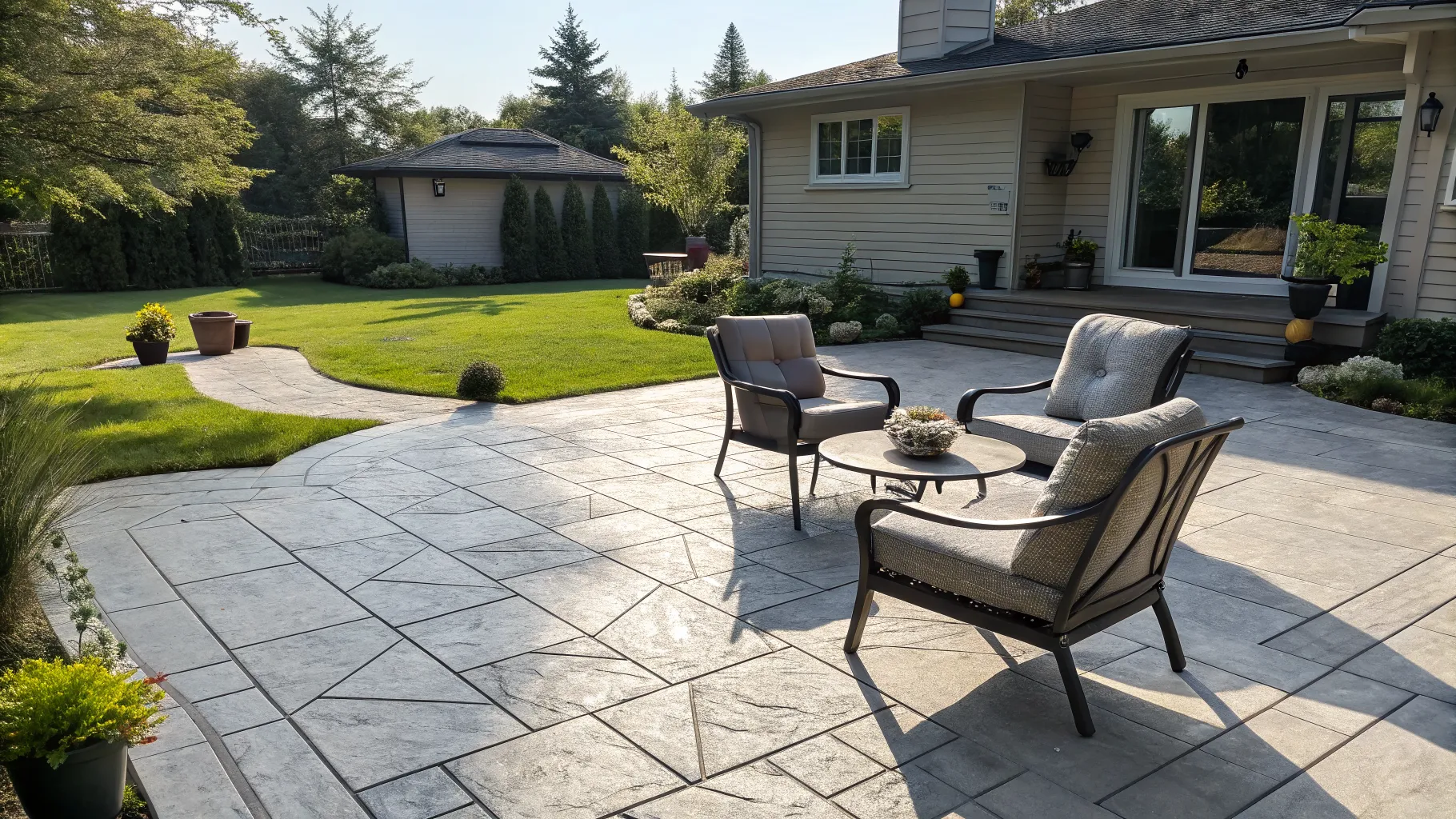
Understanding the Average Cost Per Square Foot
The most common way to estimate the cost of a concrete patio is on a per-square-foot basis. This price typically bundles the cost of materials, labor, and basic finishing. However, this figure is just a starting point. A simple, rectangular slab with a standard broom finish will be at the lower end of the cost spectrum, while a custom-shaped patio with decorative finishes will be at the higher end.
National averages can provide a general idea, but local market conditions heavily influence the final price. Material costs, regional labor rates, and even the local climate can affect what contractors charge. It's always best to view average prices as a preliminary guideline before seeking detailed quotes for your specific project and location.
Major Factors That Influence Pricing
Several key variables will impact the total cost of your concrete patio installation. The size is the most obvious factor; a larger patio requires more materials and labor, thus increasing the price. The thickness of the concrete slab also plays a role. A standard 4-inch slab is typical for a patio, but if you plan to place heavy items like a hot tub or a large outdoor kitchen on it, a thicker, reinforced slab may be necessary at a higher cost.
Site preparation is another significant cost component. A perfectly flat, clear, and accessible yard will require less prep work. However, if your intended patio area is sloped, needs to be excavated, has poor drainage, or requires the removal of trees, rocks, or an old patio, you can expect the cost to increase to cover the additional labor and equipment needed to prepare the site properly.
The Impact of Finishes and Decorative Options
The finish you choose for your concrete patio can dramatically alter both its appearance and its price tag. A standard broom finish, which provides a non-slip texture, is the most basic and cost-effective option. If you're looking for a more customized look, there are several decorative choices available, each with its own associated cost.
Some popular decorative options include:
- Stamped Concrete: This involves pressing molds into the wet concrete to mimic the look of stone, brick, slate, or wood. It is one of the more expensive options due to the specialized tools and labor involved.
- Colored Concrete: Pigments can be mixed into the concrete or applied to the surface to add color. This adds a moderate amount to the overall cost.
- Exposed Aggregate: This finish reveals the small stones and pebbles in the concrete mix for a textured, durable surface.
- Stained Concrete: Acid or water-based stains can be applied to cured concrete to create rich, translucent tones.
Labor Costs: What Are You Paying For?
Labor often accounts for a significant portion of the total installation cost, and for good reason. Installing a concrete patio correctly is a multi-step process that requires skill and experience. Labor costs cover the entire process, from initial site excavation and building the wooden forms to pouring the concrete, smoothing it, applying the finish, and final cleanup.
While it might be tempting to find the cheapest labor, poor installation can lead to costly problems down the road, such as cracking, spalling, or improper drainage. Experienced professionals understand how to properly prepare the base, use the right concrete mix for the local climate, and finish the surface for long-term durability. Investing in qualified labor helps ensure your patio will last for decades.
How to Compare Quotes from Contractors
When planning your project, it's wise to obtain at least three detailed quotes from reputable local contractors. A low-ball offer might seem appealing, but it could indicate subpar materials or inexperienced labor. A proper quote should be itemized, clearly outlining the costs for materials, labor, site preparation, finishing, and any other specific project requirements.
When comparing quotes, ensure you are comparing equivalent services. Does each quote include reinforcement like rebar or wire mesh? Do they all specify the same concrete thickness and finish? Also, be sure to ask about the contractor's licensing, insurance, and warranty. Checking references and looking at a portfolio of their previous work can also give you confidence in your choice.
Potential Additional and Hidden Expenses
Beyond the primary cost of the patio itself, there may be other expenses to consider. One common additional cost is the demolition and removal of an existing structure, such as an old deck or cracked concrete slab. Depending on your location, you may also need to budget for a building permit, which is often required for outdoor construction projects.
Other potential costs can include the need for enhanced drainage solutions, especially if your yard has issues with water runoff. Sealing the concrete, which protects it from stains and weather damage, might be included in the quote or offered as an optional add-on service. Always clarify these details with your contractor upfront to avoid any surprises on the final bill.