A Guide to Understanding Heat Pump Installation Prices
Switching to a heat pump is an increasingly popular choice for homeowners seeking efficient heating and cooling in a single system. However, the first question for many is about the cost of installation. The price can vary significantly based on numerous factors, and understanding them is key to budgeting for this home improvement project.
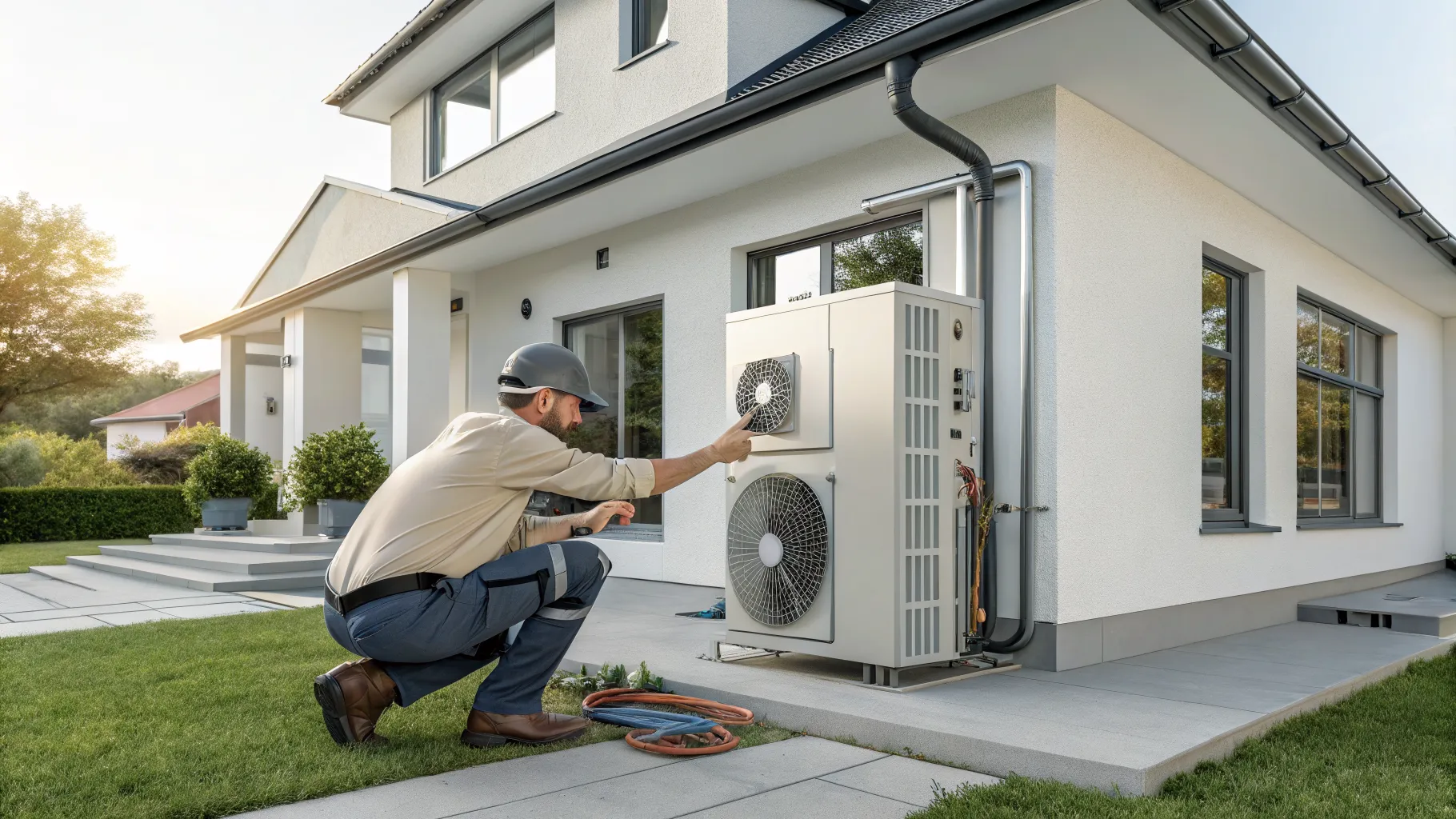
Key Factors That Influence Installation Costs
The total price of a heat pump installation is not just the cost of the unit itself. Several key variables come into play, making each project's cost unique. The most significant factor is the size and capacity of the heat pump, which is measured in British Thermal Units (BTUs). The right size depends on your home's square footage, ceiling height, insulation quality, and local climate. A unit that is too small will struggle to heat or cool your home effectively, while one that is too large will cycle on and off too frequently, leading to inefficiency and increased wear.
Another major determinant of cost is the type of heat pump system you choose. The most common are air-source heat pumps, but geothermal and ductless mini-split systems are also options. The complexity of the installation, labor rates in your area, and the brand and efficiency rating (SEER and HSPF) of the unit will all have a substantial impact on the final bill. Higher efficiency models typically cost more upfront but can provide greater energy savings over time.
Breaking Down the Components of the Total Price
When you receive a quote from an installer, it will generally be composed of several distinct costs. Understanding these components can help you compare different offers more effectively. The hardware, meaning the heat pump unit itself (both indoor and outdoor components), usually accounts for the largest portion of the total price, often making up 40% to 60% of the final cost.
Beyond the unit, you must account for several other elements. These include:
- Labor: This covers the time and expertise of the certified technicians performing the installation. Labor costs can vary widely depending on your geographic location and the complexity of the job.
- Ductwork: If your home does not have existing ductwork, or if your current ducts need significant modification or repair to accommodate the new system, this can add a substantial amount to the project cost.
- Electrical Work: Heat pumps require a dedicated circuit. If your home's electrical panel needs to be upgraded to handle the load, you will need to hire an electrician, which is an additional expense.
- Additional Materials: This category includes items like refrigerant lines, concrete pads for the outdoor unit, thermostats, and other necessary components.
- Permits: Most municipalities require permits for HVAC work, and the cost of these permits will be included in your total.
Different Types of Heat Pumps and Their Price Points
The type of heat pump you select is a primary driver of the overall installation cost. Air-source heat pumps are the most common and are generally the most affordable option. These systems transfer heat between your house and the outside air. They come in two main configurations: ducted systems, which use a central network of ducts to distribute air, and ductless mini-splits, which use individual indoor units for different zones or rooms and are great for homes without existing ductwork.
Geothermal heat pumps, also known as ground-source heat pumps, are a more significant investment. These systems use the stable temperature of the earth to transfer heat, making them extremely efficient. While the upfront cost is much higher due to the need for extensive excavation or drilling to install underground loops, they offer the lowest operating costs and have a very long lifespan. The higher initial price can often be offset by long-term energy savings and available tax credits.
How Your Home's Characteristics Affect the Price
The specific features of your home play a crucial role in determining the final installation cost. A home with existing, well-maintained ductwork that is properly sized for a new heat pump will have a much lower installation cost than a home that requires a full ductwork installation. The condition and capacity of your electrical system are also important, as upgrades can add a few thousand dollars to the project.
Furthermore, your home's overall energy efficiency influences the size of the heat pump you'll need. A well-insulated home with modern, energy-efficient windows will retain conditioned air better, allowing you to install a smaller and less expensive unit. Conversely, an older, drafty home may require a larger, more powerful system to achieve the same level of comfort, increasing the initial cost.
Potential Rebates and Long-Term Savings
While the upfront cost can seem high, it is important to research available financial incentives that can reduce the net price. Many federal, state, and local governments, as well as utility companies, offer rebates and tax credits for installing high-efficiency heat pumps. These programs are designed to encourage homeowners to adopt more energy-efficient technology. Be sure to check for programs in your specific area, as they can significantly lower your out-of-pocket expense.
Beyond the initial incentives, the primary financial benefit of a heat pump is long-term energy savings. Because heat pumps move heat rather than generating it, they can be far more efficient than traditional furnaces and air conditioners. This efficiency translates directly into lower monthly utility bills. Over the lifespan of the system, these savings can often offset the initial installation cost, making it a sound financial investment for many homeowners.
Finding and Choosing a Qualified Installer
The quality of the installation is just as important as the quality of the heat pump unit itself. A poor installation can lead to reduced efficiency, frequent breakdowns, and a shorter lifespan for the system. Therefore, it is critical to find a reputable and experienced HVAC contractor. Start by seeking recommendations from friends or neighbors and checking online reviews.
When vetting potential installers, always get at least three detailed, written quotes. Ensure the contractor is licensed, bonded, and insured in your state. Ask about their experience with the specific type of heat pump you are considering and inquire about any certifications their technicians hold, such as NATE (North American Technician Excellence). Choosing the cheapest quote is not always the best path; prioritize expertise and quality to ensure your new system performs optimally for years to come.