A Comprehensive Guide to Walk-In Tub Installation Costs
Installing a walk-in tub is a significant home improvement project that can greatly enhance bathroom safety and accessibility. While the benefits are clear, the total cost can be complex and varies widely based on several factors. Understanding the complete financial picture, including the tub, installation labor, and any necessary home modifications, is essential for planning and budgeting effectively for this important upgrade.
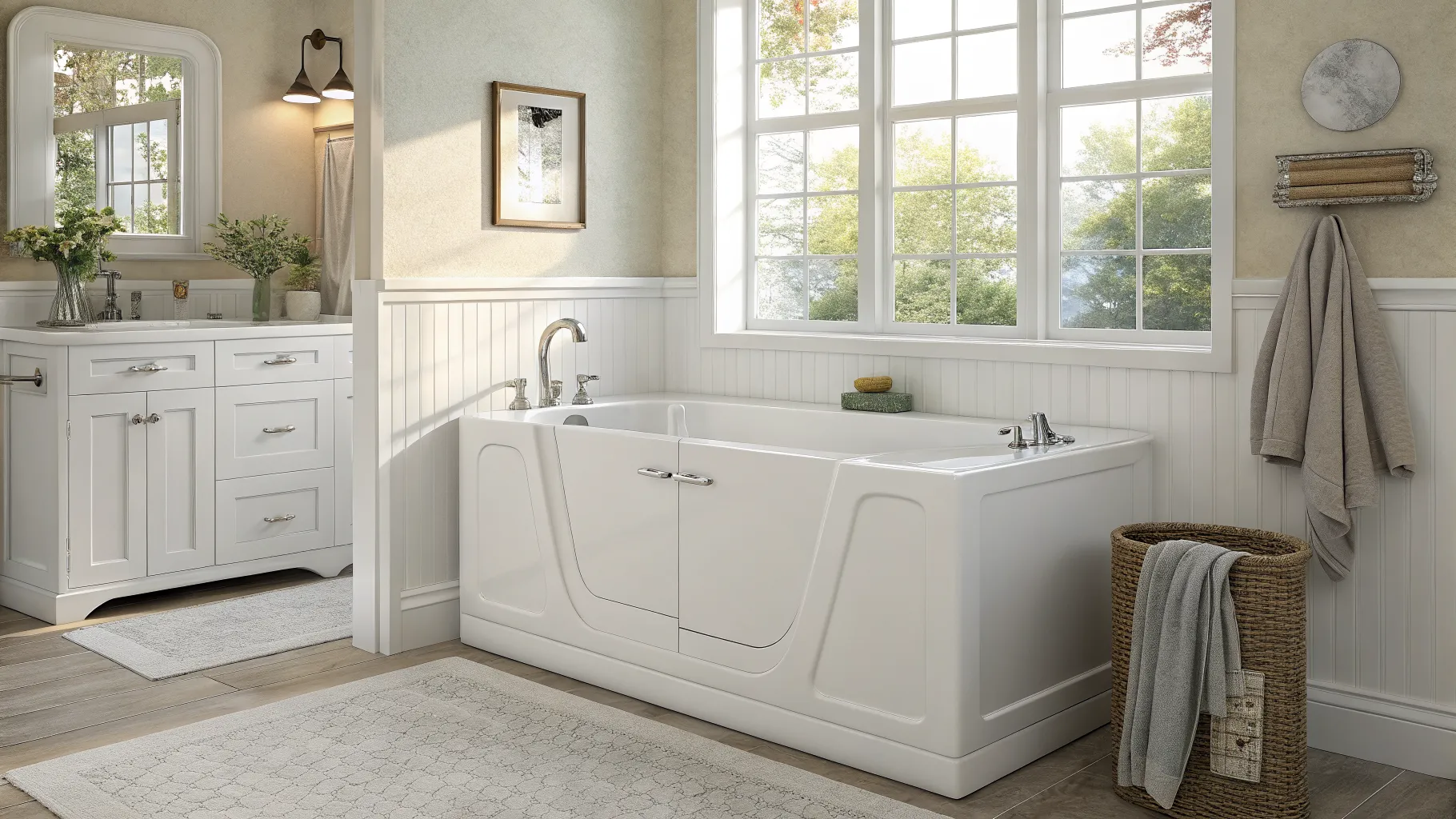
Breaking Down the Total Cost of a Walk-In Tub
The final price you pay for a walk-in tub installation is a sum of several distinct parts. The most obvious expense is the tub unit itself, but this is often just the starting point. The second major component is the cost of professional labor, which includes removing your existing tub or shower, making any necessary plumbing and electrical adjustments, and correctly installing the new unit.
Beyond these primary costs, you must also budget for potential additional expenses. These can include structural modifications to your bathroom, upgrades to your home's plumbing or electrical systems, and finishing work like tiling or drywall repair. By understanding how these three categories, the unit, the labor, and the modifications, contribute to the total, you can create a more realistic budget and avoid surprises.
Factors That Determine the Tub's Price
The cost of the walk-in tub unit can range from a few thousand dollars to well over ten thousand, depending heavily on its type, material, and features. Simpler models, known as soakers, have no jets and are the most affordable. Therapeutic models include features like hydrotherapy water jets, aerotherapy air jets, or a combination of both, which increases the price.
The material and size also play a significant role. Most tubs are made from acrylic or fiberglass. Acrylic is generally more durable and retains heat better but comes at a higher price point than fiberglass. Additional features can further impact the cost. Consider the following options:
- Door Style: Inward-swinging doors are standard, while outward-swinging or U-shaped doors can add to the cost but may be easier to operate.
- Drain and Faucet Speed: Fast-drain systems and rapid-fill faucets are popular upgrades that reduce waiting time but increase the price.
- Luxury Features: Options like heated backrests, chromatherapy (colored lights), and aromatherapy systems add to the therapeutic experience and the overall cost.
What to Expect from Installation Labor Costs
Professional installation is critical for ensuring your walk-in tub functions correctly and does not leak. Labor costs vary based on your geographic location, the complexity of the installation, and the contractor you hire. A standard installation involves removing the old fixture, placing the new tub, connecting it to the existing plumbing drains and water lines, and ensuring it is level and sealed.
However, many installations require more than the basics. If the new tub has therapeutic jets, a dedicated electrical circuit with a GFCI outlet will need to be installed by a licensed electrician. Plumbing may need to be rerouted to accommodate the new tub's configuration. The more complex the job, the higher the labor costs will be. It's common for installation to take one to two days, but more involved projects could take longer.
Potential Additional Costs to Plan For
Often, the biggest surprises in a walk-in tub project come from unexpected modifications needed to accommodate the new unit. It's wise to set aside a contingency fund to cover these potential expenses. For example, if your bathroom doorway is too narrow, a carpenter may need to widen it, which involves reframing and drywall work.
Other common additional costs can include upgrading your home's water heater if the current one is not large enough to fill the tub with sufficiently hot water. You may also need to repair or replace the subfloor if water damage is discovered after the old tub is removed. Finally, new tile, wall surrounds, or grab bars may be needed to complete the bathroom renovation, each adding to the final project cost.
Finding and Comparing Local Installers
Choosing the right installer is just as important as choosing the right tub. Look for contractors who are licensed, insured, and have specific experience with walk-in tub installations. You can find qualified professionals through local plumbing companies, bathroom remodeling specialists, or the manufacturers of the tubs themselves. Reading reviews and asking for references is a crucial step in vetting potential installers.
It is highly recommended to get at least three detailed, itemized quotes from different contractors. A proper quote should clearly separate the cost of the tub, materials, labor for each trade (plumbing, electrical, carpentry), and any permit fees. Be wary of quotes that provide only a single lump-sum number without a breakdown. Comparing itemized quotes allows you to see exactly what you are paying for and helps you make an informed decision based on both price and the scope of work included.
Understanding Long-Term Value and Affordability
While the initial cost can be substantial, it's helpful to view a walk-in tub as a long-term investment in safety and independence. For many, it's a key component of aging in place, allowing them to remain in their homes longer. This can potentially offset the much higher costs of assisted living facilities in the future. The daily therapeutic benefits can also improve quality of life and well-being.
To manage the expense, consider what features are essential for your needs versus which are nice-to-have luxuries. A simple soaker tub provides the core safety benefits without the higher cost of jetted systems. Some government programs or non-profit organizations offer grants or financial assistance for home safety modifications for seniors or individuals with disabilities, which are worth researching. Carefully planning the project and choosing a tub that fits both your needs and your budget will ensure you get the most value from your investment.