A Comprehensive Guide to Walk-In Tub Installation Costs
Installing a walk-in tub is a significant home improvement project that can greatly enhance bathroom safety and accessibility. While the benefits are clear, the costs can be complex and vary widely. Understanding the different components that contribute to the final price is essential for anyone considering this upgrade. This guide provides a detailed overview of the expenses involved, helping you navigate the process with confidence.
What is a Walk-In Tub?
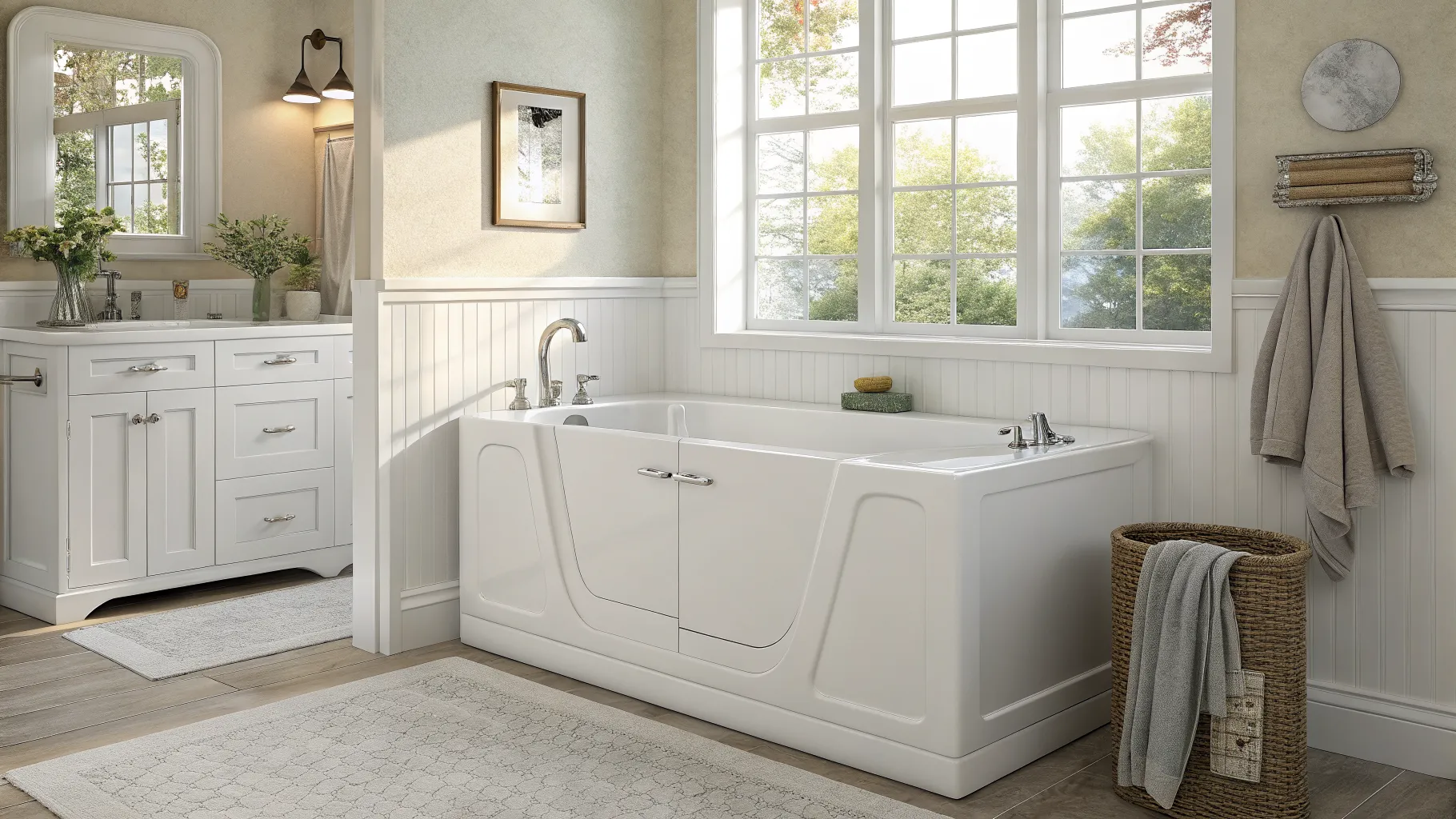
A walk-in tub is a specialized bathtub designed with a watertight, inward or outward-swinging door. This key feature eliminates the need to step over a high tub wall, reducing the risk of falls and making bathing safer for individuals with limited mobility. Most walk-in tubs also include a built-in contoured seat, anti-slip flooring, and strategically placed grab bars to further enhance safety and comfort.
Beyond these basic safety features, walk-in tubs come in various types and configurations. A simple 'soaker' tub provides the basic function of a deep, comfortable bath. More advanced models offer therapeutic features like hydrotherapy water jets for muscle relaxation, aerotherapy air jets for a gentle effervescent sensation, or combination systems that include both. Some even include features like chromatherapy (colored lighting) and heated backrests for a spa-like experience.
Breakdown of Average Costs
The total cost for a walk-in tub project typically ranges from $5,000 to over $20,000, with the final price depending on numerous variables. This cost can be broken down into two main categories: the price of the tub unit itself and the cost of professional installation. It is important to look at the combined cost, as a seemingly inexpensive tub might require a very complex and costly installation.
The tub unit alone can cost anywhere from $2,000 for a basic soaker model to $12,000 or more for a luxury tub with extensive therapeutic features. Installation labor can add another $2,000 to $8,000 or more to the total. This installation fee covers not just placing the tub, but also removing the old fixture, making necessary plumbing and electrical adjustments, and any required finish work.
Key Factors Influencing Tub Price
The specific features and materials of the tub are a primary driver of its price. When comparing models, you will notice significant price differences based on the level of luxury and functionality. Homeowners should consider which features are essential for their needs to find a tub that fits their budget.
- Size and Dimensions: Standard-sized tubs are generally less expensive than larger, bariatric models or custom-sized units designed to fit into unusual spaces.
- Material: Tubs are typically made from fiberglass, gelcoat, or acrylic. Acrylic is often considered the most durable and high-end option, retaining heat well and resisting cracks and fading, but it also comes at a higher price point.
- Therapy Systems: A basic soaker tub is the most affordable. Adding hydrotherapy, aerotherapy, or a combination of both will significantly increase the unit's cost.
- Additional Features: Luxury add-ons like fast-draining systems, heated seats, aromatherapy dispensers, and chromatherapy lighting all contribute to a higher price tag.
What Affects Installation Costs?
The cost of installation is highly dependent on the current state of your bathroom and the complexity of the job. A straightforward replacement of a standard tub with a similarly sized walk-in model will be on the lower end of the cost spectrum. However, many installations require significant modifications to the existing space, which increases labor time and material costs.
The scope of work for an installer includes removing and disposing of the old bathtub or shower, preparing the alcove, setting the new tub, and connecting it to the existing plumbing. If the new tub has different dimensions, additional work on the surrounding walls, flooring, and tiling will be necessary to ensure a seamless fit and finish. These finishing touches are an important part of the installation cost.
Plumbing and Electrical Modifications
Significant plumbing work can drive up installation costs. If existing pipes are old or not properly configured, a plumber may need to move supply lines and drains. Many walk-in tubs, especially those with fast-fill faucets, require larger water supply lines. Furthermore, tubs with electric-powered features like jets or heated seats will require a dedicated GFCI-protected electrical circuit installed by a licensed electrician, which is a separate and essential expense.
Bathroom Renovations
Beyond the immediate tub area, other renovations may be needed. Doorways may need to be widened to get the tub into the bathroom. The floor structure might need to be reinforced to support the substantial weight of the tub, water, and occupant, which can easily exceed 1,000 pounds. Any adjustments to drywall, tile, or flooring after the tub is installed will also add to the final bill.
Finding and Hiring a Qualified Installer
Proper installation is crucial for the performance and longevity of a walk-in tub. An improper installation can lead to leaks, water damage, and malfunctioning features. For this reason, it is highly recommended to hire a professional contractor or plumber who has specific experience installing these specialized units. A general handyman may not be familiar with the unique requirements.
You can find qualified installers through the manufacturer or dealer where you purchase the tub, as they often have a network of certified professionals. Alternatively, you can search for local plumbing companies or contractors who specialize in accessibility or aging-in-place modifications. Always get at least three detailed quotes, check their licenses and insurance, and ask for references from previous walk-in tub installation projects.
Planning and Budgeting for Your Project
Creating a detailed budget is a critical first step. Start by researching the types of tubs and features you want to get a general idea of the unit's cost. When you solicit quotes from installers, ensure they are comprehensive and itemized, covering all aspects of the job from demolition to finishing touches. This helps avoid surprise charges later.
It is also wise to include a contingency fund of about 10% to 20% of the total project cost in your budget. This extra amount can cover unexpected issues, such as discovering hidden water damage or outdated plumbing once the old tub is removed. Thinking about potential financing options or checking with local agencies for any available grants for home safety modifications may also be helpful for managing the overall expense.