A Complete Guide to Wood Fence Installation Costs
Installing a wood fence can enhance a property's privacy, security, and curb appeal. However, the cost can vary significantly based on a wide range of factors. Before starting your project, it's helpful to understand what goes into the final price tag so you can budget effectively and make informed decisions. This guide explores the primary elements that determine the cost of a professional wood fence installation.
Key Factors That Determine Overall Cost
The total cost of a wood fence installation is not a single number but a sum of several components. The most significant factors are the total length and height of the fence. A longer and taller fence will naturally require more materials and more labor, directly increasing the project's expense. Fencing is often priced by the linear foot, so measuring your property's perimeter is the first step in estimating the cost.
Beyond the basic dimensions, the type of wood selected, the complexity of the fence style, and local labor rates play crucial roles. The terrain of your property can also impact the price. A flat, clear yard is much easier to work on than a sloped, rocky, or heavily wooded area, which may require extra site preparation and more intensive labor, adding to the final bill.
Understanding Lumber Choices and Their Price Points
The type of wood you choose is one of the largest variables in your budget. Different woods come with different price tags, durability, and maintenance needs. It's important to balance your desired aesthetic with your budget and the local climate conditions. Some of the most common options offer a good starting point for comparison.
- Pressure-Treated Pine: This is often the most affordable option. The wood is chemically treated to resist rot, decay, and insects, making it a durable choice for its price. However, it can be prone to warping or shrinking over time if not properly maintained.
- Cedar: A popular mid-range choice, cedar contains natural oils that make it resistant to moisture and insects. It's less likely to warp than pine and has a desirable reddish-brown hue that ages to a silvery gray if left unstained.
- Redwood: Typically a premium option, redwood is known for its beauty, stability, and natural resistance to decay and pests. It tends to be more expensive but offers excellent longevity, especially in damp climates.
Breaking Down Labor Costs
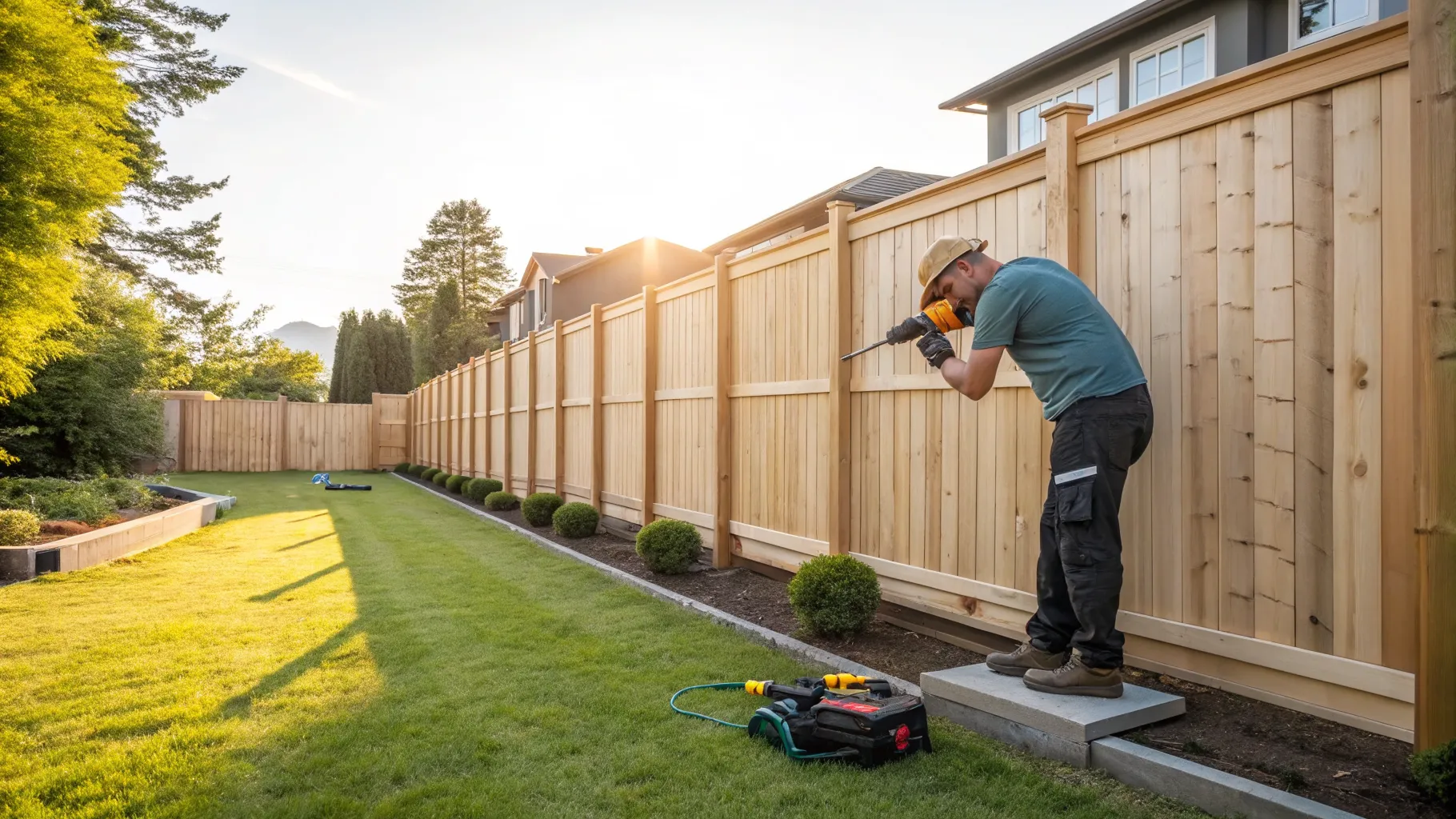
Labor is a substantial part of any fence installation quote, often accounting for nearly half of the total project cost. Professional installers charge for their time and expertise, which includes setting posts in concrete, attaching rails, and individually placing pickets or panels. Labor rates can vary widely depending on your geographic location, the contractor's experience level, and the current demand for fencing services in your area.
Several factors can increase labor expenses. If an old fence needs to be removed and hauled away, this will add to the cost. Difficult terrain, such as steep slopes, rocky soil that requires extra digging, or navigating around trees and other obstacles, will also demand more time and effort from the crew, leading to a higher labor charge. Always ask for a detailed breakdown of labor costs in any estimate you receive.
How Fence Style Impacts Your Budget
The design of your fence affects both material and labor costs. Simple designs are quicker to install and use fewer materials, while more intricate styles require more precision, time, and wood. A standard privacy fence with tightly spaced vertical boards is a common choice, but even within this category, there are variations.
A simple picket fence, for example, uses less wood than a full privacy fence and is generally less expensive. In contrast, a shadowbox or board-on-board fence, which features overlapping pickets for a more dimensional look, requires more materials and more complex installation, driving up the cost. Decorative elements like lattice tops, post caps, or custom gates will also add to the overall expense of the project.
Additional and Potentially Hidden Costs
When budgeting for a new fence, it's important to look beyond the initial quote for materials and labor. Several other expenses can arise during the project. One common cost is for a building permit, which may be required by your local municipality depending on the fence's height and location. It's wise to check with your local planning department beforehand.
Other potential costs to consider include a land survey to ensure the fence is placed correctly on your property line. You should also factor in the cost of gates, which are typically priced separately from the main fence line due to the need for hardware and additional framing. Finally, remember that wood fences require maintenance. The cost of staining or sealing the fence to protect it from the elements should be included in your long-term budget.
Getting an Accurate and Fair Estimate
To ensure you get a fair price, it is highly recommended to obtain at least three quotes from different, reputable fencing contractors. This allows you to compare not only the bottom-line price but also the quality of materials offered and the scope of work included. Be wary of any estimate that is significantly lower than the others, as it may indicate subpar materials or inexperienced labor.
When you request a quote, ask for an itemized breakdown that lists the costs for materials, labor, old fence removal, gate installation, and any other services. Inquire about the contractor's timeline for the project and ask about any warranties they offer on materials or workmanship. A clear, detailed contract protects both you and the installer and ensures there are no surprises once the work begins.