5 Symptoms of Stomach Cancer: A Health Information Guide
Recognizing the early warning signs of gastric issues is a vital part of maintaining your overall health and well-being.
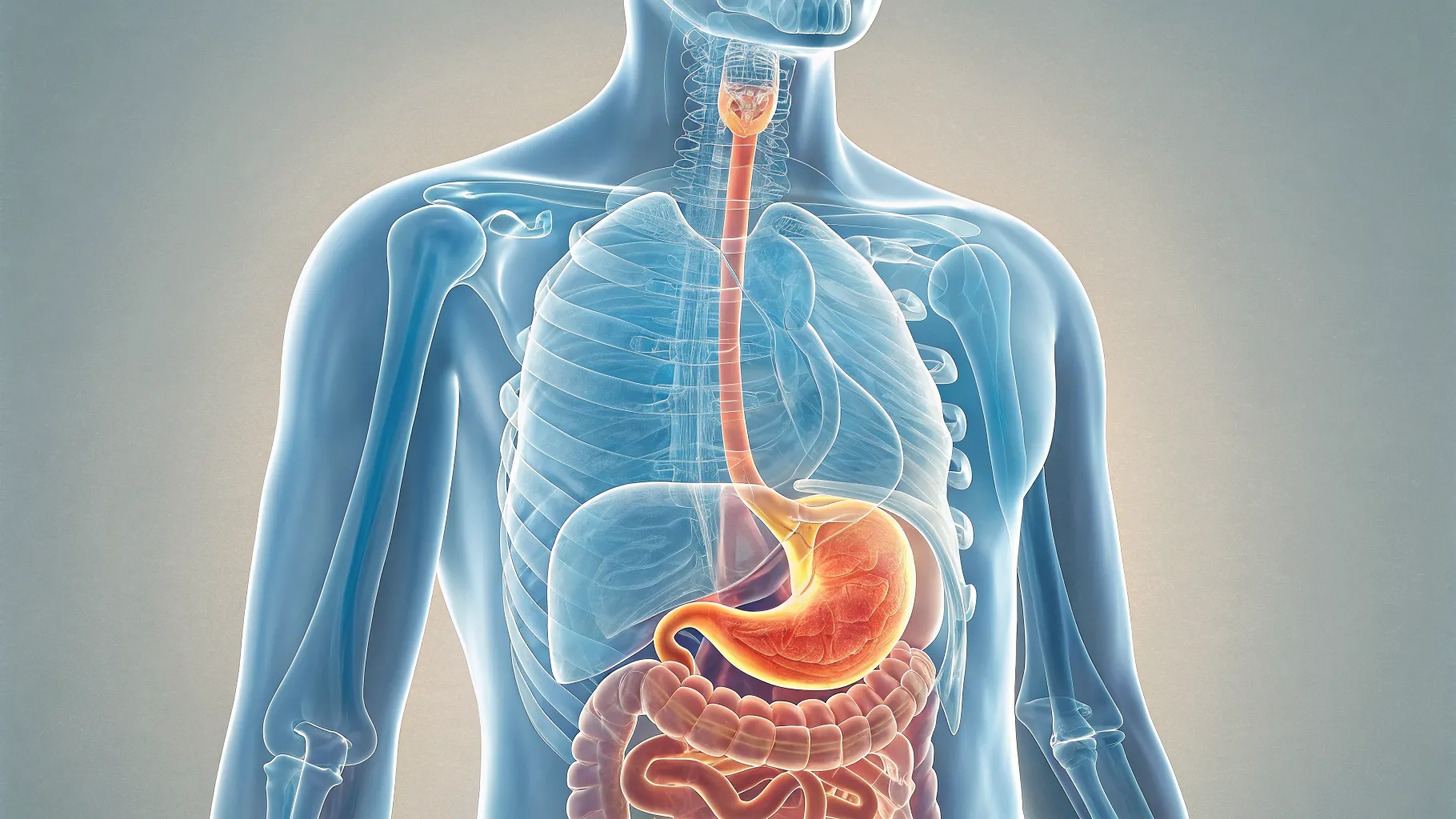
Understanding Stomach Cancer
Stomach cancer, also known as gastric cancer, begins when healthy cells in the stomach undergo abnormal changes and grow out of control. This disease typically develops slowly over many years. Before a true cancer develops, pre-cancerous changes often occur in the inner lining of the stomach. These early changes rarely cause noticeable symptoms, which makes early detection a significant challenge for healthcare professionals.
Because the stomach plays a central role in digesting food, many of the early signs of a problem are easily confused with minor, everyday gastrointestinal complaints. People often dismiss these warning signs as a simple stomach bug or the result of eating something disagreeable. However, knowing the specific symptoms that warrant a closer look can help individuals advocate for their own health and seek appropriate medical evaluations.
1. Persistent Indigestion and Heartburn
Indigestion and heartburn are incredibly common issues that most people will experience at some point in their lives. They are often triggered by spicy foods, heavy meals, or high levels of stress. In a typical scenario, these symptoms resolve on their own or with the help of standard dietary changes. When these symptoms become a daily occurrence or fail to respond to traditional remedies, they may indicate a more complex underlying condition.
In the context of stomach cancer, a growing tumor can interfere with the normal digestive processes. This disruption can cause stomach acid to flow back into the esophagus, leading to a persistent burning sensation in the chest or upper abdomen. If you find yourself constantly battling indigestion without finding lasting relief, it is important to discuss this ongoing issue with a medical professional.
2. Unexplained Weight Loss and Loss of Appetite
Losing weight without making any changes to your diet or exercise routine is a classic warning sign for many types of medical issues, including gastric cancer. The body expends a significant amount of energy trying to fight off abnormal cellular growth, which can lead to a noticeable drop in body weight. Additionally, a tumor in the stomach can alter the way the body absorbs nutrients, further contributing to unexpected weight loss.
This physical change is frequently accompanied by a sudden and profound loss of appetite. Individuals may find that foods they once enjoyed no longer sound appealing, or they may feel a general aversion to eating altogether. When anorexia and unprompted weight loss occur together, they form a strong indicator that the digestive system is not functioning correctly and requires a thorough examination.
3. Feeling Full After Eating Small Amounts
Early satiety is a medical term used to describe the sensation of feeling completely full after consuming only a small portion of food. For someone experiencing this symptom, eating a fraction of a normal meal can make them feel uncomfortably stuffed, as if they had just finished a massive feast. This happens because a tumor can physically take up space within the stomach cavity.
As the abnormal growth expands, the stomach loses its natural ability to stretch and accommodate incoming food. The restricted capacity sends premature signals to the brain that the stomach is full. If you notice a drastic reduction in the amount of food you can comfortably eat during a single sitting, it is a symptom that should not be ignored.
4. Nausea and Vomiting
Occasional nausea is a vague symptom that can be attributed to everything from motion sickness to a mild viral infection. However, when nausea becomes a constant companion, it points to an ongoing issue within the digestive tract. A tumor can irritate the stomach lining or create a partial blockage that prevents food from moving smoothly into the small intestine, resulting in a persistent feeling of sickness.
In more advanced stages, this nausea can escalate into frequent episodes of vomiting. Sometimes, the vomit may contain traces of blood, which might appear bright red or resemble dark coffee grounds. The presence of blood in vomit is a critical sign of internal bleeding and necessitates immediate medical attention to determine the exact source of the hemorrhage.
5. Abdominal Pain and Discomfort
Abdominal pain associated with stomach cancer is rarely described as a sharp, sudden agony. Instead, it typically manifests as a dull, constant ache located in the upper abdomen, just above the navel. This discomfort might be mild at first, leading many people to brush it off as a minor muscle strain or generic bellyache.
Over time, the pain can become more pronounced and continuous, failing to subside with rest or dietary adjustments. The discomfort may also worsen after eating. Because the abdomen houses multiple vital organs, pinpointing the exact cause of the pain requires diagnostic imaging and professional assessment to rule out gastric tumors or other serious conditions.
Seeking Professional Medical Advice
Experiencing one or more of these symptoms does not automatically mean that a person has stomach cancer. Conditions like gastric ulcers, gastroesophageal reflux disease, and various infections can present in very similar ways. To ensure an accurate diagnosis, doctors often rely on specific diagnostic tools and tests.
When consulting a healthcare provider, they may recommend the following steps to evaluate digestive health:
- A detailed review of personal and family medical history.
- Blood tests to check for anemia or other abnormalities.
- An upper endoscopy to visually inspect the stomach lining.
- Imaging tests like computed tomography scans to look for structural changes.