Your Complete Guide to Furniture Painting Workshops
Breathing new life into an old piece of furniture can be an incredibly rewarding experience. For those interested in learning the proper techniques, a furniture painting workshop offers hands-on guidance in a creative and supportive environment. These classes are designed to take the guesswork out of DIY projects, providing you with the skills and confidence to tackle furniture makeovers on your own.
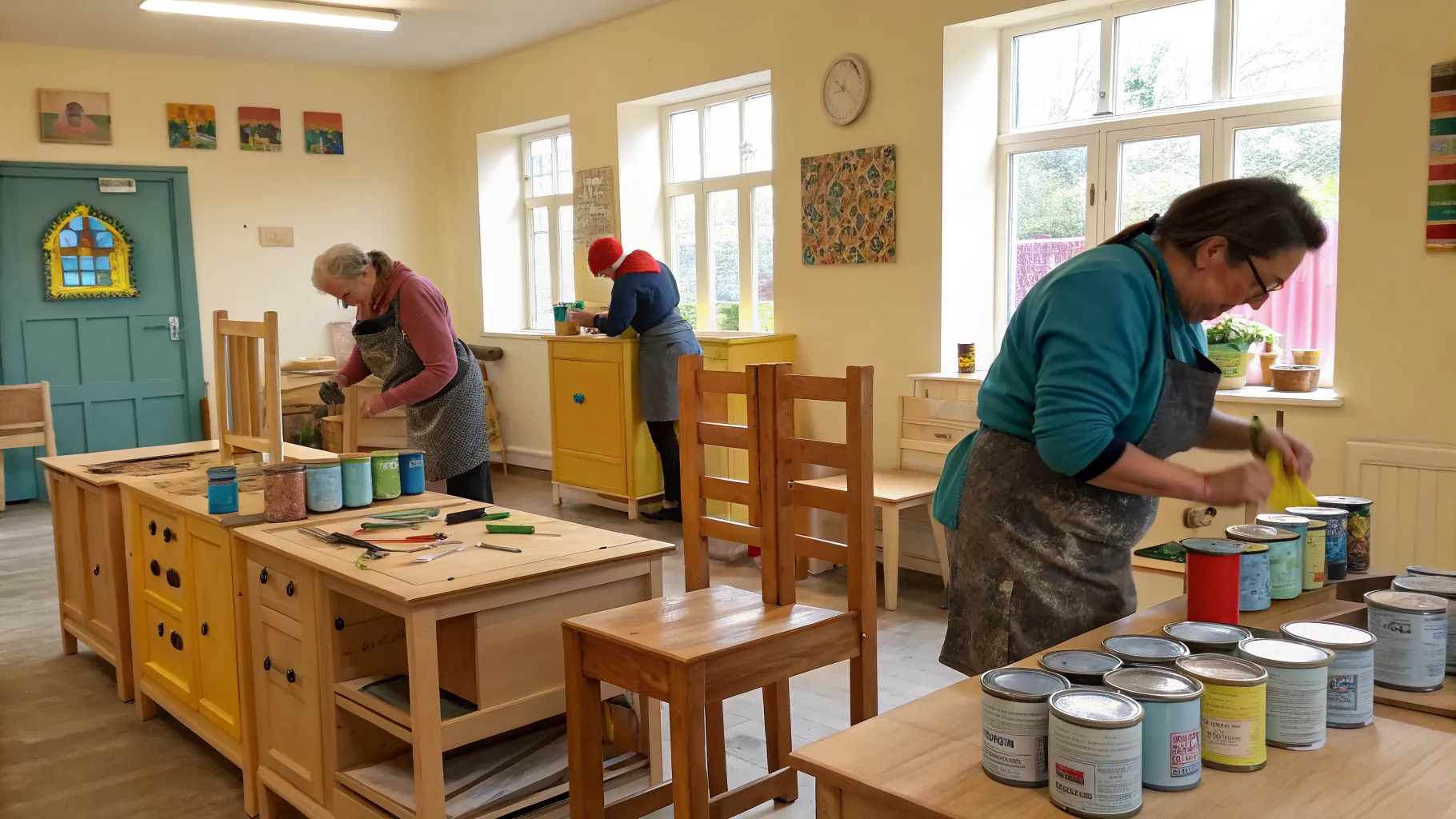
What Are Furniture Painting Workshops?
A furniture painting workshop is an instructional class where participants learn the art of painting and refinishing furniture. Led by experienced artisans, these workshops cater to a range of skill levels, from absolute beginners who have never picked up a paintbrush to seasoned DIYers looking to master advanced techniques. The primary goal is to teach you how to properly prepare, paint, and protect a piece of furniture for a durable and professional-looking finish.
Typically, you will work on a small piece of furniture, either one you bring from home or one provided by the workshop. The setting is usually collaborative and friendly, allowing you to learn from the instructor as well as from fellow participants. It's a space to ask questions, experiment with colors and finishes, and learn the trade secrets that you might not find in online tutorials.
Core Skills You Will Learn
While each workshop may have a slightly different curriculum, most beginner-focused classes cover a set of fundamental skills that are essential for any furniture painting project. The instructor will guide you through each step of the process, ensuring you understand the why behind each action, not just the how.
- Surface Preparation: Learn the importance of cleaning and sanding. You'll discover which surfaces require priming and how to properly prepare different materials like wood, laminate, or metal for paint adhesion.
- Paint Application: Instructors will demonstrate how to achieve a smooth, brushstroke-free finish using various tools. You might explore different types of paint, such as chalk paint, milk paint, or acrylics.
- Distressing and Aging Techniques: Many workshops introduce popular decorative techniques, such as wet or dry distressing, to give furniture a vintage or rustic appearance.
- Sealing and Protection: The final step is crucial for durability. You will learn about different topcoats, like wax and polyurethane, and how to apply them correctly to protect your newly painted piece from wear and tear.
Exploring Different Workshop Formats
Furniture painting workshops are not one-size-fits-all. They come in various formats to suit different learning goals and schedules. The most common is the 'Beginner's Basics' or 'Introductory' class, which covers all the fundamental steps from prep to finish on a small item. These are perfect for building a solid foundation.
For those who have already mastered the basics, advanced workshops offer a deeper dive into specific styles or techniques. You might find classes focused on creating a shabby-chic look, mastering gold leaf application, or learning complex stenciling. There are also project-specific workshops, such as 'Paint Your Kitchen Cabinets' or 'Upholstery Basics', which provide specialized instruction for larger, more involved undertakings.
Choosing the Right Workshop for Your Needs
With many options available, finding the right workshop involves considering a few key factors. The most important is to match the class to your current skill level. Reading the course description carefully will help you determine if it's geared toward beginners or more experienced painters. A good workshop will be clear about who its intended audience is.
Other details to look for can significantly impact your experience. Consider the following points before you sign up:
- Class Size: Smaller classes often mean more one-on-one attention from the instructor.
- Materials: Check if paints, brushes, and other supplies are included in the fee. Some workshops may even provide a small piece of furniture to work on.
- Instructor Experience: Look for an instructor with a strong portfolio and positive reviews from past students. Their expertise and teaching style are key to a successful learning experience.
- Duration and Cost: Workshops can range from a few hours to a full weekend. Compare the cost against the duration and what is included to find an option that fits your budget and schedule.
A Typical Day at a Furniture Workshop
When you arrive at the workshop, you can expect a welcoming and creative atmosphere. The day usually begins with introductions and an overview of the project. The instructor will explain the plan for the session, introduce the tools and materials you'll be using, and demonstrate the first steps of the process, which usually involve furniture preparation.
The bulk of the workshop is dedicated to hands-on work. As you clean, sand, and paint your piece, the instructor will circulate, offering personalized advice, answering questions, and providing demonstrations. This is your time to learn and practice in a low-pressure environment. The session typically concludes with instructions on how to apply a protective topcoat and care for your finished piece.
How to Prepare for Your Workshop Experience
Proper preparation can help you get the most out of your workshop. First, be sure to wear comfortable clothing and shoes that you don't mind getting a little paint on. While aprons are often provided, it's best to dress for a creatively messy activity. Arriving with an open mind and a willingness to learn is just as important.
If the workshop requires you to bring your own small piece of furniture, choose something manageable. A small side table, a picture frame, or a wooden chair are all excellent choices. Avoid pieces that are overly ornate or require extensive repairs, as these can be too challenging for a single session. It's also a good idea to have a general color scheme in mind, but be open to experimenting with the options provided.