10 Effective Ways to Stay Cool and Comfortable in Summer
Summer heat can be more than just uncomfortable; it can pose a risk to your health. Finding effective ways to stay cool is crucial for getting through the hottest days of the year safely. Fortunately, there are many simple adjustments you can make to your routine and environment to manage your body temperature and feel more comfortable. These tips range from what you eat and wear to how you set up your living space.
Stay Properly Hydrated
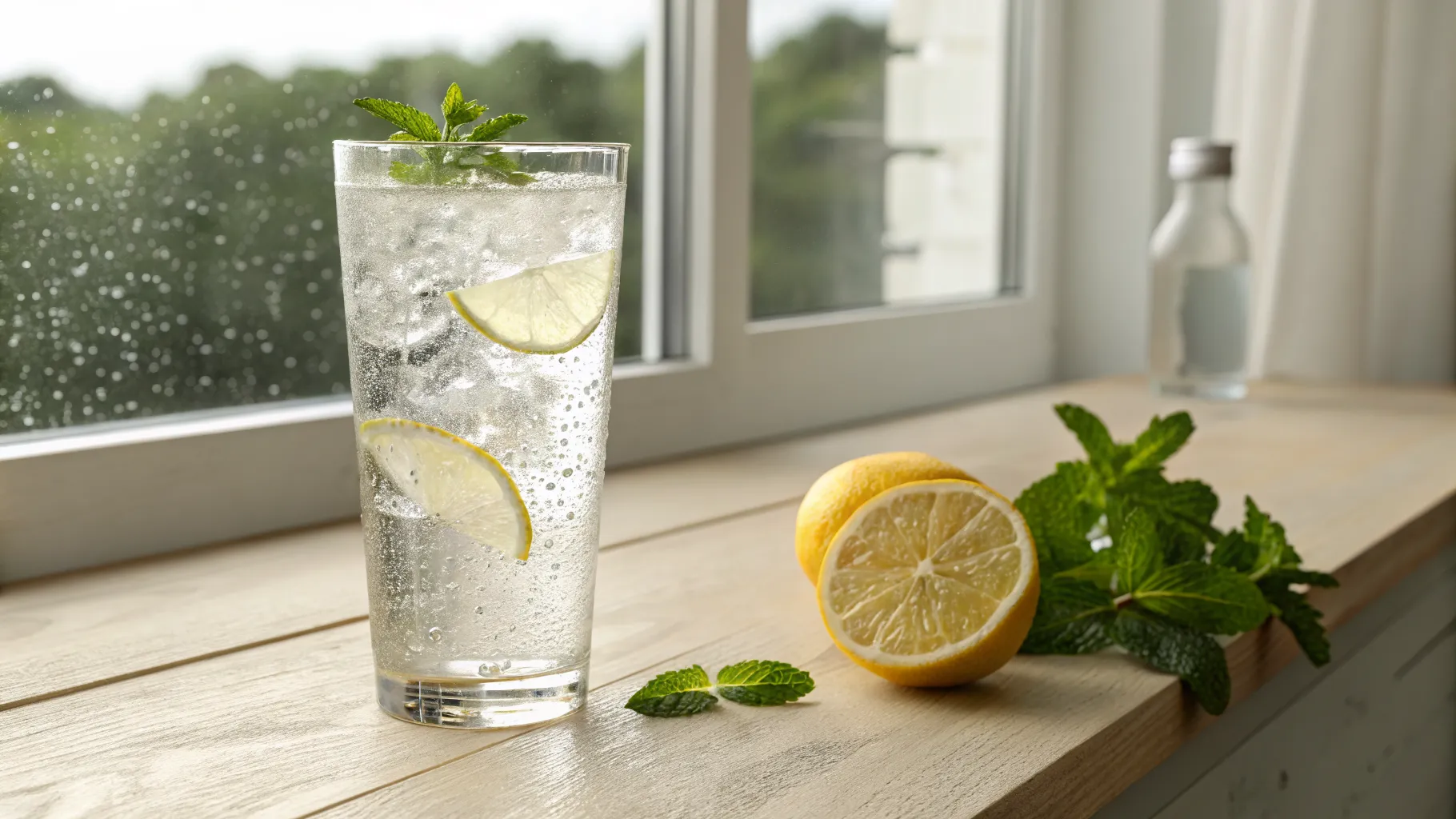
One of the most critical steps to staying cool is proper hydration. Your body cools itself by sweating, but when you lose too much water, this process becomes less efficient. Drinking enough water throughout the day replenishes the fluids lost through perspiration and helps maintain your body's ability to regulate its temperature. It's important not to wait until you feel thirsty, as thirst is an early sign that you are already on your way to being dehydrated.
While plain water is an excellent choice, you can also consume other hydrating fluids. However, it is wise to avoid beverages that can contribute to dehydration, such as those high in sugar, caffeine, or alcohol. Consider water infused with fruit, herbal iced teas, or drinks that contain electrolytes, especially if you have been sweating a lot from physical activity.
Choose Breathable Clothing
The type of clothing you wear has a significant impact on how cool you feel. Opt for fabrics that are lightweight and breathable, allowing air to circulate close to your skin. Natural fibers like cotton and linen are excellent choices because they absorb moisture and dry quickly, helping to wick sweat away from your body.
In addition to fabric type, pay attention to the color and fit of your clothes. Light-colored clothing reflects sunlight and heat, whereas dark colors absorb it, making you feel warmer. A loose fit is also preferable to tight clothing, as it allows for better airflow between the fabric and your skin, which enhances the body's natural cooling process.
Manage Your Home's Temperature
Keeping your home cool can provide a much-needed retreat from the outdoor heat. One of the most effective strategies is to manage the amount of sunlight entering through your windows. Use curtains, blinds, or reflective window films to block direct sunlight, especially on windows that face east in the morning and west in the afternoon. This simple step can significantly lower the indoor temperature.
You can also take advantage of cooler nighttime temperatures. Open your windows in the evening and early morning to allow cool air to circulate throughout your home. Use fans to create a cross-breeze. As the sun begins to rise and the outdoor temperature climbs, close the windows and blinds to trap the cooler air inside for as long as possible.
Adjust Your Diet for Hot Weather
What you eat can influence your body temperature. Large, heavy meals, particularly those high in protein and fats, require more energy to digest. This metabolic process generates heat, which can make you feel even warmer. Instead, opt for smaller, more frequent meals to keep your digestive system from working overtime.
Focus on incorporating foods with high water content into your diet. These can help with hydration and often feel light and refreshing. Good options include:
- Fruits like watermelon, cantaloupe, strawberries, and peaches.
- Vegetables such as cucumber, celery, lettuce, and zucchini.
- Cold soups, salads, and smoothies are also excellent meal choices for hot days.
Use Water to Cool Down Quickly
Applying cool water to your skin can provide immediate relief from the heat. A cool shower or bath is one of the fastest ways to lower your core body temperature. Even if you don't have time for a full shower, just a quick rinse can make a big difference in how you feel.
For on-the-go cooling, carry a small spray bottle filled with water to mist your face and body. Another effective technique is to apply a cold, damp cloth or a wrapped ice pack to your pulse points. These are areas where blood vessels are close to the surface of the skin, such as your wrists, neck, temples, and the crooks of your elbows and knees.
Time Your Outdoor Activities Wisely
The sun's intensity and outdoor temperatures peak during certain hours of the day. To avoid the worst of the heat, it's best to schedule strenuous activities for the cooler parts of the day. The hottest period is typically between 10 a.m. and 4 p.m. If possible, plan your exercise, gardening, or errands for the early morning or late evening.
If you must be outdoors during peak heat, be sure to take frequent breaks in the shade or an air-conditioned space. Wear a wide-brimmed hat and sunglasses to protect yourself from direct sun exposure, and always have water with you to stay hydrated.
Utilize Fans Strategically
Fans are a popular tool for staying cool, but it's important to use them effectively. Fans work by creating a wind-chill effect, which helps evaporate sweat from your skin more quickly, making you feel cooler. They do not lower the actual temperature of the room. Therefore, a fan is only useful when you are in the room with it.
You can enhance a fan's cooling power with a simple trick. Place a shallow bowl or pan of ice in front of the fan. As the ice melts, the fan will blow the cooler air from the surface of the ice around the room, creating a refreshing, misty breeze. This can be a great alternative if you don't have air conditioning.
Find or Create Shade Outdoors
The difference in temperature between direct sunlight and a shady spot can be substantial. When you are outside, always seek out shade. This could be under a large tree, an awning, a covered porch, or an umbrella. Minimizing your time in direct sunlight is one of the simplest ways to prevent overheating.
At home, you can create your own shade in outdoor living spaces. Patio umbrellas, shade sails, and retractable awnings are all excellent options for making decks and patios more comfortable. For a long-term solution, consider planting trees or large shrubs strategically to provide natural shade for your home and yard.
Cool Your Pulse Points
For a surprisingly fast way to cool down, target your pulse points. These are areas on your body where major arteries run very close to the skin's surface. Cooling these specific spots can help lower the temperature of the blood circulating through your body, providing a sense of overall cooling.
Key pulse points include your wrists, the back of your neck, the insides of your elbows and knees, your ankles, and your temples. Simply run cold water over these areas or apply a cold compress for a few minutes. This is a very effective technique for getting quick relief when you feel overheated.
Know the Signs of Heat-Related Illness
While staying comfortable is important, staying safe is paramount. It is vital to recognize the symptoms of heat-related illnesses like heat exhaustion and heatstroke. Heat exhaustion can occur after prolonged exposure to high temperatures and is often accompanied by dehydration.
Be aware of the following symptoms. Heat exhaustion may include heavy sweating, faintness, dizziness, fatigue, and nausea. If someone's condition progresses to heatstroke, they may have a high body temperature, confusion, a lack of sweating, and a rapid pulse. Heatstroke is a serious medical emergency that requires immediate professional attention. Recognizing these signs can help you take action quickly for yourself or others.