9 Effective Ways to Stay Cool and Safe During a Heatwave
Heatwaves can be more than just uncomfortable; they can pose serious health risks. As global temperatures continue to rise, knowing how to effectively manage extreme heat is becoming an essential skill. Fortunately, there are many simple yet powerful strategies you can use to keep yourself, your family, and your home cool and safe when the weather gets intense.
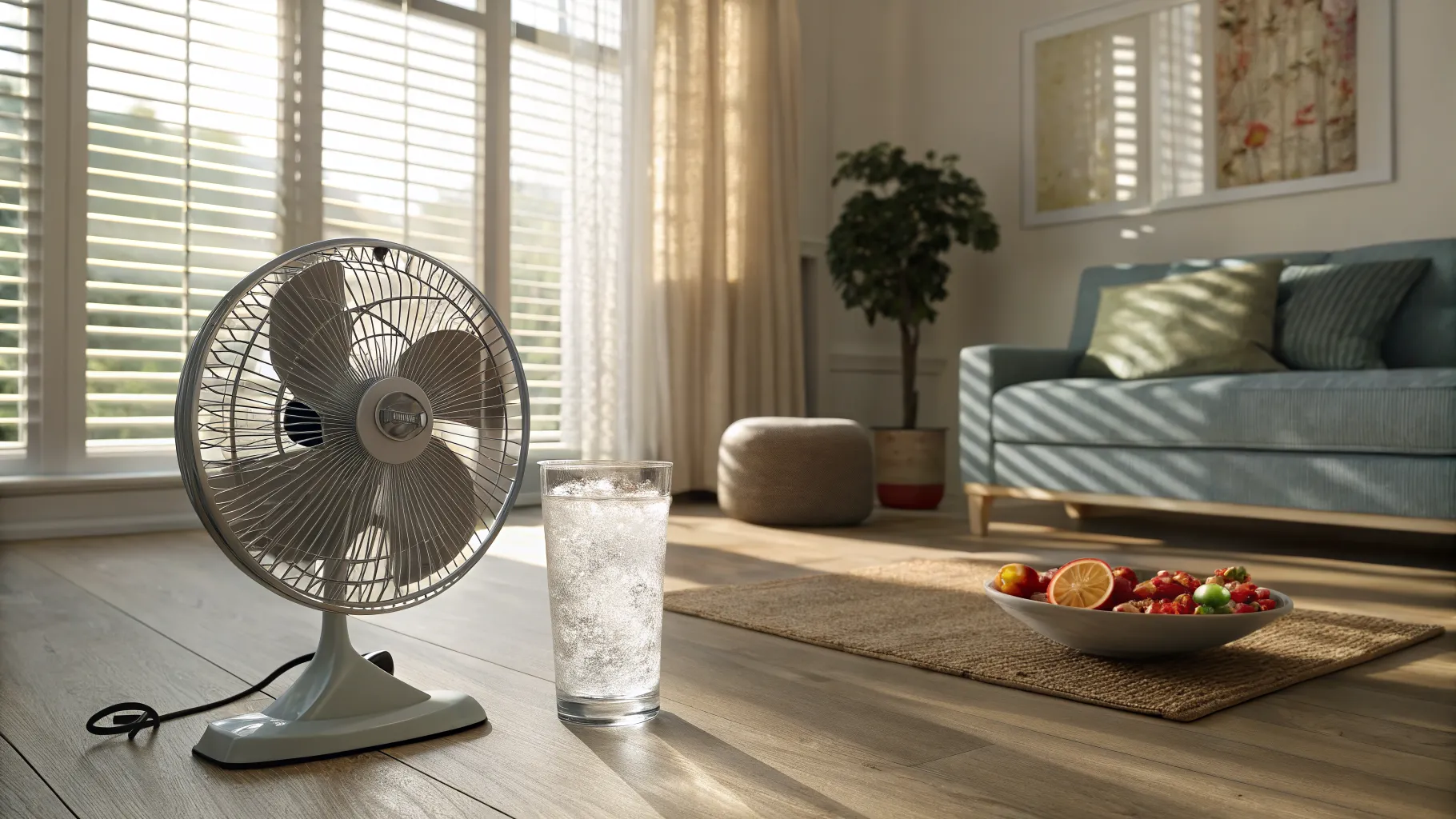
1. Prioritize Hydration
The single most important thing you can do during a heatwave is to stay hydrated. Your body cools itself by sweating, but this process depletes your fluid levels. It is vital to drink water consistently throughout the day, even if you do not feel particularly thirsty. Waiting until you feel thirst is often a sign that you are already slightly dehydrated.
While water is the best option, you can also supplement with drinks that help replenish electrolytes, such as sports drinks or coconut water, especially if you have been sweating a lot. It is best to avoid drinks that can contribute to dehydration, including those high in caffeine like coffee and soda, as well as alcoholic beverages. These substances can act as diuretics, causing your body to lose more fluid.
2. Dress for the Heat
The clothes you wear can have a significant impact on how well your body regulates its temperature. Opt for lightweight, loose-fitting clothing to allow for better air circulation around your skin. This helps sweat to evaporate more efficiently, which is your body's natural cooling mechanism. Tight clothing can trap heat and moisture, making you feel hotter and more uncomfortable.
The color and fabric of your clothing also matter. Light-colored garments, such as whites, beiges, and pastels, reflect sunlight and heat, whereas dark colors absorb it. Choose natural, breathable fabrics like cotton, linen, or chambray over synthetic materials like polyester or nylon, which can trap heat and prevent sweat from evaporating properly.
3. Keep Your Living Space Cool
Creating a cool refuge in your home is essential during a heatwave, especially if you do not have air conditioning. The key is to prevent the sun from heating your home during the day. Keep curtains, shades, and blinds closed on windows that face the sun, particularly on the south and west sides of your house. Using blackout curtains can be especially effective at blocking solar heat.
Strategically using fans can also make a big difference. At night, if the outside air is cooler than the inside, open windows on opposite sides of your home to create a cross-breeze and place fans to push the hot air out and pull the cool air in. During the day, you can place a bowl of ice or a frozen water bottle in front of a fan to create a cooling mist as the air blows over it.
4. Adjust Your Diet and Cooking Habits
What you eat and how you cook it can influence your body temperature. Eating large, heavy meals can increase your metabolic heat as your body works to digest them. Instead, opt for smaller, more frequent meals that are lighter and easier to digest. Focus on foods with high water content, such as fruits like watermelon and strawberries, and vegetables like cucumbers and celery.
Using your oven or stove can significantly raise the temperature inside your home. Try to avoid them during the hottest parts of the day. Instead, rely on a microwave, a slow cooker, or an outdoor grill. This is a great time to enjoy cool meals like salads, sandwiches, and cold noodle dishes that require no cooking at all.
5. Use Water for External Cooling
In addition to drinking water, you can use it on the outside of your body to cool down quickly. Taking a cool shower or bath can provide immediate relief by lowering your core body temperature. If you do not have time for a full shower, even a quick rinse can be very effective.
For targeted cooling, apply cold, wet cloths or ice packs to key pulse points where blood vessels are close to the skin. These spots include your wrists, neck, elbows, and ankles. Dabbing your skin with cool water or using a spray bottle filled with water can also provide a refreshing and cooling effect as the water evaporates from your skin.
6. Time Your Activities Wisely
Strenuous physical activity generates a lot of body heat, which can be dangerous during a heatwave. It is best to avoid or limit intense exercise, yard work, and other demanding tasks during the hottest part of the day, which is typically between 11 a.m. and 4 p.m. If you must be active, try to schedule these activities for the early morning or late evening when temperatures are lower.
If you enjoy exercising outdoors, listen to your body and take it easy. Reduce the intensity and duration of your workout, take frequent breaks in the shade, and make sure to drink plenty of water before, during, and after your activity. If you feel dizzy, lightheaded, or nauseous, stop immediately and find a cool place to rest.
7. Seek Out Air-Conditioned Spaces
If your home becomes unbearably hot and you do not have air conditioning, it is important to find other places to cool down. Spending even a few hours in an air-conditioned environment can help your body recover from the heat. Many communities open public cooling centers during extreme heat events.
Other options include visiting public buildings that are typically air-conditioned, such as:
- Public libraries
- Shopping malls
- Movie theaters
- Community centers
- Museums
Just be sure to check their hours of operation before you go. Spending the hottest part of the day in one of these locations can make a significant difference in your ability to cope with the heat.
8. Recognize the Signs of Heat-Related Illness
It is crucial to know the symptoms of heat-related illnesses so you can act quickly if you or someone else is in trouble. Heat exhaustion is a serious condition that can develop after several days of exposure to high temperatures and inadequate fluid replacement. Symptoms include heavy sweating, weakness, cold or clammy skin, a fast but weak pulse, nausea, and fainting.
Heatstroke is a more severe, life-threatening emergency that occurs when the body can no longer control its temperature. The body's temperature can rise to 106°F or higher within 10 to 15 minutes. Signs include a high body temperature, hot and red skin (which may be dry or moist), a rapid and strong pulse, and potential unconsciousness. If you suspect someone has heatstroke, call for immediate medical assistance.
9. Look After Others and Pets
Extreme heat can be especially dangerous for vulnerable populations, including older adults, young children, and people with chronic medical conditions. Make it a point to check on friends, family, and neighbors who may be at higher risk. Ensure they have access to a cool environment and are staying hydrated.
Do not forget about your pets. They are also susceptible to heatstroke. Ensure they have plenty of fresh, cool water and a shady place to rest. Never leave a pet or a person in a parked car, even for a few minutes, as temperatures inside a vehicle can rise to deadly levels very quickly.