A Comprehensive Guide to Rhine River Cruises
A journey along the Rhine River offers a unique vantage point on the heart of Europe. Flowing from the Swiss Alps through Germany and the Netherlands to the North Sea, the river passes through landscapes rich with history, culture, and natural beauty. A river cruise provides a relaxed and immersive way to explore the charming villages, historic castles, and vibrant cities that line its banks.
What to Expect on a Rhine River Cruise
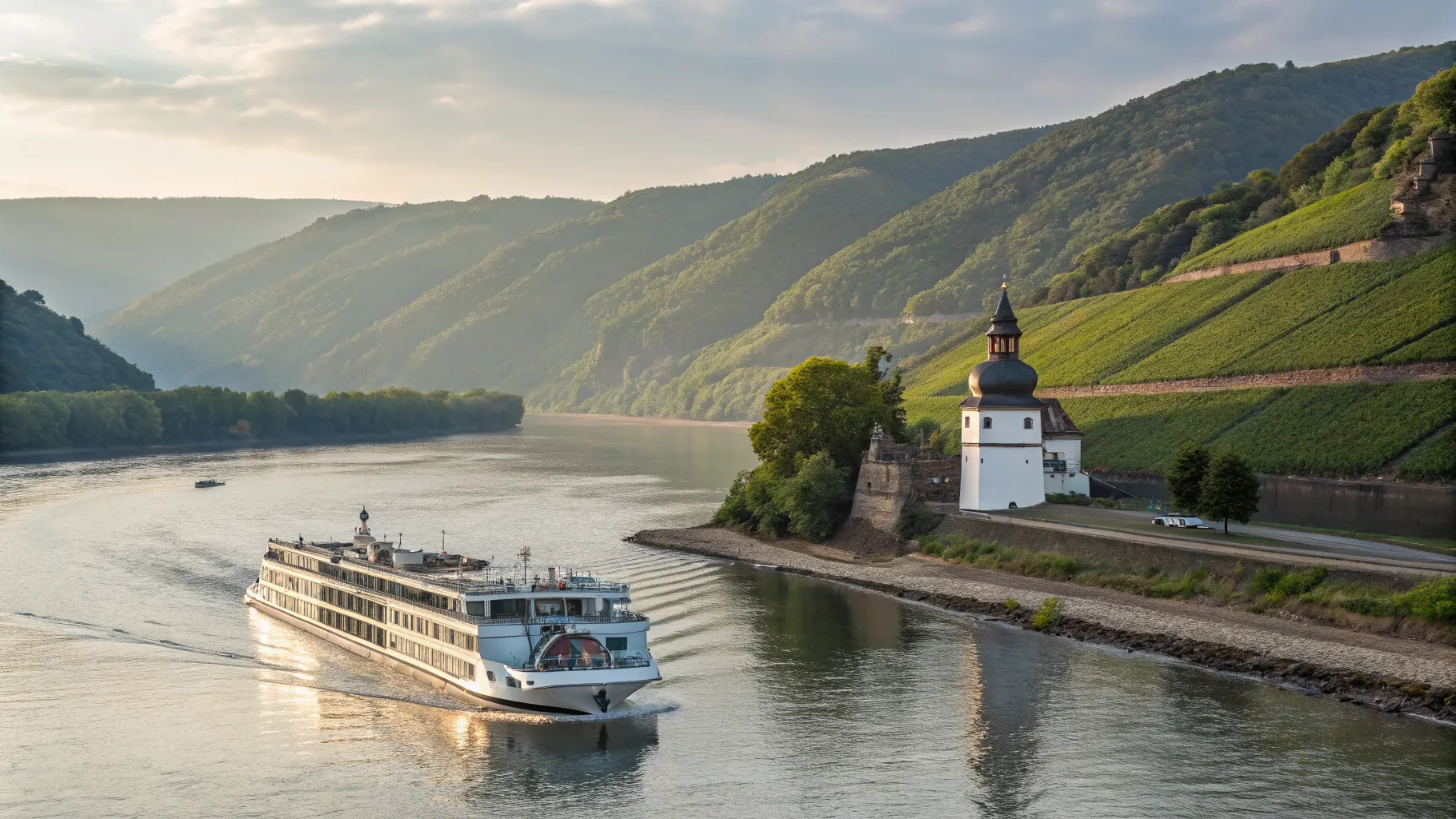
Unlike massive ocean liners, river cruise ships are smaller and more intimate, designed to navigate the locks and low bridges of inland waterways. This smaller scale often translates to a more personalized experience, with passenger counts typically under 200. The pace is generally unhurried, with the ship often docking directly in the heart of towns and cities, allowing for easy exploration. Onboard, you can expect comfortable cabins, often with large windows or balconies, common areas like a lounge and sun deck, and dining that frequently features regional cuisine and wines.
Most Rhine river cruises include daily shore excursions in their pricing. These are usually guided walking tours of the port of call, visits to landmarks, or special experiences like wine tastings. While these included tours offer great value and convenience, many travelers also appreciate the freedom to explore independently right from the ship's mooring. Evenings are typically low-key, featuring live music in the lounge or educational talks about the region's history and culture.
Popular Rhine River Cruise Routes
The most classic Rhine itinerary, often called the 'Rhine Getaway,' spans from Amsterdam, Netherlands, to Basel, Switzerland, or the reverse. This 7 to 8-day journey covers a significant portion of the river's most scenic stretches. Passengers get to experience the canals of Amsterdam, the iconic cathedral of Cologne, the castle-laden Rhine Gorge, the charming French city of Strasbourg, and Germany's Black Forest region.
Shorter and more specialized routes are also widely available. Some cruises focus specifically on the Middle Rhine (Rhine Gorge), a UNESCO World Heritage site known for its high concentration of medieval castles and steep vineyards. Other popular options include tulip-time cruises in the Netherlands and Belgium in the spring, or Christmas market cruises in Germany and France during November and December, which transform riverside cities into festive wonderlands.
Best Time of Year to Cruise the Rhine
The Rhine River cruise season typically runs from March to December, with each season offering a different experience. Spring (April and May) is a beautiful time to visit, especially in the northern stretches through the Netherlands, where tulip fields are in full bloom. The weather is mild, and the summer crowds have not yet arrived.
Summer (June to August) brings the warmest weather, perfect for relaxing on the sun deck as castles drift by. It's the peak tourist season, so expect larger crowds in popular towns. Autumn (September and October) is a favorite for many, as the weather is pleasant, the crowds begin to thin, and the grape harvests are underway in the numerous wine regions. The fall foliage also adds a spectacular layer of color to the landscape. Winter brings a unique charm with its festive Christmas markets, a major draw for cruises in late November and December.
Key Sights and Destinations
The Rhine flows past an incredible number of significant cultural and natural landmarks. The stretch through the Rhine Gorge between Koblenz and Bingen is perhaps the most famous, with over 40 castles and fortresses dotting the hillsides, including the well-known Marksburg Castle and the ruins surrounding the legendary Lorelei Rock.
Major cities along the route are highlights in themselves. You can explore Cologne, with its magnificent Gothic cathedral that survived World War II, and Strasbourg, where French and German cultures blend in the picturesque La Petite France quarter. Other notable stops often include Rüdesheim, a classic German wine town; Heidelberg, with its romantic castle ruins and historic university; and Koblenz, situated at the confluence of the Rhine and Moselle rivers.
Choosing the Right Cruise Experience
When selecting a Rhine cruise, it's important to consider the type of experience you're looking for, as different cruise lines cater to different tastes and budgets. Some operators focus on an all-inclusive luxury model, where fares cover everything from drinks and gratuities to a wide selection of excursions. Others may offer a more value-oriented approach, with a lower upfront price and the option to add on beverage packages or optional tours.
Consider the onboard atmosphere as well. Are you looking for a formal environment with multi-course dinners and evening entertainment, or a more casual and relaxed setting? Look at the specific itineraries to see if the ports of call match your interests. Some cruises might have a historical focus, while others may emphasize culinary experiences or active excursions like cycling and hiking tours.
Packing and Preparation Tips
Packing for a Rhine cruise depends heavily on the season, but layering is always a smart strategy. Even in summer, evenings on the river can be cool. Comfortable walking shoes are the most important item you can pack, as you'll be doing a lot of exploring in port towns with cobblestone streets.
Beyond clothing, here are a few other things to consider:
- Travel Documents: Ensure your passport is valid for at least six months beyond your travel dates.
- Currency: While the ship is often all-inclusive, you'll need Euros for personal shopping, meals, or activities you do on your own in most ports (the Swiss franc is used in Switzerland).
- Electronics: Bring a European power adapter (Type F or C) and a portable power bank for charging your devices during long days ashore.
- Attire: While daytime wear is casual, some cruise lines have a slightly more formal 'captain's dinner' one evening, so packing one smarter outfit is a good idea.