How to Use Baking Soda for Natural Weed Control
Many gardeners search for alternatives to commercial herbicides, often turning to common household items for solutions. Baking soda, or sodium bicarbonate, is one such item that has gained attention for its potential use in weed control. While it can be effective in certain situations, it's important to understand how it works and its limitations before applying it around your home and garden.
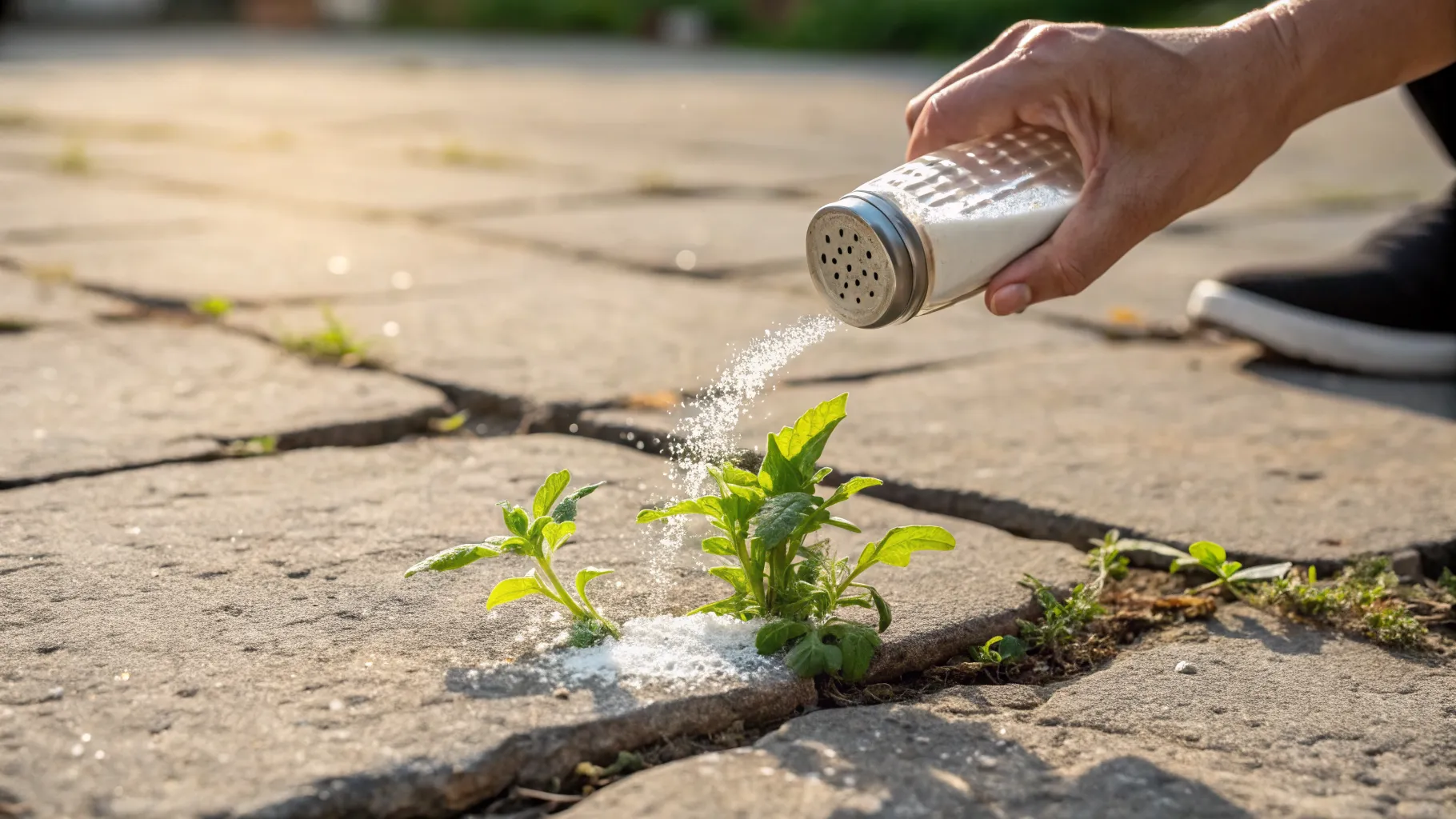
How Baking Soda Affects Weeds
Baking soda works as a contact weed killer, meaning it only affects the parts of the plant it directly touches. The active ingredient, sodium bicarbonate, functions by drawing water out of the plant's cells, causing them to dehydrate and eventually die. This process is known as desiccation. The high concentration of salt from the sodium is what makes this an effective method for killing foliage on contact.
Because it is a contact herbicide, baking soda will not travel down to the root system. This means it is most effective on young, newly emerged weeds with shallow roots. For more established, deep-rooted perennial weeds, the foliage may die back, but the roots will likely survive and send up new growth, requiring repeated applications to eventually exhaust the plant's energy reserves.
Best Weeds and Locations for Baking Soda Use
Baking soda is most effective on young, broadleaf weeds. This includes common garden nuisances like dandelions, clover, and plantain. It can also be quite effective against moss and algae that grow in damp, shady areas of patios or walkways. It is generally less effective against grassy weeds or those with a waxy leaf coating, as the substance has a harder time adhering to and penetrating the foliage.
The ideal places to use this method are areas where you don't have desirable plants growing nearby. It is an excellent choice for weeds that pop up in the cracks of sidewalks, driveways, and brick or stone patios. Using it in these hardscape areas minimizes the risk of harming surrounding vegetation, as the runoff is less likely to impact garden beds.
Methods for Applying Baking Soda
There are two primary ways to apply baking soda for weed control: the dry method and the liquid spray method. Each has its advantages depending on the situation and the type of weed you are targeting. It is always wise to test any method on a small, inconspicuous area first to see how it works before treating a larger space.
- Dry Application: This is the simplest method. Lightly water the weeds first so the powder will stick to the leaves. Then, sprinkle a generous amount of baking soda directly onto the foliage of the weed, ensuring it is well-coated. This is particularly useful for individual, isolated weeds.
- Liquid Spray: To create a spray, dissolve about one cup of baking soda into one gallon of water. Some people add a teaspoon of mild dish soap to the mixture, which acts as a surfactant to help the solution stick to the weed's leaves better. Pour this mixture into a spray bottle and thoroughly saturate the unwanted plants.
A Step-by-Step Guide to Application
To maximize effectiveness and minimize risk, it's best to follow a clear process when using baking soda on weeds. Timing and conditions play a significant role in how well this method works. Applying it on a warm, sunny day is ideal, as the sun helps accelerate the dehydration process. Avoid applying it on windy or rainy days, as the wind can blow the powder onto other plants and rain will simply wash it away.
First, identify the weeds you want to remove and ensure they are not too close to valuable plants. If using the dry method, wet the weed slightly with a spray bottle, then apply a thick layer of baking soda. For the liquid method, fill your sprayer and coat all surfaces of the weed until the liquid is dripping off the leaves. Check back in a few days. The weeds should appear wilted and brown. You may need to reapply the treatment every week or so for stubborn weeds.
Important Precautions and Potential Downsides
Baking soda is non-selective, which means it can harm or kill any plant it comes into contact with, including your lawn, flowers, and vegetables. Be extremely precise with your application to avoid overspray or powder drifting onto desirable plants. Accidental contact can cause leaf burn and damage to your garden plants.
Another significant consideration is the impact on your soil. Baking soda is a salt, and repeated applications can lead to a buildup of sodium in the soil. This can alter the soil's pH, making it more alkaline, and can negatively affect soil structure and health over time. For this reason, it is not recommended for widespread use in garden beds or lawns where you intend to grow plants in the future. It is best reserved for hardscapes and spot treatments.
Comparing Baking Soda to Other Natural Methods
When considering natural weed control, it's helpful to know how baking soda stacks up against other common options. For instance, boiling water is another simple contact killer that is effective for weeds in pavement cracks but, like baking soda, can harm any plant it touches. Vinegar, specifically horticultural vinegar with a high acetic acid concentration, is also a popular contact herbicide that works by burning plant foliage.
Manual pulling is often the most effective and targeted method, as it removes the entire plant, including the root. While more labor-intensive, it has no negative impact on soil chemistry. Mulching is a preventative measure that works by blocking sunlight to prevent weed seeds from germinating in the first place. Baking soda fits in as a quick and convenient option for specific, targeted situations, but it may not be the best all-around solution for every garden's needs.