A Practical Guide to Keeping Your Home Cool During a Heatwave
As summer heatwaves become more common and intense, maintaining a cool and comfortable home is essential for well-being. High indoor temperatures can disrupt sleep and overall health. Fortunately, there are many effective strategies you can employ to lower the temperature in your home, many of which are simple and budget-friendly. By understanding how heat enters and is retained in your house, you can take proactive steps to create a more pleasant indoor environment.
Manage Sunlight Through Windows
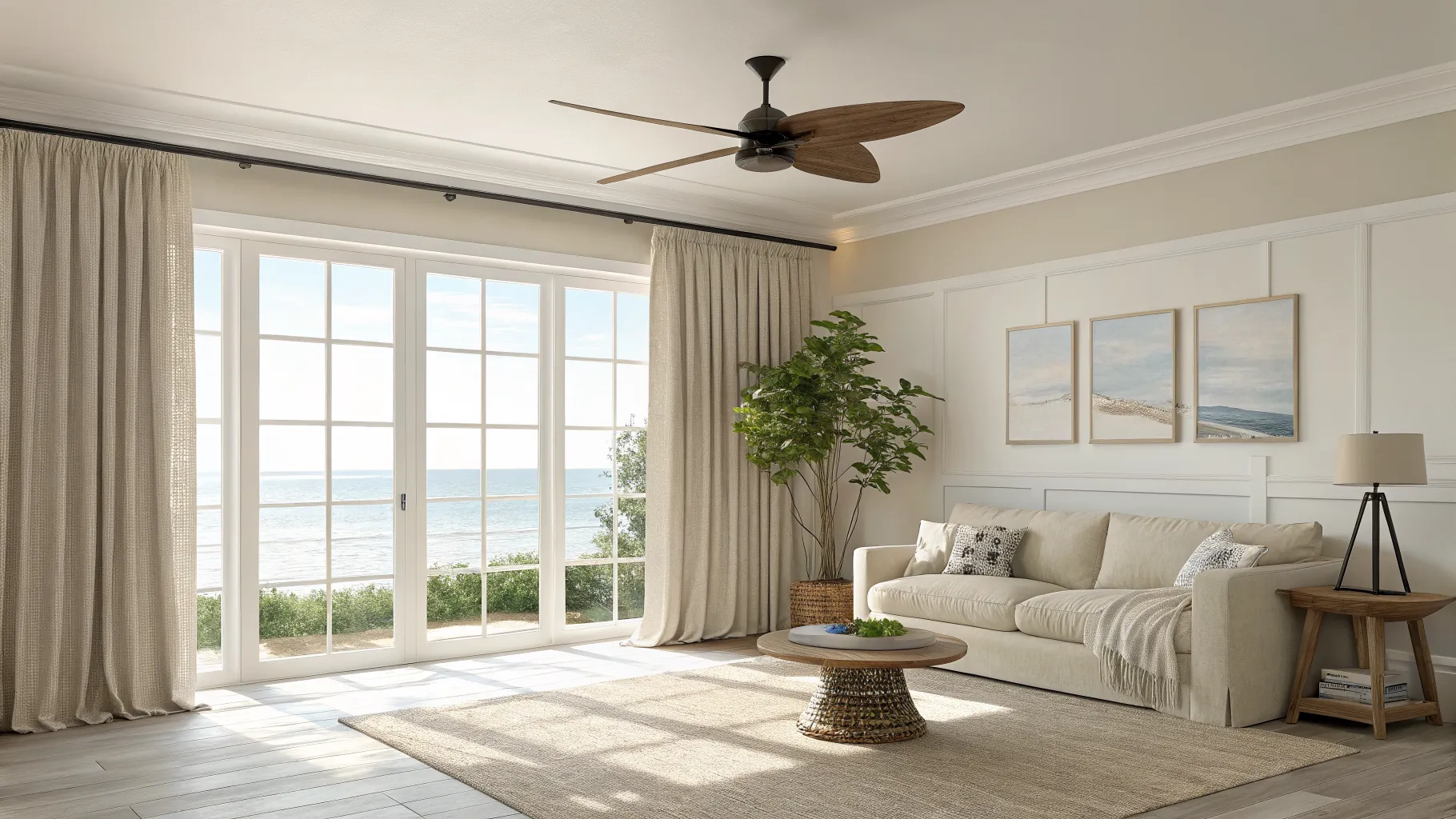
A significant amount of unwanted heat enters your home through its windows, especially those facing south and west. The most effective first step is to block this direct sunlight during the hottest parts of the day. Closing curtains and blinds can make a substantial difference. For even better results, consider using blackout curtains, which are designed with a special lining to block sunlight and insulate the room.
Reflective window films are another excellent option. These films are applied directly to the glass and work by reflecting solar radiation before it can heat your home. They are particularly useful for windows that receive intense, prolonged sun exposure. During cooler evening and early morning hours, you can open the windows and curtains to allow cooler air to circulate, but be sure to close them again before the outdoor temperature begins to climb.
Optimize Airflow and Ventilation
Moving air feels cooler on the skin, and you can use fans to your advantage. For maximum effect, create a cross-breeze by placing fans near open windows to push hot air out and pull cooler air in. This is most effective during the cooler parts of the day, such as early morning or after sunset. A ceiling fan, set to run counter-clockwise in the summer, will push cool air down, creating a pleasant breeze.
If you don't have an air conditioner, you can create a makeshift version. Place a large bowl of ice or a few frozen water bottles in front of a portable fan. As the ice melts, the fan will blow the cooler air from the evaporating water into the room. It’s a simple trick that can provide temporary relief in a specific area, like a desk or a bedside table, making a stuffy room feel more comfortable.
Reduce Heat from Appliances
Many common household appliances generate a surprising amount of heat when they are running. The oven and stovetop are major culprits, so try to avoid using them during a heatwave. Instead, opt for meals that don't require cooking, or use smaller appliances like a microwave, slow cooker, or outdoor grill which produce less ambient heat.
Other appliances also contribute to indoor heat. It's best to run your dishwasher and clothes dryer during the cooler evening hours. Even smaller electronics like computers and televisions generate heat, so turn them off when not in use. Unplugging chargers and other devices that are on standby can also help reduce minor heat sources and save energy at the same time.
Use Water for Natural Cooling
Evaporation is a natural cooling process, and you can use it to lower the temperature in your home and on your body. Taking a cool shower or bath can provide immediate relief by lowering your core body temperature. If you don't have time for a full shower, even running cool water over your wrists or placing a damp cloth on your neck and forehead can be very effective.
You can also apply this principle to your home. Lightly misting your curtains with cool water can help cool the air as it passes through the window. Hanging damp sheets in front of an open window can have a similar effect, creating a gentle, cooled breeze as the air flows through the moist fabric. This method works best in dry climates.
Strategically Use Your Living Space
Heat rises, which means the lower levels of your home will naturally be cooler than the upper floors. If you have a multi-story home, try to spend most of your time on the ground floor or in the basement during the hottest part of the day. This simple change can make a significant difference in your personal comfort level without any additional effort.
Another strategy is to contain the cool air in the rooms you use most frequently. Close the doors to unused rooms to prevent the cooler air from dispersing throughout the house. This makes it easier for your fans or cooling systems to maintain a comfortable temperature in a smaller, concentrated area. Also, check for and seal any air leaks around windows and doors with weatherstripping to keep hot air out and cool air in.
Consider Long-Term Exterior Solutions
While immediate fixes are helpful, thinking about long-term solutions can make future heatwaves more manageable. Strategic landscaping can provide excellent natural cooling. Planting deciduous trees on the south and west sides of your home will offer shade in the summer but allow sunlight to warm your house in the winter after they lose their leaves.
Exterior coverings for windows are also highly effective because they block the sun's heat before it even reaches the glass. Options to explore include:
- Awnings
- Exterior shutters
- Outdoor blinds or shades
These additions can significantly reduce solar heat gain and lower your reliance on indoor cooling systems. While they represent a larger investment, they can improve comfort and energy efficiency for years to come.