Recognizing the Early Warning Signs and Symptoms of a Stroke
A stroke occurs when the blood supply to part of the brain is interrupted or reduced, preventing brain tissue from getting oxygen and nutrients. Brain cells begin to die in minutes. Recognizing the early warning signs of a stroke is critical, as prompt treatment can minimize brain damage and potential complications. Knowing what to look for could save a life or prevent long-term disability.
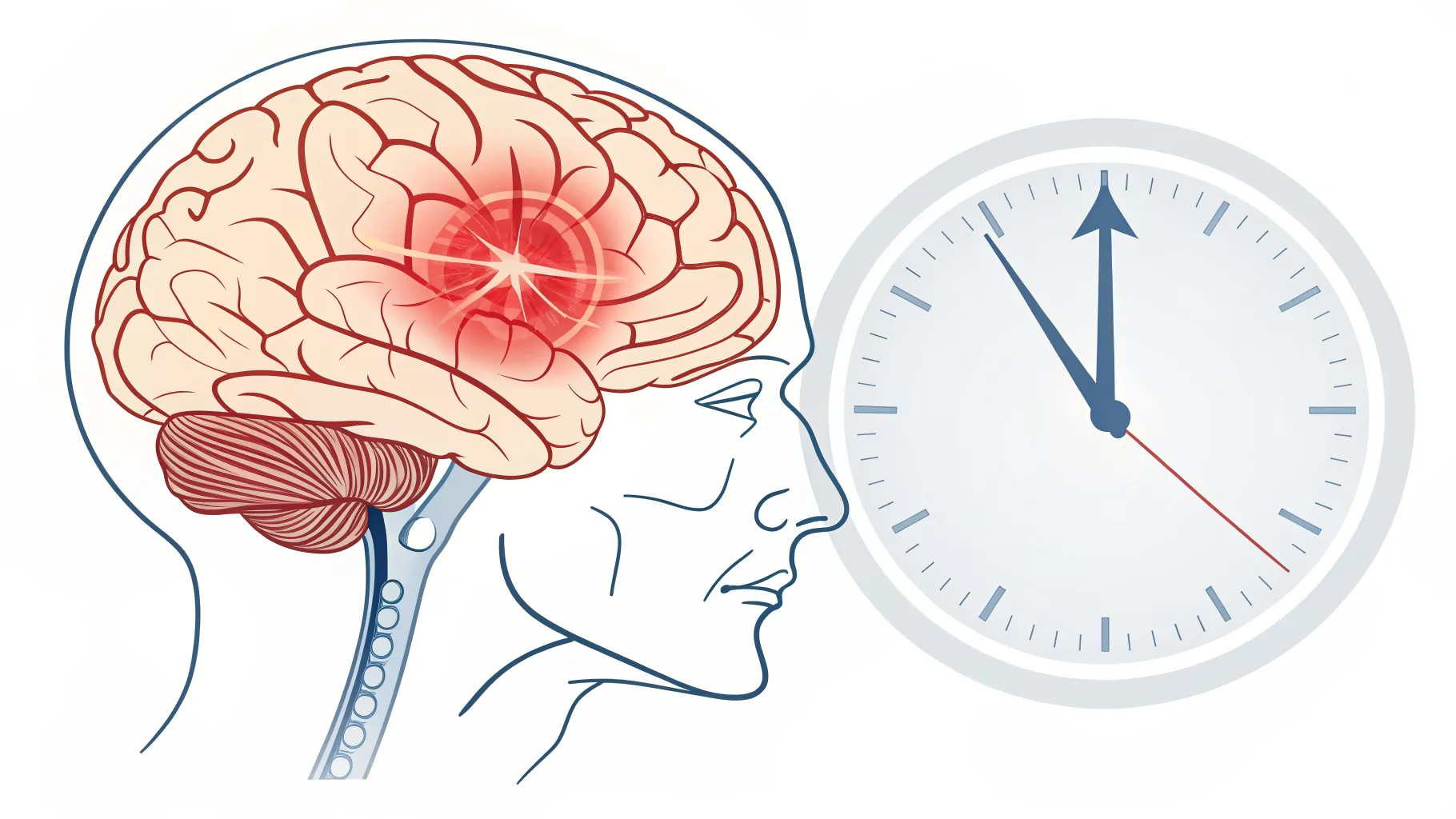
The FAST Acronym for Stroke Detection
Medical professionals globally recommend the FAST acronym as a simple tool to help anyone remember the most common signs of a stroke. This memory aid is highly effective for quickly assessing whether someone might be experiencing a neurological emergency.
- Face drooping: One side of the face may sag or become numb. Asking the person to smile can reveal an uneven expression.
- Arm weakness: One arm may drift downward when the person tries to raise both arms. Numbness is also a common complaint.
- Speech difficulty: Slurred speech or an inability to form coherent sentences indicates a problem. Asking them to repeat a simple phrase can help confirm this.
- Time to call emergency services: If any of these signs are present, immediate medical attention is required.
Sudden Numbness or Weakness in the Body
One of the most frequent early stroke signs is a sudden loss of strength or sensation. This symptom typically affects only one side of the body, creating a stark contrast between the left and right sides. The sudden onset is what distinguishes it from other conditions that might cause gradual weakness.
A person might suddenly find themselves unable to grip an object, or they might feel their leg give out while walking. The numbness can feel similar to the sensation of a limb falling asleep, but it does not resolve with movement. Testing motor function by asking the individual to squeeze your hands or lift their legs can help identify this unilateral weakness.
Confusion and Trouble Speaking or Understanding
A stroke can severely disrupt the communication centers of the brain. This disruption often manifests as sudden confusion or an inability to speak clearly. The affected individual might know what they want to say but find that the wrong words come out, or their words might be completely slurred and unintelligible.
In addition to speaking difficulties, a person experiencing a stroke might struggle to understand what others are saying. This condition, known as aphasia, can be incredibly frustrating and frightening for the patient. They might look puzzled when asked simple questions or fail to follow basic instructions, signaling a serious cognitive impairment.
Vision Problems in One or Both Eyes
Visual disturbances are another critical warning sign that should never be ignored. A stroke can cause sudden blurred vision, blackened vision, or double vision. These changes can occur in just one eye or affect both eyes simultaneously, depending on which area of the brain is being deprived of blood.
Unlike typical eye fatigue, these vision problems appear almost instantaneously. A person might report that it looks as though a shade has been pulled down over their field of vision. Since the optic nerves are directly connected to the brain, any sudden change in visual acuity is a strong indicator of a potential cerebrovascular event.
Loss of Balance and Coordination
Sudden dizziness, loss of balance, or a complete lack of coordination can also point to a stroke. This is especially true if the stroke occurs in the cerebellum, the part of the brain responsible for controlling motor movement and balance. A person might suddenly stumble, feel immense vertigo, or be completely unable to walk in a straight line.
While dizziness can be caused by many less severe conditions, it becomes a major red flag when accompanied by other stroke symptoms. If the sudden loss of balance is paired with weakness, visual changes, or a headache, it is highly likely that a stroke is occurring. Observing how a person walks or stands can provide vital clues.
Severe and Unexplained Headaches
A sudden, exceptionally severe headache is a classic symptom of a hemorrhagic stroke, which occurs when a blood vessel in the brain bursts. Patients and medical professionals often describe this specific type of pain as the worst headache of a person's life. It strikes without any prior warning or known cause.
This intense head pain is frequently accompanied by other alarming symptoms. A person might experience severe vomiting, periods of dizziness, or an altered state of consciousness. Unlike tension headaches or migraines that build over time, this headache reaches its peak intensity almost immediately, signaling a critical brain emergency.