Effective Ways to Reduce Wrinkles and Maintain Healthy Skin
Wrinkles are a natural part of the aging process, reflecting a life full of expressions and experiences. However, many people seek out ways to reduce wrinkles and maintain a smoother complexion as they age. Understanding the underlying causes of skin aging and adopting a comprehensive approach to skincare can significantly influence how the skin looks and feels over time.
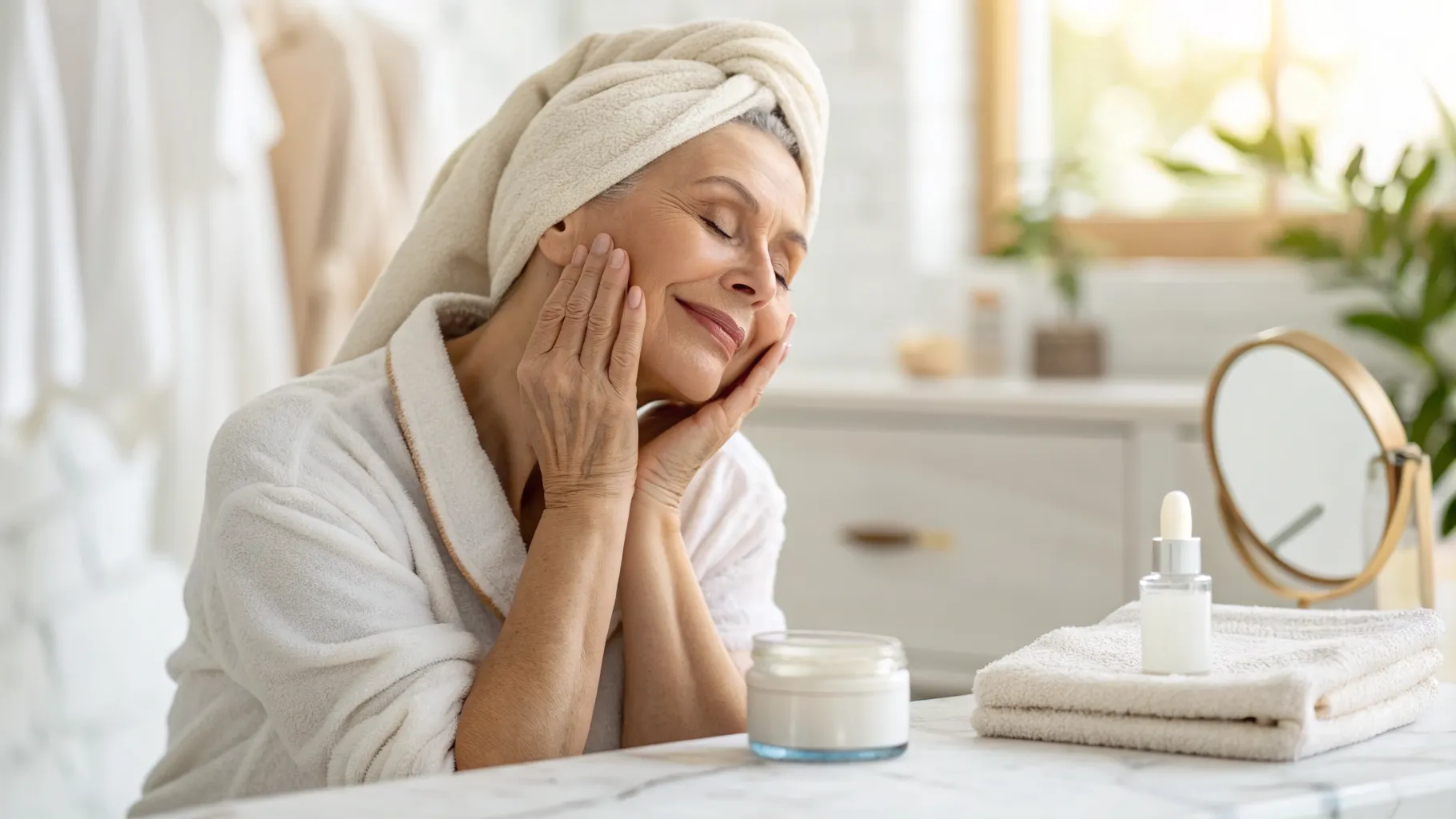
Understanding the Causes of Skin Aging
Before exploring wrinkle care tips, it is helpful to understand why skin changes over time. The primary factor is the natural depletion of collagen and elastin, which are proteins that give skin its structure and bounce. As people grow older, the body produces less of these essential components, leading to a loss of firmness and the gradual formation of fine lines.
External factors also play a massive role in skin aging. Prolonged sun exposure, environmental pollutants, and lifestyle choices like smoking can accelerate the breakdown of collagen. By recognizing these contributing elements, individuals can make more informed choices about their daily habits and protective measures.
Sun Protection as a Daily Priority
The most universally recommended method to reduce wrinkle appearance is consistent sun protection. Ultraviolet rays from the sun are responsible for a large percentage of premature skin aging, often referred to as photoaging. These rays penetrate the skin and damage collagen fibers, leading to deep creases and a loss of elasticity.
Dermatologists widely suggest wearing a broad-spectrum sunscreen every day, regardless of the weather or season. Adopting this habit is crucial for long-term skin health.
- Apply sunscreen with an SPF of 30 or higher on a daily basis.
- Reapply every two hours if spending extended time outdoors.
- Wear protective clothing like wide-brimmed hats and sunglasses to shield the delicate skin around the eyes.
Establishing a Hydrating Skincare Routine
Proper hydration is a cornerstone of effective skin care for wrinkles. When skin lacks moisture, it can appear dull and shriveled, making fine lines stand out more prominently. Hydrating ingredients help to plump the skin temporarily, which can soften the look of existing creases and provide a healthier overall texture.
Incorporating a well-formulated moisturizer into a morning and evening routine is a fundamental step. Ingredients such as hyaluronic acid and glycerin are known for their ability to attract and bind water to the skin. Keeping the skin barrier nourished and hydrated creates an environment where skin cells can function optimally.
The Role of Retinoids and Antioxidants
When researching facial wrinkle tips, retinoids frequently emerge as a highly studied and effective option. Derived from vitamin A, retinoids work by encouraging cellular turnover and stimulating collagen production. This process helps to shed older skin cells more rapidly and reveals fresher, smoother skin underneath.
Alongside retinoids, antioxidants like vitamin C are valuable additions to a skincare regimen. Antioxidants neutralize free radicals caused by UV exposure and pollution, which would otherwise degrade the skin structure. Using an antioxidant serum in the morning and a retinoid product at night is a common and effective strategy for long-term skin maintenance.
Lifestyle Adjustments for Healthier Skin
Skincare products are only one part of the equation when managing the visible signs of aging. Daily lifestyle habits have a profound impact on skin health and its ability to repair itself. A diet rich in fruits, vegetables, and healthy fats provides the necessary vitamins and minerals that support collagen synthesis and fight oxidative stress from the inside out.
Adequate sleep and stress management are equally critical. During deep sleep, the body undergoes a repair process, releasing human growth hormone which aids in cell reproduction and turnover. Conversely, chronic stress elevates cortisol levels, a hormone that can break down collagen over time. Finding healthy ways to relax and prioritizing rest are excellent, holistic ways to reduce wrinkles.
Exploring Professional Dermatological Treatments
For those looking for more pronounced results than topical treatments can provide, various professional procedures are available. Dermatologists and licensed aestheticians offer treatments that target the deeper layers of the skin. These options often focus on resurfacing the skin or stimulating massive collagen production to smooth out deeper folds.
Some common professional interventions include chemical peels, microneedling, and laser therapy. Chemical peels remove the outermost layers of dead skin, while microneedling uses tiny needles to create micro-injuries that trigger the healing process. Laser treatments can precisely target specific concerns. Anyone considering these methods should consult with a certified professional to determine the safest and most appropriate approach for their unique skin type.