10 Ways to Make Your Home Look Expensive
Creating a luxurious atmosphere is often about attention to detail rather than spending a fortune. A few calculated adjustments to your living space can completely shift its energy and aesthetic. The secret lies in understanding how light, texture, and scale work together to create an expensive looking home.
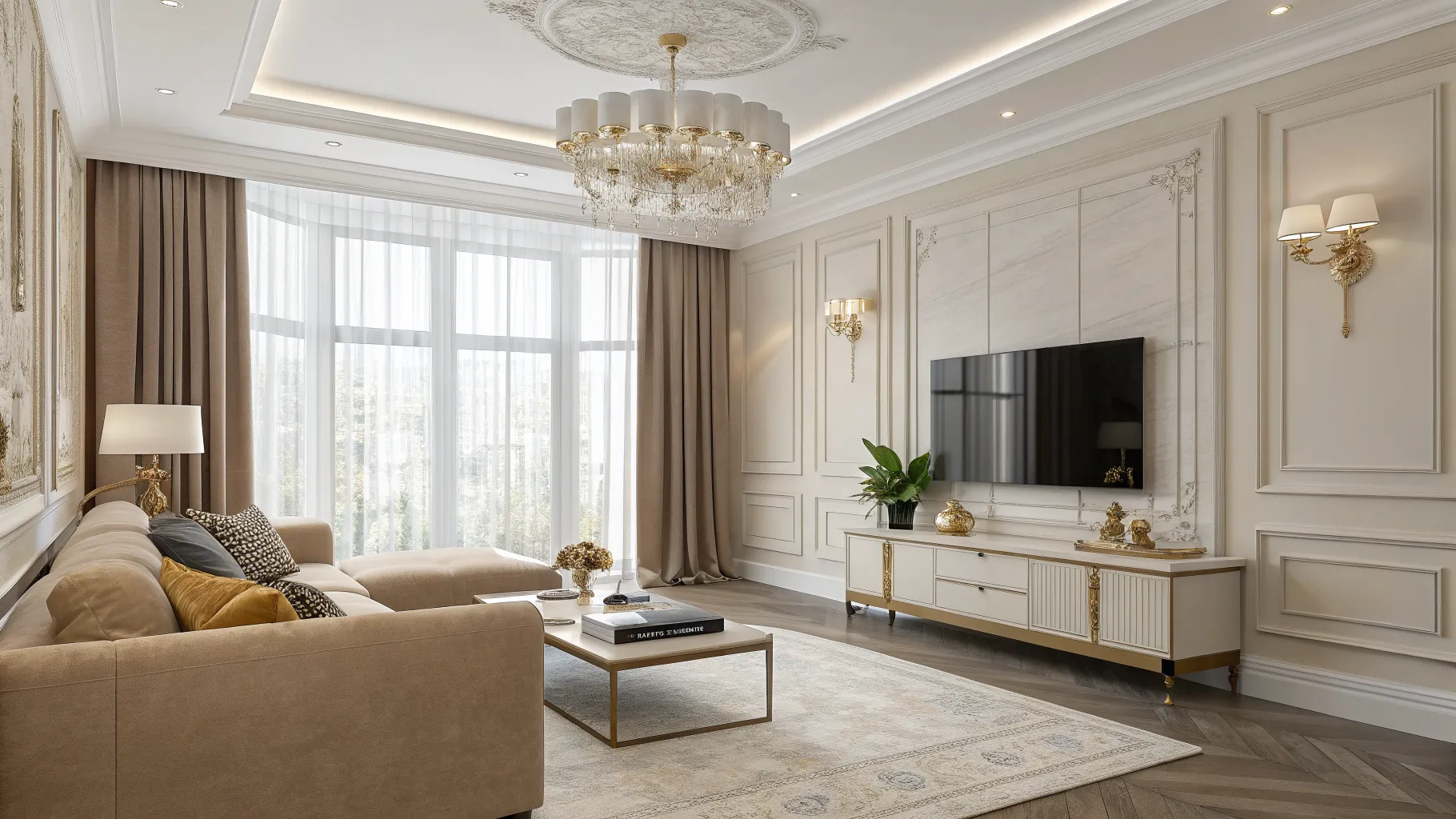
Focus on a Neutral Color Palette
Neutral colors are the foundation of many elegant home ideas. Shades like warm beige, crisp white, soft gray, and taupe create a cohesive and calming environment. These tones reflect light beautifully, making spaces appear larger and more open.
When using a neutral palette, the room feels instantly more curated and intentional. You can add depth by layering different shades of the same color family rather than relying on high-contrast combinations. This approach mimics the sophisticated styling often seen in high-end boutique hotels.
Upgrade Your Lighting Fixtures
Builder-grade lighting can easily date a home and diminish its overall appeal. Swapping out standard flush mounts and basic ceiling fans for statement chandeliers or sleek pendants is a highly effective home decor upgrade.
Layered lighting is also essential for a high-end feel. Consider incorporating the following types of lighting:
- Ambient lighting for overall illumination and warmth.
- Task lighting for specific areas like reading nooks or kitchen counters.
- Accent lighting to highlight artwork, architectural features, or shelving.
Incorporate Large Scale Art
A single oversized piece of art often looks much more expensive than a gallery wall of smaller, mismatched frames. Large scale artwork creates a focal point and gives a room a gallery-like presence. It draws the eye and anchors the space beautifully.
You do not need to purchase original museum pieces to achieve this look. Many digital artists sell large prints that can be affordably framed in simple, thin metal or wood profiles. The key is to ensure the art is appropriately sized for the wall it occupies.
Add Crown Molding and Millwork
Architectural details are a hallmark of custom, luxury homes. Adding crown molding, wainscoting, or board and batten can dramatically change the character of a basic room. These additions provide a sense of history and craftsmanship.
While solid wood millwork can be costly, there are many medium-density fiberboard and polyurethane options that look identical once painted. Installing these elements in dining rooms, living rooms, or entryways instantly elevates the perceived value of the property.
Declutter and Simplify Surfaces
The most budget-friendly way to make your home look expensive is simply to remove excess clutter. Luxury spaces are characterized by their breathing room and curated displays. Too many items on a coffee table or kitchen counter can make a space feel chaotic and unrefined.
Adopt a minimalist approach when styling surfaces. Group items in odd numbers, such as threes or fives, and vary their heights for visual interest. A simple vase with fresh greenery alongside a couple of stacked coffee table books is often all you need.
Update Hardware and Faucets
Kitchens and bathrooms can be updated significantly just by changing the hardware. Cabinet knobs, drawer pulls, and sink faucets act as the jewelry of the room. Replacing outdated, tarnished pieces with modern alternatives is a quick weekend project.
Consider finishes that exude luxury and timelessness. Some popular options include:
- Brushed brass for a warm and classic look.
- Matte black for a sleek and modern edge.
- Polished nickel for a sophisticated and traditional feel.
Use Floor to Ceiling Window Treatments
Standard curtains hung just above the window frame can make ceilings look lower and the room feel smaller. To create an expensive looking home, hang your curtain rods as close to the ceiling as possible and let the fabric pool slightly on the floor.
This optical illusion draws the eye upward, mimicking the grandeur of high ceilings. Opt for medium to heavy-weight fabrics like linen, velvet, or cotton blends. Avoid sheer, flimsy materials that lack the structure needed for an elegant drape.
Invest in Quality Textures and Fabrics
The tactile experience of a room contributes heavily to its overall sense of luxury. Flat, synthetic fabrics can detract from an otherwise well-designed space. Incorporating rich textiles adds depth and comfort to your seating areas and bedrooms.
Layering different textures is a fundamental technique in home styling ideas. Mix and match materials such as a chunky knit throw, velvet throw pillows, and a natural jute rug. This combination ensures the room feels inviting, complex, and expertly designed.
Upgrade Interior Doors and Hardware
Standard hollow-core doors are common in many homes but offer little in terms of acoustic insulation or aesthetic appeal. Upgrading to solid core doors with paneling can make a substantial difference in how a house feels and sounds. The added weight simply feels more premium.
If replacing all the doors is out of the question, giving them a fresh coat of high-quality paint and swapping the doorknobs can also work wonders. A heavy, well-designed lever or knob in a matching finish throughout the house creates a seamless, upscale flow.
Bring in Fresh Greenery and Florals
Professional interior designers almost always finish a room with a touch of life. Fresh flowers or healthy, vibrant houseplants breathe energy into stagnant corners. They add an organic shape that softens the hard lines of furniture and architecture.
If you do not have a green thumb, opt for high-quality faux branches like olive or eucalyptus placed in a sturdy ceramic vase. A large, oversized branch arrangement on a dining table or kitchen island instantly commands attention and looks incredibly sophisticated.