A Comprehensive Guide to Wet Cat Food Ranking and Selection
Choosing the best nutrition for a feline companion often involves sifting through endless brands and formulations. A proper wet cat food ranking provides valuable insights into the quality, nutritional value, and ingredient transparency of different products on the market. By understanding the criteria used to evaluate these meals, pet owners can make informed decisions that support the health and well-being of their cats.
Understanding Wet Cat Food Nutrition
Cats are obligate carnivores, meaning their bodies are designed to process and thrive on animal-based proteins. Wet cat food generally provides a higher moisture content than dry kibble, which is highly beneficial for feline kidney and urinary tract health. Because many cats do not drink enough water on their own, incorporating moisture-rich meals into their daily routine is a practical way to keep them hydrated.
Beyond hydration, high-quality wet foods typically contain fewer carbohydrates than dry foods. A natural feline diet requires minimal carbohydrates, and excess carbs can contribute to weight gain and metabolic issues. When looking at a canned cat food ranking, the top contenders usually prioritize a high ratio of meat to plant ingredients, reflecting a biologically appropriate nutritional profile.
Key Factors in a Wet Cat Food Ranking
When experts and nutritionists compile a soft cat food guide or ranking, they evaluate several specific criteria. The most prominent factor is the quality of the primary ingredients. Whole meats, such as chicken, turkey, beef, or salmon, should always be listed at the very beginning of the ingredient panel. Meat by-products are not inherently dangerous, but heavily processed or unnamed meat meals often lower a brand rating.
Another crucial factor is the presence of essential nutrients. Cats require specific vitamins and amino acids, such as taurine, arachidonic acid, and vitamin A, which they cannot synthesize adequately on their own. A reliable wet cat food comparison will always verify that a product meets the nutritional levels established by recognized veterinary and feeding authorities, ensuring it provides complete and balanced daily nutrition.
Exploring Different Wet Cat Food Textures
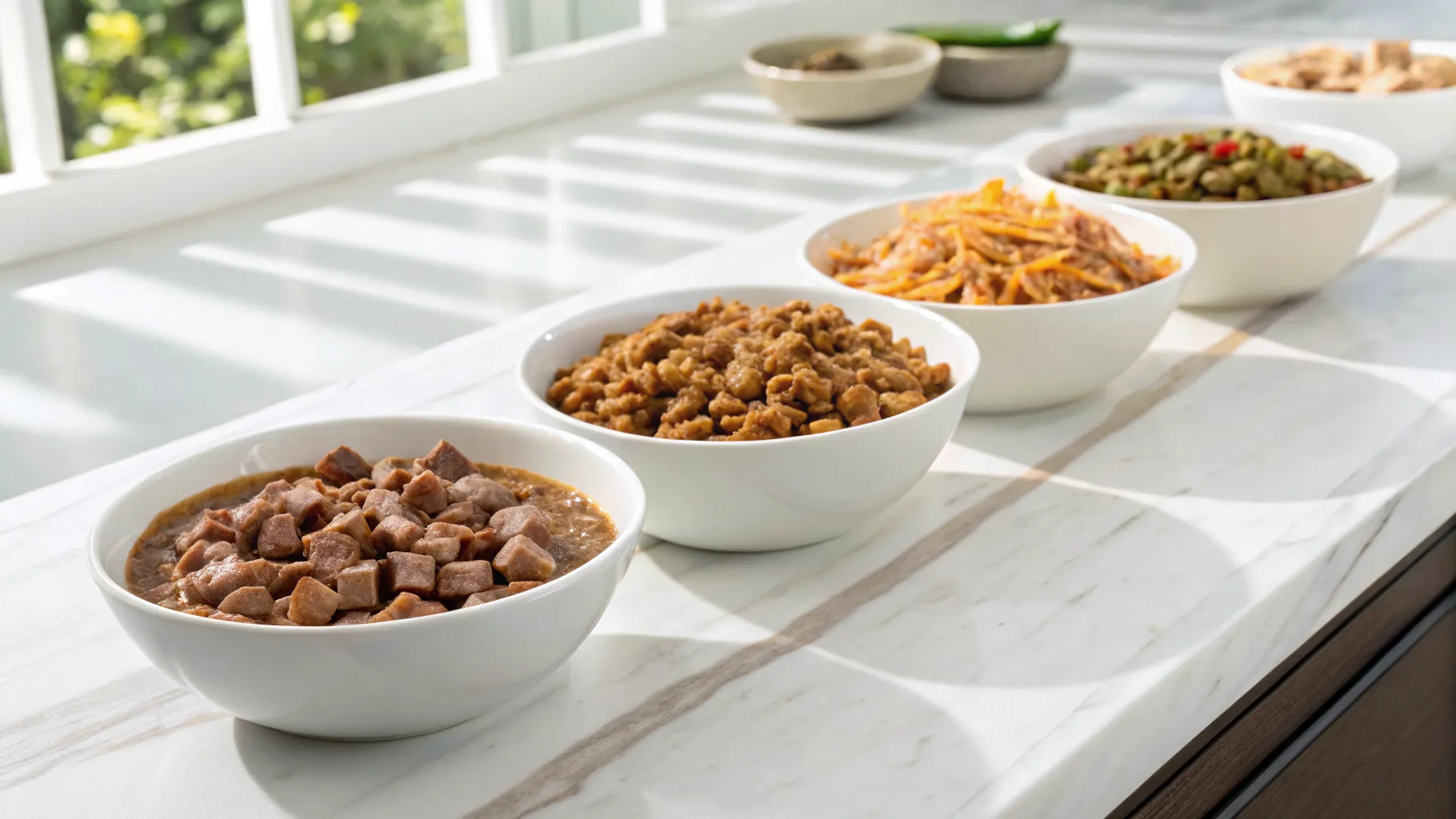
Wet cat food brands manufacture their products in various textures to appeal to different feline preferences. Cats can be notoriously picky eaters, so understanding the available options can help owners find a consistency their pet will actually enjoy eating. Popular textures evaluated in a standard wet cat food ranking include:
- Pate: A smooth, uniform mixture that is easy to eat and often very dense in calories and nutrients.
- Shredded: Long, thin pieces of meat served in a light broth or gravy, mimicking the texture of natural prey.
- Minced or Diced: Small, uniform cubes of meat often mixed with a thicker sauce, providing a slightly chewy texture.
- Flaked: Flat, thin pieces of fish or poultry that easily break apart, commonly found in seafood-based recipes.
The Role of Protein Sources in Feline Diets
The type of protein used in a wet cat food formula heavily influences its nutritional value and digestibility. Poultry, such as chicken and turkey, is a staple in many highly rated recipes because it is generally easy for cats to digest and provides a robust amino acid profile. Beef and lamb are also common, though they can be richer and might not suit cats with sensitive stomachs.
Seafood is another popular protein source, but it is often recommended in moderation. While fish like salmon and tuna provide excellent omega fatty acids for a healthy coat, excessive consumption of certain fish can lead to dietary imbalances or expose cats to heavy metals. The best wet cat food brands often offer a rotation of different protein sources to ensure a well-rounded diet and prevent the development of food allergies over time.
Ingredients to Watch Out For
Not all ingredients found in commercial cat food serve a nutritional purpose. Many lower-ranked options contain fillers and artificial additives designed to improve the visual appeal of the food or extend its shelf life rather than nourish the animal. When reviewing a canned cat food ranking, you will likely see deductions for the following components:
- Artificial colors and flavors: Cats do not care about the color of their food, making these chemical additions completely unnecessary.
- Thickening agents: Ingredients like carrageenan have been scrutinized for potentially causing gastrointestinal inflammation in some sensitive pets.
- High carbohydrate fillers: Corn, wheat, and soy offer little nutritional value to cats and are often used as cheap bulking agents.
- Unnamed meat sources: Labels that simply say meat or poultry without specifying the animal make it impossible to know what you are actually feeding your cat.
How to Use a Cat Food Comparison Guide Effectively
Reading a comprehensive cat food comparison can be overwhelming due to the sheer volume of information presented. The best approach is to identify the specific needs of your cat first. Consider factors such as age, weight, activity level, and any diagnosed medical conditions. A kitten will require a different macronutrient breakdown than a senior cat with renal concerns, meaning the top-ranked food overall might not be the best choice for your specific situation.
Once you have established your baseline requirements, use the rankings to filter out low-quality brands and narrow down your choices to a few reputable options. It is often wise to buy single cans of a few highly rated foods to test the preferences of your cat before committing to a bulk purchase. Monitoring coat quality, energy levels, and litter box habits after a diet change will ultimately tell you if you have found the right match.