A Guide to Floral Design Classes for Seniors
Working with flowers can be a wonderfully rewarding and therapeutic activity at any age. For seniors, floral design classes offer a unique opportunity to learn a new skill, express creativity, and connect with others. This guide provides an overview of what these classes entail and how you can get started on your floral arrangement journey.
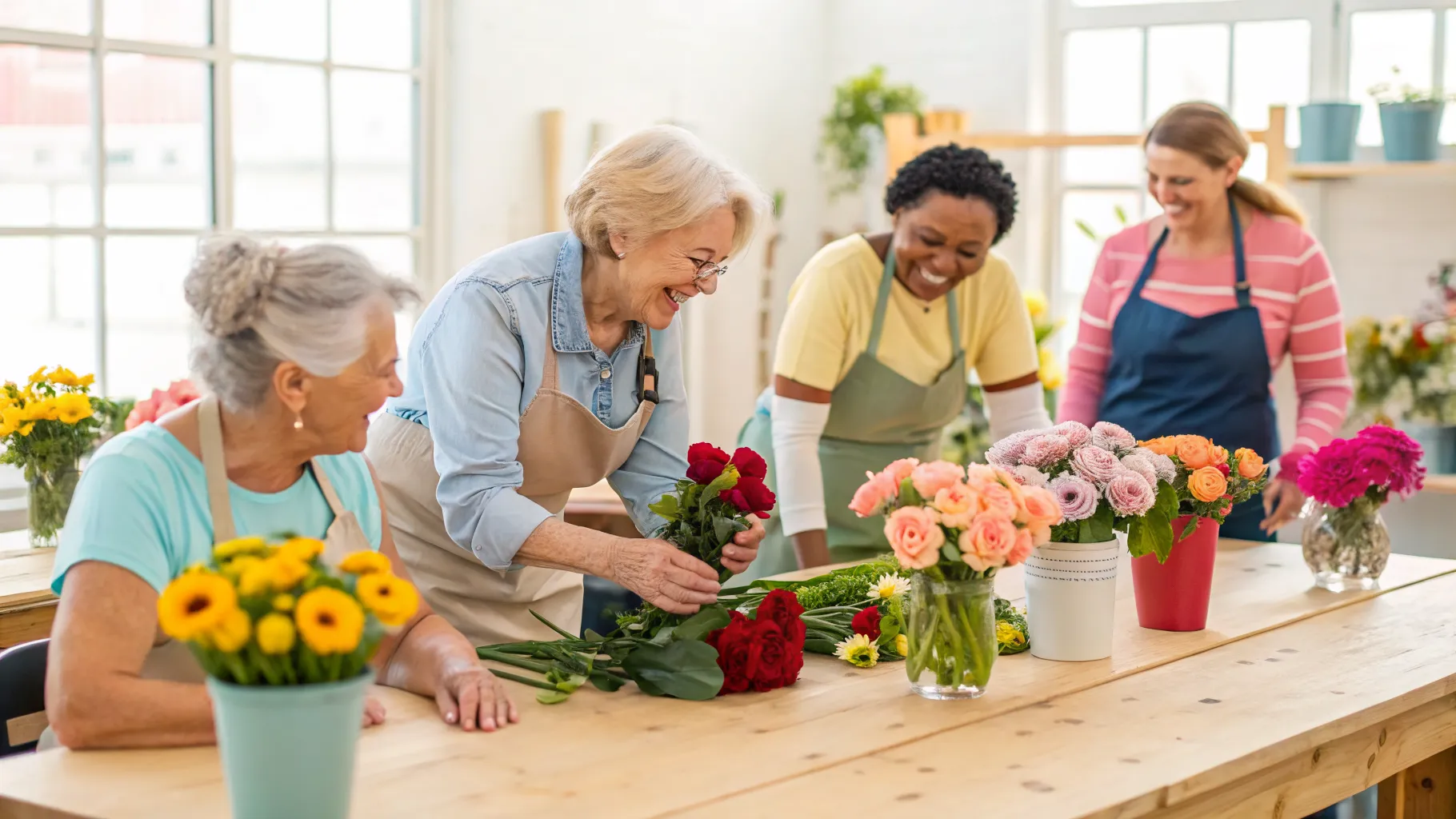
The Many Benefits of Floral Arrangement for Seniors
Engaging in creative hobbies is linked to improved well-being, and floral design is no exception. For older adults, these classes provide a host of mental, social, and physical benefits. The process of selecting flowers, considering colors and textures, and arranging them into a cohesive design stimulates cognitive function and encourages problem-solving. It's a gentle and enjoyable way to keep the mind active.
Beyond the mental stimulation, these classes are excellent social outlets. They offer a structured and welcoming environment to meet new people who share a common interest. This can help reduce feelings of isolation and foster a sense of community. The physical aspect of handling flowers and tools also helps maintain fine motor skills and dexterity in a low-impact, relaxing way.
What to Expect in a Beginner's Class
If you're new to floral design, a beginner's class is the perfect place to start. You don't need any prior experience. Instructors typically begin by introducing the basic tools of the trade, such as floral shears, wire cutters, and floral foam. They will also cover how to properly care for and handle fresh-cut flowers to maximize their lifespan.
The core of the class will focus on fundamental design principles. You'll learn about color theory, balance, proportion, and texture. Through hands-on practice, you will create your very own arrangement to take home. Most beginner workshops are designed to be fun, supportive, and stress-free, with the instructor providing step-by-step guidance.
Types of Floral Design Classes Available
Floral design is a diverse art form, and the classes available reflect this variety. You can find options to suit different interests, time commitments, and skill levels. Many places offer one-time workshops, which are great for trying out the hobby without a long-term commitment. These are often themed around a specific holiday, season, or type of arrangement, such as a Thanksgiving centerpiece or a spring bouquet.
For those who wish to delve deeper, multi-week courses are also common. These allow for a more comprehensive exploration of different techniques and styles, from traditional Western designs to the minimalist principles of Japanese Ikebana. Some classes might focus on specific skills like creating hand-tied bouquets, corsages, or large-scale arrangements.
Where to Find Floral Design Classes
Finding a floral design class in your area is often easier than you might think. Many community and senior centers offer a variety of recreational courses, including floral arrangement, specifically for older adults. These are often very affordable and are a great way to connect with local peers.
Other excellent places to look include:
- Local florists and flower shops often host their own workshops.
- Botanical gardens and arboretums frequently have robust educational programs.
- Community colleges may offer non-credit continuing education courses in horticulture or floral design.
- Craft stores and garden centers sometimes provide in-store classes and demonstrations.
Exploring Online Courses and Resources
For those who prefer learning from home, the internet offers a wealth of options. Many floral designers and educational platforms provide online video courses that you can follow at your own pace. The main advantage is flexibility; you can learn whenever and wherever you choose. These courses often include detailed video tutorials, downloadable guides, and lists of materials you'll need.
However, there are a few things to consider with online learning. You will be responsible for sourcing your own flowers and supplies, which can be an added step. You also won't have the immediate, in-person feedback from an instructor. When choosing an online course, look for one with clear, high-quality videos, positive reviews, and perhaps a community forum where you can ask questions and share your work with other students.
Tips for Choosing the Right Class
With so many options, it's important to find a class that fits your needs. First, consider your skill level and what you hope to gain. If you are a complete beginner, look for a class explicitly labeled as introductory. Next, think about the logistics. Check the location, time, and duration of the class to ensure it fits your schedule and is easily accessible.
Don't forget to inquire about what is included in the course fee. Most beginner workshops will provide all the necessary flowers, tools, and a vase, but it's always best to confirm. Finally, consider the class atmosphere. If possible, look for reviews or photos from past classes to get a sense of the teaching style and environment to ensure it feels like a comfortable and supportive place to learn.