Outdated Living Room Decor Trends to Avoid for a Modern Home
When designing a living room, it is easy to fall into the trap of adopting passing fads that quickly lose their appeal. Keeping a living room feeling fresh and welcoming often means recognizing when certain design choices have passed their prime. By understanding which dated living room styles to avoid, you can invest your time and energy into creating a space that feels both timeless and sophisticated.
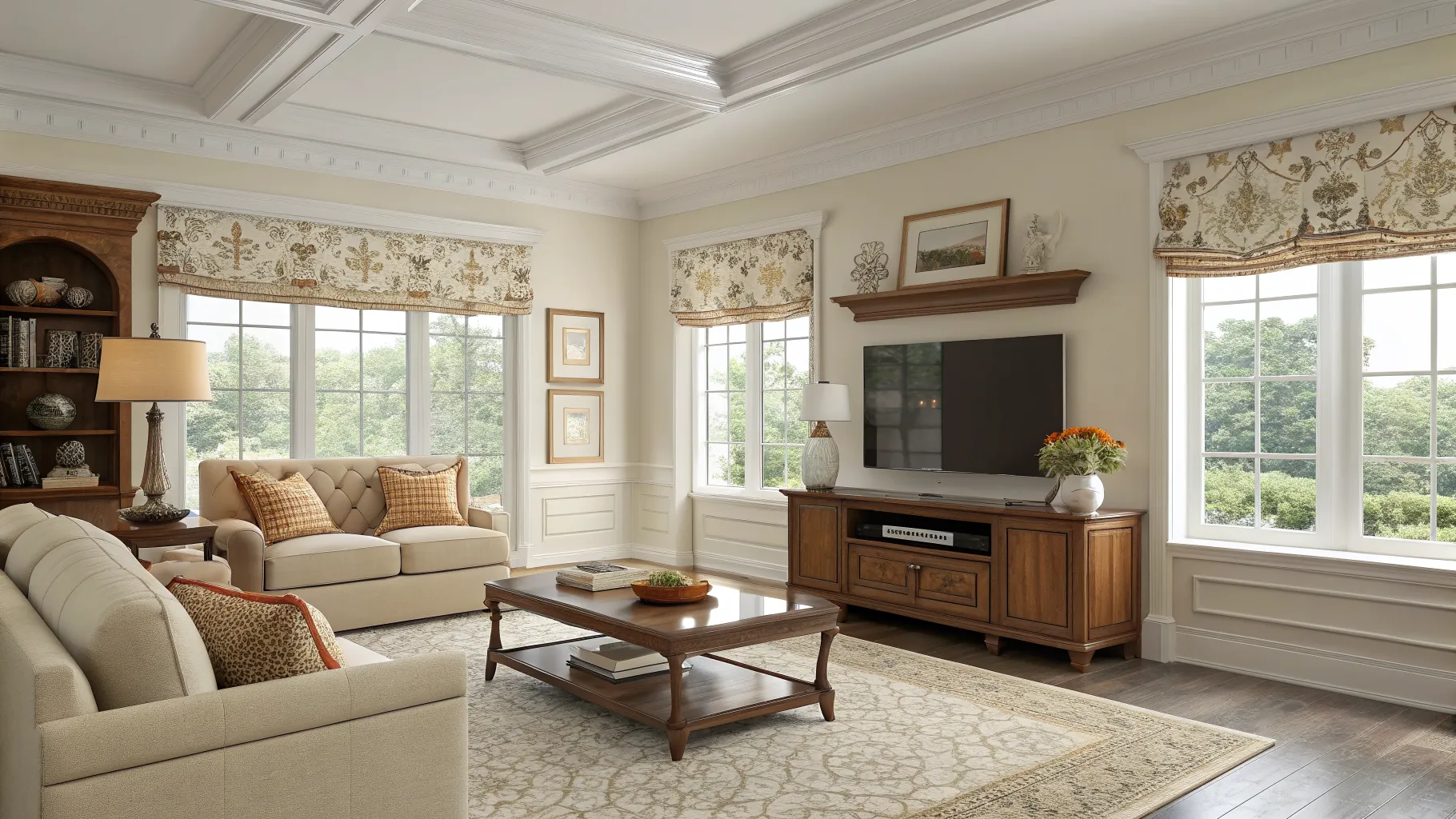
The Matching Furniture Set Trap
Buying an entire matching furniture suite used to be the easiest way to furnish a living room. Retailers would package a sofa, loveseat, and recliner in the exact same fabric and silhouette. While convenient, this approach often leaves a room feeling flat, generic, and uninspired.
Modern interior design favors a more curated look. Mixing and matching different textures, eras, and materials adds depth and personality to the space. Instead of a uniform set, consider pairing a classic fabric sofa with a pair of leather accent chairs or introducing different wood tones for coffee and side tables.
Overly Heavy Window Treatments
Heavy, ornate window treatments like thick valances, cascading swags, and heavily fringed drapes were once a hallmark of luxury living rooms. These dense layers tend to block out natural light and make spaces feel smaller and more constrained. They also collect dust easily, requiring frequent and tedious cleaning.
Today, the preference has shifted strongly toward maximizing natural light. Lighter, breezier window treatments are much more common and practical. Consider opting for simple linen panels, sheer curtains, or sleek Roman shades that offer privacy without weighing down the room visually.
Accent Walls in Hyper-Saturated Colors
The trend of painting a single wall in a bright, hyper-saturated color like lime green, fire engine red, or bright teal dominated the early two thousands. The intention was to create a bold focal point, but it frequently resulted in a jarring and disjointed aesthetic that distracted from the rest of the room.
If a focal point is desired, there are much more sophisticated ways to achieve it without relying on a shocking splash of paint. Textured wallpapers, wood paneling, or a large piece of statement art can draw the eye much more organically. If paint is preferred, enveloping the entire room in a moody, rich shade often looks much more intentional than a single bright accent wall.
Word Art and Inspirational Signage
Signs directing people to Gather, Laugh, or Live, Laugh, Love became incredibly ubiquitous in home decor over the past decade. Originally intended to add a cozy, personal touch, these mass-produced textual artworks have become one of the most widely recognized outdated living room decor trends. They often feel impersonal and can make a space resemble a commercial display rather than a unique home.
Instead of literally spelling out sentiments on the walls, homeowners are encouraged to express their personality through genuine art and photography. Framed family photos, vintage posters, or original canvas paintings tell a much more authentic story about the people who live in the home. A well-curated gallery wall provides visual interest and a genuine personal touch.
Clunky Media Consoles and Visible Wires
In the era of bulky tube televisions and extensive stereo systems, massive wooden entertainment centers were a necessity. Even as televisions became flat, oversized media consoles remained a staple. These large pieces of furniture dominate living rooms and make the space feel incredibly heavy and dated.
Contemporary living room design to avoid includes leaving a tangle of cords visible beneath wall-mounted screens. Technology has become sleeker, and the furniture supporting it should follow suit. Floating shelves, minimalist low-profile consoles, and built-in cable management systems help maintain a clean, uncluttered aesthetic that keeps the focus on the room itself rather than the electronics.
Faux Distressed and Shabby Chic Finishes
The shabby chic movement brought a wave of faux-distressed furniture into living rooms everywhere. Tables and cabinets were intentionally chipped, sanded, and painted to look older than they actually were. While it aimed for a relaxed, farmhouse vibe, the artificially aged look often ends up looking contrived and messy.
Authenticity is a major focus in current interior design. If an antique or vintage look is desired, sourcing genuinely old pieces with natural patina is a much better route. For new furniture, embracing the natural beauty of the materials is key. Solid woods with clear finishes or painted pieces with clean, crisp lines offer a much more refined and enduring style.