A Comprehensive Guide to a 40-Night Cruise from Southampton to New Zealand
Setting sail on a southampton to new zealand cruise is a monumental travel experience. Spanning over a month at sea, this voyage offers a unique blend of oceanic tranquility and diverse global exploration.
Understanding the Journey and Itinerary
A 40 night cruise covers a vast distance, crossing multiple oceans and time zones. The typical route often heads south from the United Kingdom, passing through the Mediterranean or along the western coast of Africa, before traversing the Indian Ocean or crossing the Atlantic and Pacific via the Panama Canal.
Because the exact path varies depending on the cruise line and the season, passengers should review the itinerary closely. Some routes favor a southern trajectory around the Cape of Good Hope, while others might transit through the Suez Canal. Each path offers a distinct set of cultural and geographical experiences.
Preparing for a Long Cruise from Southampton
Embarking on a long cruise from Southampton requires meticulous planning. Unlike a standard one week vacation, a voyage of this length means you will be away from home for an extended period, which necessitates organizing your personal affairs, finances, and medical needs well in advance.
- Ensure your passport is valid for at least six months beyond your final travel date.
- Arrange for sufficient prescription medications to last the entire trip, plus a buffer for emergencies.
- Notify your bank about your extensive travel plans to prevent any security holds on your credit cards.
Life on Board During a 40-Night Voyage
Spending forty days on a ship is a significant lifestyle adjustment. Modern vessels designed for extended voyages are equipped with extensive amenities to keep passengers comfortable and engaged. You will find libraries, fitness centers, enrichment lectures, and various dining venues to break up the routine of sea days.
Pacing yourself is vital when it comes to onboard activities and dining. It is easy to overindulge in the first few days, but establishing a healthy daily routine will make the extended time at sea much more enjoyable. Many experienced cruisers recommend finding a quiet spot on the ship to read or relax during busy sea days.
Navigating the Different Climates and Packing
A major challenge of this specific journey is packing for a multitude of climates. Departing from the UK, you might experience chilly and damp weather, but as you cross the equator, temperatures and humidity levels will rise significantly.
Layering is the most effective strategy for managing these shifts in weather. Instead of packing bulky winter coats, opt for lightweight, breathable layers that can be added or removed as needed. A reliable waterproof jacket, comfortable walking shoes for shore excursions, and formal wear for evening events on the ship are essential components of your wardrobe.
Exploring the Ports of Call Along the Way
The ports of call are a significant highlight of any extensive maritime journey. Depending on the chosen route, you might find yourself exploring bustling Asian metropolises, tranquil Caribbean islands, or historic European coastal cities before ever reaching the Southern Hemisphere.
Maximizing your time in these ports requires prior research. While ship sponsored excursions offer convenience and peace of mind, independent exploration can sometimes provide a more authentic experience. Always keep a close eye on the ship time versus local time to ensure you return well before departure.
Arrival and Disembarkation in New Zealand
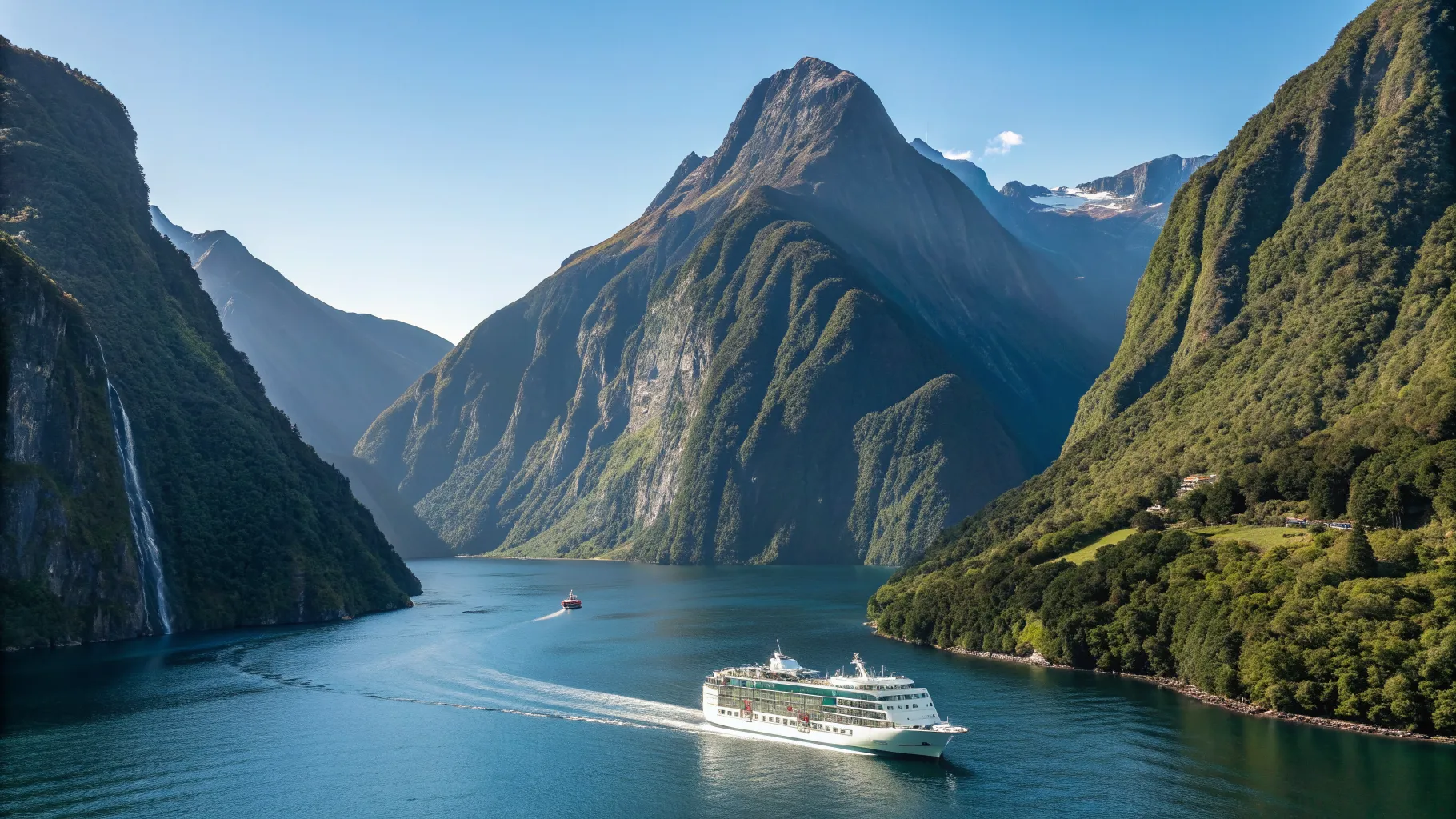
The culmination of your new zealand cruise from southampton is the arrival in the breathtaking landscapes of Aotearoa. Ships often arrive in major ports like Auckland, Wellington, or the stunning Fiordland National Park region, offering a dramatic welcome to the country.
Disembarkation after such a long journey involves standard customs and biosecurity checks, which are famously strict in New Zealand to protect their unique ecosystem. Passengers must declare all food items, outdoor equipment, and animal products. Being prepared for these rigorous checks will ensure a smooth transition from your maritime home to your onshore adventures.