Understanding the Warning Signs of a Leaky Heart Valve
The human heart relies on a precise system of valves to keep blood flowing in the correct direction. When one of these valves fails to close properly, blood can leak backward, creating a condition known medically as regurgitation. Recognizing the leaky heart valve signs is an important step in maintaining cardiovascular health and seeking appropriate care.
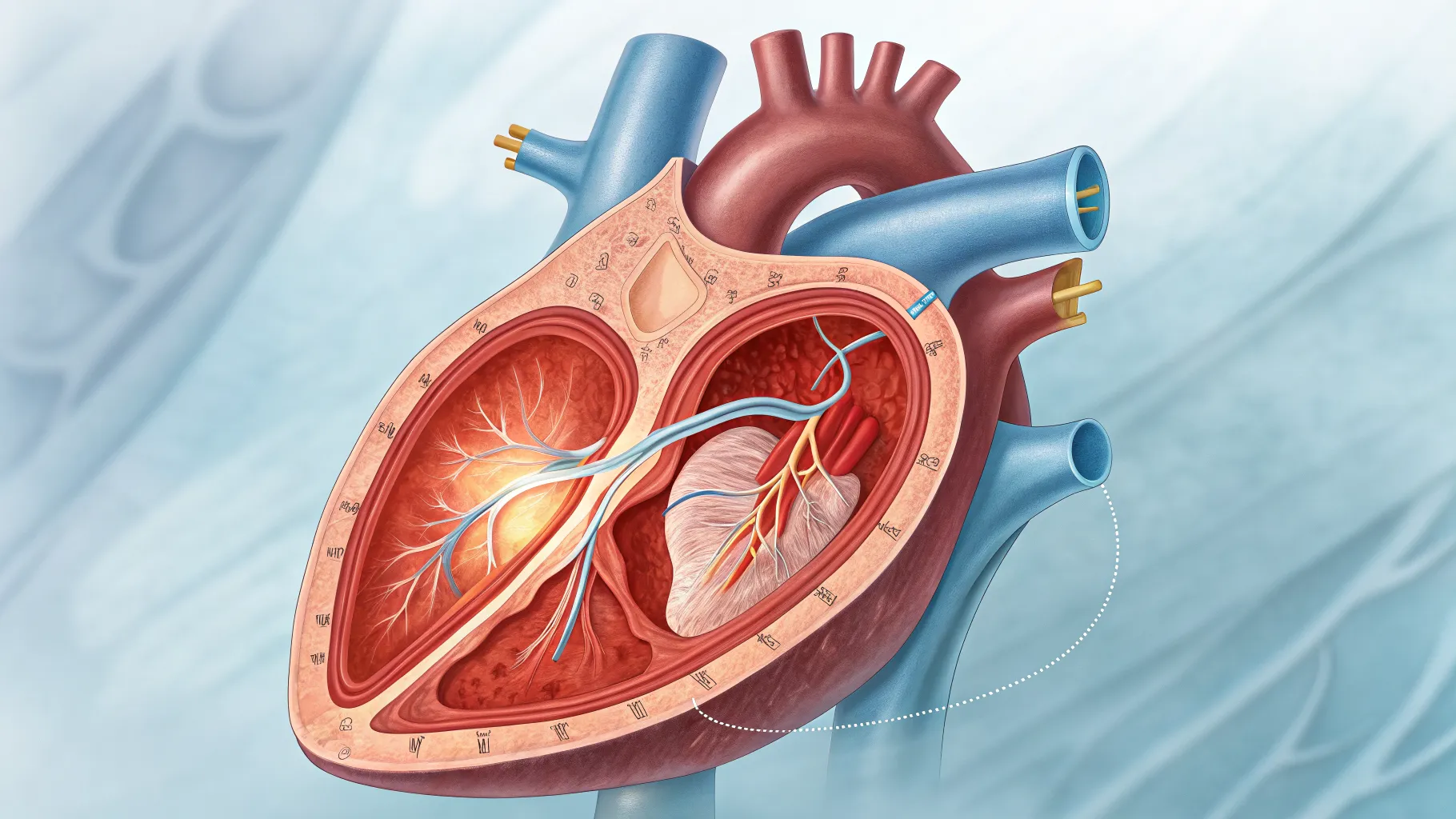
Understanding How a Leaky Heart Valve Functions
The heart contains four main valves: the tricuspid, pulmonary, mitral, and aortic valves. Each acts as a one-way door that opens to let blood pass through and closes tightly to prevent it from washing backward. When a valve becomes damaged or stretched, the seal is no longer airtight. This allows a portion of the blood to flow in the reverse direction with each heartbeat.
Because of this inefficiency, the heart must work harder to pump the same amount of blood to the rest of the body. Over time, this increased workload can cause the heart muscle to enlarge or thicken. While a mild leak might not produce any noticeable issues for years, a severe leak often leads to a cascade of physical symptoms as the cardiovascular system struggles to keep up with the demands of the body.
Shortness of Breath and Breathing Difficulties
One of the most prominent heart valve warning signs is a feeling of breathlessness, medically referred to as dyspnea. In the early stages, this might only occur during strenuous physical activities like climbing stairs or carrying heavy groceries. Individuals often mistake this for simply being out of shape, but a sudden decline in stamina can point to an underlying valve issue.
As the condition progresses, shortness of breath may happen during minimal exertion or even while at rest. Some people experience a specific type of breathlessness called orthopnea, which occurs when lying flat in bed. This happens because fluid can pool in the lungs when the body is horizontal, forcing the person to prop themselves up with extra pillows just to breathe comfortably.
Unexplained Fatigue and General Weakness
Feeling unusually tired is a common complaint among those experiencing heart valve disease signs. When a valve leaks, the volume of oxygen-rich blood reaching the muscles and organs is significantly reduced. This deficit forces the body to prioritize essential functions, leaving the skeletal muscles with less energy for daily tasks.
Unlike normal tiredness that resolves after a good night of sleep, the fatigue associated with a leaky heart valve tends to be persistent and overwhelming. People may find themselves needing frequent naps or feeling completely drained by midday. This constant exhaustion can severely impact daily life and is often a primary reason individuals eventually consult a physician.
Swelling in the Extremities and Abdomen
Fluid retention, known as edema, is a classic indicator that the heart is not pumping efficiently. When the right side of the heart is affected by a leaky valve, blood can back up into the veins that return blood to the heart. This increased pressure forces fluid out of the blood vessels and into the surrounding tissues, which typically follows gravity and is most noticeable in specific areas of the body.
- The feet and ankles, which may appear puffy or leave indentations when pressed.
- The lower legs, making shoes and socks feel unusually tight by the end of the day.
- The abdomen, leading to a feeling of bloating or an unexplained increase in waist size.
- The veins in the neck, which might become visibly distended in severe cases.
Palpitations and Irregular Heartbeats
A leaky valve can disrupt the delicate electrical signals that regulate the rhythm of the heart. This disruption often manifests as palpitations, which patients describe as a fluttering, racing, or pounding sensation in the chest. Some individuals might feel as though their heart has skipped a beat or is beating out of sync with their pulse.
These irregular heartbeats can be intermittent or constant. In some instances, the strain on the upper chambers of the heart can lead to atrial fibrillation, a specific type of arrhythmia. An irregular heartbeat is a clear signal that the cardiovascular system requires a thorough evaluation by a medical professional to determine the root cause.
Persistent Coughing and Chest Discomfort
While a cough is usually associated with respiratory infections, a nagging and persistent cough can also be linked to heart valve symptoms. If the left side of the heart is struggling due to a leaky mitral or aortic valve, blood can back up into the pulmonary veins. This elevates pressure in the lungs and can cause a dry, hacking cough that often worsens when lying down.
Alongside the cough, individuals might experience a vague sense of chest discomfort. This is rarely the sharp, crushing pain typical of a heart attack. Instead, it is frequently described as a feeling of heaviness, tightness, or pressure in the chest. This discomfort may become more pronounced during physical activity or periods of emotional stress.
The Importance of Professional Diagnosis
Many leaky heart valve signs overlap with other medical conditions, making self-diagnosis impossible. A doctor will typically start by listening to the heart with a stethoscope during a routine physical exam. A leaky valve often produces a distinct whooshing sound known as a heart murmur, which is created by the turbulent backward flow of blood.
If a murmur is detected alongside other warning signs, further testing is usually required. The most definitive tool for diagnosing a leaky valve is an echocardiogram, which uses ultrasound waves to create a detailed moving image of the heart. This allows cardiologists to see exactly which valve is leaking, measure the severity of the regurgitation, and develop a comprehensive monitoring plan.