10 Foods that Support Bone Strength
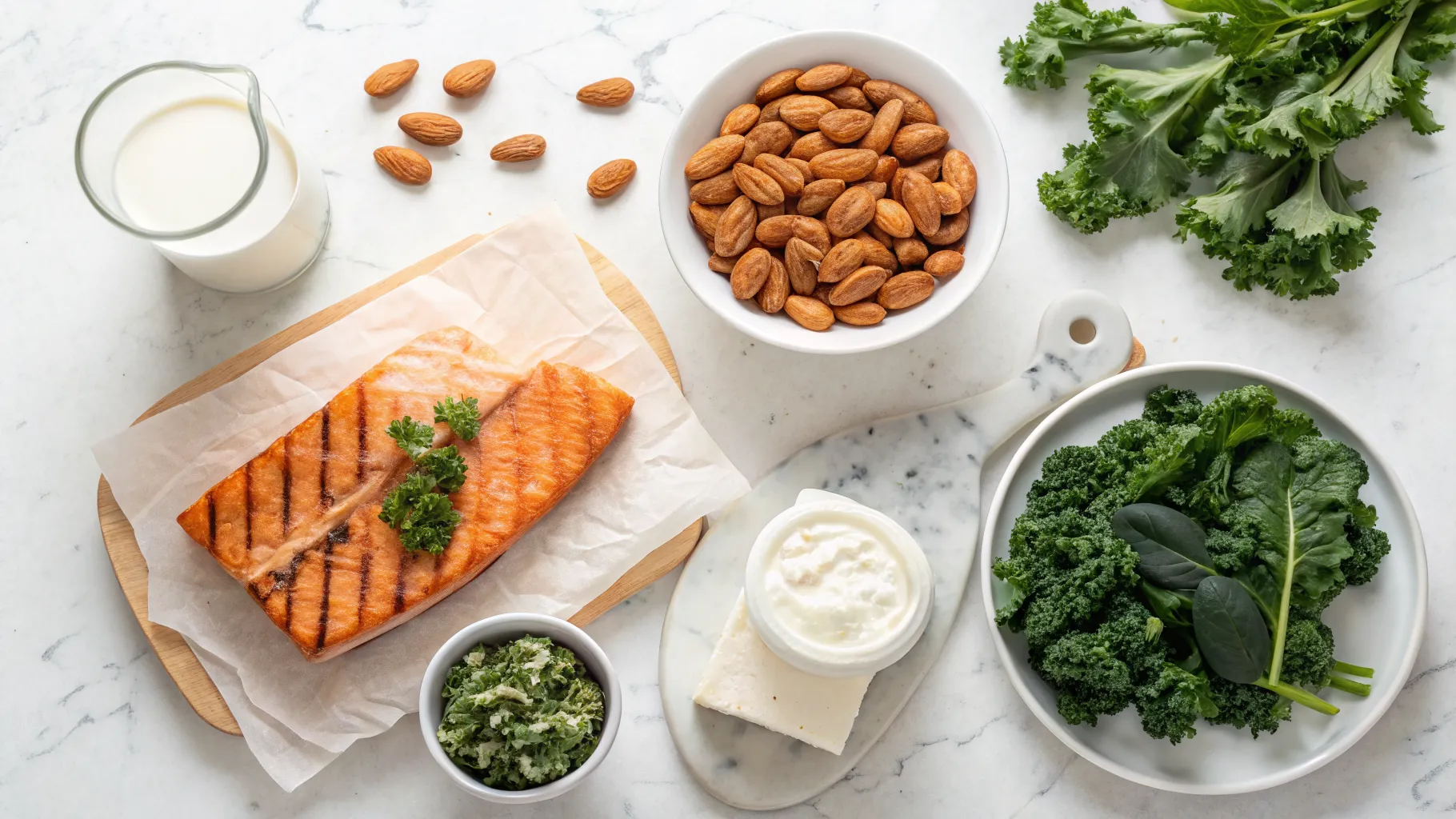
Nutrition plays a critical role in skeletal development and the ongoing maintenance of bone density. A carefully planned bone support diet involves consuming specific nutrients, notably calcium, vitamin D, magnesium, and potassium. By choosing the right foods for strong bones, individuals can supply their bodies with the necessary elements to maintain optimal skeletal function.
1. Traditional Dairy Products
Milk, cheese, and yogurt are widely recognized as staple bone health foods. They contain highly absorbable calcium, which is the primary mineral found in bones and teeth. Regular consumption of dairy helps maintain bone mass and provides an easily accessible source of daily calcium requirements.
Beyond calcium, many dairy items are fortified with vitamin D, a crucial nutrient that aids the body in absorbing calcium efficiently. Yogurt also supplies beneficial probiotics and protein, offering a well-rounded nutritional profile that supports overall physiological function alongside skeletal wellness.
2. Dark Leafy Greens
For those looking to diversify their bone strength nutrition, dark leafy green vegetables are an excellent addition to everyday meals. Spinach, kale, collard greens, and Swiss chard are packed with calcium, magnesium, and vitamin K. Vitamin K is particularly important because it assists in the production of osteocalcin, a protein essential for bone formation.
It is important to note that while spinach is high in calcium, it also contains oxalates, which can bind to calcium and reduce its absorption. Rotating different types of greens ensures a more balanced intake of accessible minerals without overloading on oxalates.
3. Fatty Fish Varieties
Fatty fish, such as salmon, sardines, and mackerel, are highly beneficial foods for bone strength. These fish are naturally rich in vitamin D, a nutrient that is relatively rare in natural food sources. Vitamin D plays a fundamental role in bone remodeling and the regulation of calcium levels in the blood.
Additionally, canned salmon and sardines often include edible soft bones, which directly supply a dense dose of calcium. The omega-3 fatty acids found in these fish also help manage inflammation, which can indirectly protect against conditions that lead to bone degradation.
4. Fortified Plant Foods and Beverages
Individuals who follow a dairy free lifestyle can still achieve a robust bone support diet through fortified alternatives. Many brands of orange juice, almond milk, soy milk, and oat milk are enriched with both calcium and vitamin D to mimic the nutritional profile of traditional cow milk.
When selecting fortified beverages, reading the nutritional label is a practical step to ensure the product actually contains these added benefits. Many breakfast cereals and oatmeals also feature fortification, making it simple to incorporate bone building vitamins into a morning routine.
5. Almonds and Seeds
Almonds are a highly convenient and nutrient dense option among foods for strong bones. They are a good source of calcium, magnesium, and protein. Magnesium is incredibly important because it contributes to the structural development of bone, with roughly half of the body mineral supply stored in the skeleton.
Seeds like chia, flax, and sesame are equally valuable for skeletal strength. Just a small serving of these seeds can provide a significant portion of daily calcium and magnesium needs. They can be easily sprinkled over salads, mixed into yogurt, or blended into smoothies for an effortless nutritional boost.
6. Soybeans and Tofu
Soy products are versatile ingredients that offer substantial skeletal benefits. Edamame, which are immature soybeans, contain high amounts of protein and bone supporting minerals. Tofu that has been prepared with calcium sulfate is particularly rich in calcium, sometimes offering more per serving than a standard glass of milk.
Soy also contains isoflavones, which are plant based compounds that mimic estrogen in the body. Some studies suggest these isoflavones may help preserve bone density, making soy based foods a strategic choice for individuals focused on long term structural health.
7. Eggs
Eggs are a widely accessible dietary staple that contributes to overall structural integrity. The yolk of the egg is the specific component that houses vitamin D. While eggs do not provide massive amounts of this vitamin compared to fatty fish, they are an easy and affordable way to steadily increase daily intake.
Eggs also provide high quality protein, which makes up a significant portion of bone volume and mass. Maintaining adequate protein consumption is vital for preserving skeletal structure, and incorporating eggs into various meals helps meet these basic physiological requirements.
8. Beans and Legumes
Beans and legumes, including black beans, chickpeas, and lentils, are exceptional plant based sources of calcium, magnesium, and phosphorus. Phosphorus works closely with calcium to build strong tissues and teeth, making it an indispensable part of comprehensive bone strength nutrition.
Like spinach, beans contain compounds called phytates that can interfere with mineral absorption. Soaking dried beans in water for several hours before cooking can significantly reduce their phytate content, thereby maximizing the nutritional value derived from the meal.
9. Sweet Potatoes
Sweet potatoes are often praised for their vibrant color and complex carbohydrates, but they also offer unique advantages for skeletal health. They provide generous amounts of magnesium and potassium. Potassium helps neutralize metabolic acids in the body that can otherwise leach calcium out of the skeletal system.
Incorporating sweet potatoes into a weekly meal rotation provides a naturally sweet and filling side dish that subtly supports mineral retention. Baking or roasting them with the skin intact ensures the maximum preservation of these essential nutrients.
10. Prunes
Prunes, or dried plums, have garnered significant attention in nutritional research for their positive impact on skeletal health. They contain vitamin K, magnesium, potassium, and boron. Boron is a trace mineral that helps the body effectively utilize both calcium and vitamin D.
Research indicates that eating a moderate amount of prunes daily may help prevent the loss of mineral mass. Their natural sweetness and chewy texture make them an excellent standalone snack or a valuable addition to baked goods and savory stews.