A Comprehensive Guide to Gardening Classes for Beginners
Starting a garden can feel overwhelming when faced with endless varieties of plants, soil types, and climate considerations. Taking gardening classes for beginners is an excellent way to build a solid foundation of knowledge. These educational sessions demystify the growing process and equip novice gardeners with the practical skills needed to nurture plants successfully.
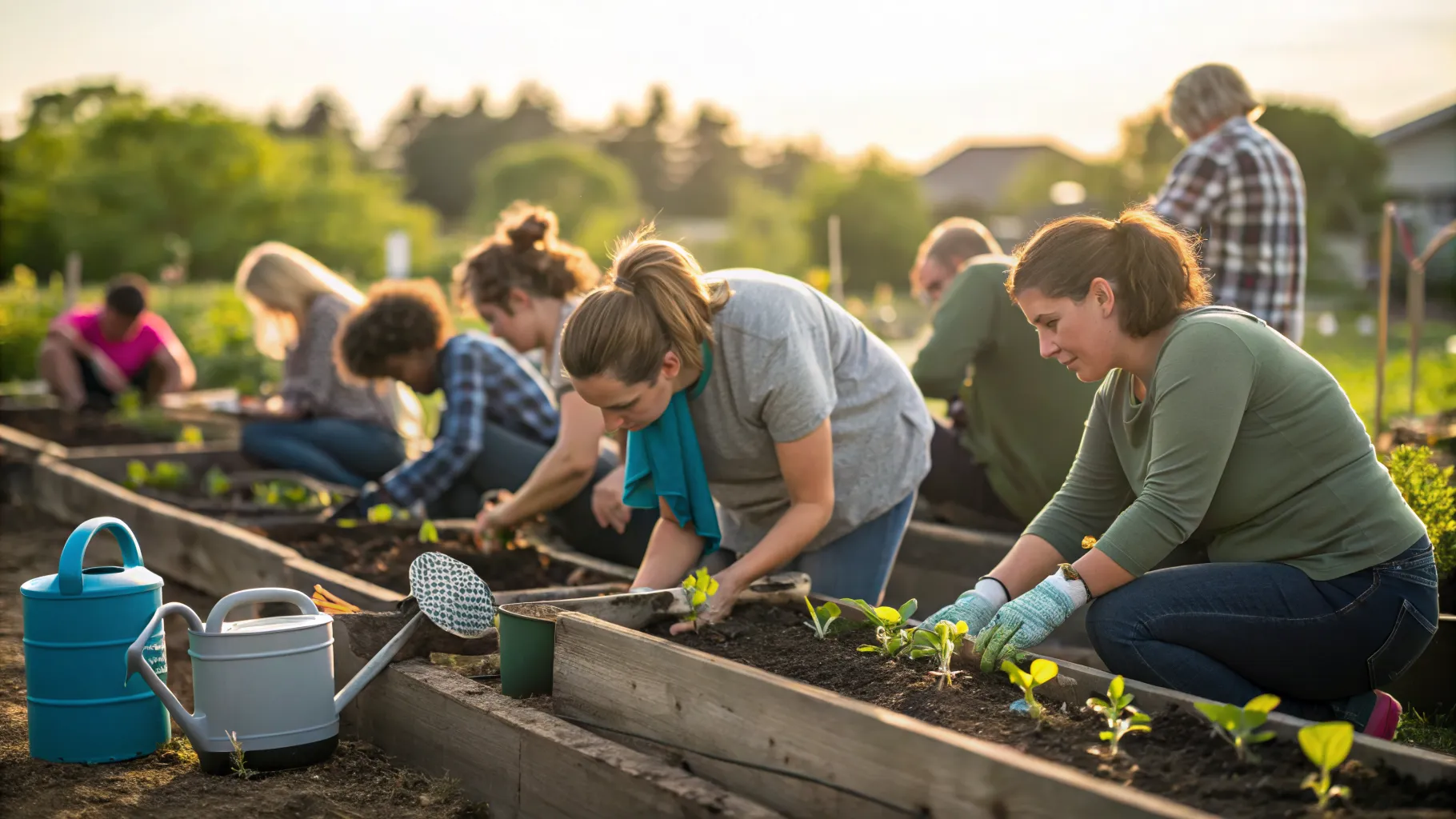
The Basics of Beginner Gardening Classes
Beginner gardening classes are designed specifically for individuals with little to no experience in cultivating plants. Instructors focus on foundational concepts rather than advanced horticultural techniques. This ensures that new learners do not feel intimidated by complex scientific terminology or highly specialized tools.
These classes typically blend theoretical knowledge with practical application. Students learn to understand the basic life cycle of a plant, the importance of sunlight, and the crucial role that proper hydration plays in plant health. By establishing these core principles early on, new gardeners can approach their home projects with confidence.
Common Topics Covered in Introductory Workshops
When you enroll in a garden classes guide or workshop, you can expect a curriculum that tackles the most common hurdles new gardeners face. Instructors usually break down the planting process into manageable steps that anyone can replicate in their own backyard or balcony.
- Soil preparation and composting basics
- Choosing the right plants for your specific climate zone
- Proper watering schedules and drainage solutions
- Identifying and managing common garden pests naturally
In-Person Versus Online Learning Formats
Choosing between an in-person workshop and an online course largely depends on your personal learning style and schedule. In-person classes offer hands-on experience, allowing you to feel the soil texture, practice pruning under supervision, and ask questions in real time. They also provide a wonderful opportunity to connect with fellow gardening enthusiasts in your area.
On the other hand, online beginner gardening classes offer unmatched flexibility. You can watch video demonstrations from the comfort of your home and pause or rewind when you need to review a specific technique. Many digital courses also provide downloadable resources, such as planting calendars and troubleshooting guides, which serve as handy references throughout the growing season.
Where to Find Local Gardening Workshops
If you prefer to learn gardening through hands-on instruction, there are several local venues that frequently host educational events. Botanical gardens and nature reserves are prime locations, as they employ knowledgeable horticulturists who are eager to share their expertise with the public. These institutions often run seasonal workshops tailored to the specific planting times of your region.
Additionally, local university extension programs and community colleges are fantastic resources for aspiring gardeners. They frequently offer non-credit adult education courses focused on sustainable agriculture and home landscaping. You might also check bulletin boards at your neighborhood nursery or hardware store, as local gardening clubs often advertise their introductory meetups in these spaces.
Essential Tools and Preparation for Your First Class
Preparing for your first gardening workshop requires very little investment, but having a few basic items can enhance your experience. For in-person sessions, it is highly recommended to wear comfortable clothing that you do not mind getting dirty. Closed-toe shoes are essential for safety, especially when handling tools or walking through uneven garden beds.
Most instructors will provide the necessary equipment for the duration of the class, but bringing your own pair of fitted gardening gloves is a good idea. You should also bring a notebook and pen to jot down specific plant names, regional tips, and tool recommendations. Knowing your local hardiness zone before arriving can also help you ask more targeted questions about what will thrive in your yard.
Setting Realistic Expectations for Your Garden
One of the most valuable lessons taught in beginner gardening classes is that nature is unpredictable. Even with the best preparation and instruction, some plants will fail to thrive due to unexpected weather changes, pests, or simple trial and error. Understanding this reality helps new gardeners remain resilient and view mistakes as vital learning opportunities.
Gardening is a continuous journey of observation and adjustment. As you apply the techniques learned in your workshops, you will gradually develop an intuitive sense for what your plants need. Patience is perhaps the most important tool you can cultivate, as the rewards of a flourishing garden take time, consistent effort, and a willingness to adapt.