A Guide to Woodworking Classes for Seniors
Woodworking is a fulfilling and productive hobby that offers individuals the chance to craft something tangible with their own hands. For older adults, taking up this craft can be an excellent way to stay active, engage the mind, and socialize with like minded people. Finding the right environment to learn is crucial for an enjoyable experience.
The Appeal of Woodworking for Older Adults
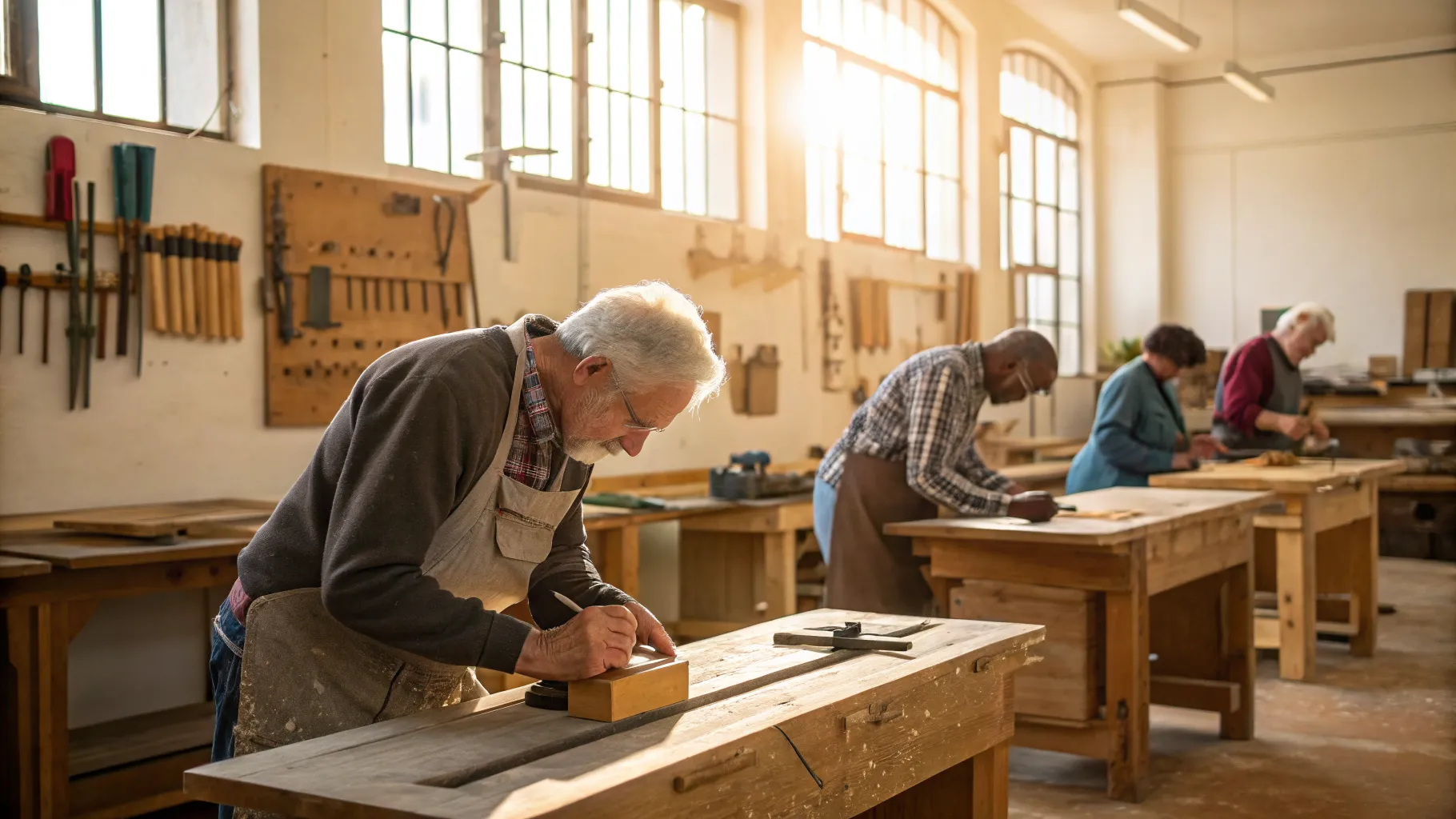
Many people find themselves with more free time as they transition into retirement, making it the perfect opportunity to explore new interests. Carpentry classes for seniors provide a structured and welcoming environment to learn the basics of handling wood, measuring, and cutting. These courses are typically designed with adult learners in mind, meaning the pacing is comfortable and the instruction is highly supportive.
Furthermore, woodworking classes for seniors often foster a strong sense of community. Participants gather in a shared workshop space where they can exchange ideas, help one another with challenging tasks, and celebrate completed projects. This social aspect is just as valuable as the technical skills gained, offering a reliable routine and a friendly group of peers.
Physical and Cognitive Benefits
Engaging in senior woodworking classes is not just about building furniture or art pieces; it also provides significant physical and cognitive advantages. The act of measuring, lifting materials, and using hand tools keeps joints moving and helps maintain dexterity. While power tools do much of the heavy lifting, the careful positioning and steady hands required contribute to improved fine motor skills.
- Enhances hand eye coordination through detailed tasks.
- Stimulates problem solving skills when interpreting project blueprints.
- Encourages sustained focus and mental clarity.
- Provides a gentle form of physical exercise through standing and moving around the shop.
How to Find Beginner Woodworking Classes
Locating beginner woodworking classes in your area is easier than you might think. Community colleges and adult education centers frequently host introductory courses that run for several weeks, covering all the foundational skills needed to safely operate workshop equipment. These institutions usually provide all the necessary tools, so participants do not need to make a large upfront investment.
Another excellent resource is local maker spaces or community centers. Many of these organizations host specialized woodworking workshops tailored specifically for older adults. Senior centers may also partner with local craftsmen to offer short term seminars or guided project days. Checking municipal recreation guides or community bulletin boards is a practical way to discover upcoming schedules.
What to Expect in a Typical Workshop
Walking into a professional woodshop for the first time can feel overwhelming due to the noise, dust, and array of unfamiliar machinery. However, beginner woodworking classes are structured to ease students into this environment safely. The first few sessions are almost entirely dedicated to shop orientation, explaining the layout, the purpose of different stations, and how to navigate the space safely.
Once the orientation is complete, instructors usually guide the class through a simple introductory project. This hands on experience allows participants to practice using measuring tapes, squares, hand saws, and basic power tools under close supervision. The atmosphere is generally relaxed, with instructors emphasizing technique and safety over speed or perfection.
Essential Safety Considerations
Safety is the cornerstone of all carpentry classes, especially those aimed at beginners. Instructors will heavily emphasize the use of personal protective equipment. This includes wearing impact resistant safety glasses, utilizing ear protection when operating loud machinery, and sometimes wearing dust masks or respirators depending on the ventilation of the workshop.
- Always tie back long hair and avoid wearing loose clothing or dangling jewelry.
- Never operate a machine without fully understanding its functions and safety guards.
- Maintain a clean workspace to prevent tripping hazards from offcuts and sawdust.
- Report any faulty equipment or safety concerns to the instructor immediately.
Common Beginner Projects and Tools
The projects assigned in introductory woodworking workshops are specifically chosen to build confidence and teach core skills. Participants might start by creating a simple cutting board, a small birdhouse, or a basic storage box. These projects require learning how to make straight cuts, apply wood glue, use clamps effectively, and sand surfaces to a smooth finish. Each completed item serves as a practical application of the lessons taught that day.
To complete these tasks, seniors will be introduced to a variety of essential tools. Hand tools like chisels, mallets, and block planes offer a quiet and traditional approach to shaping wood. Additionally, students will learn to safely operate staple power tools such as the miter saw, drill press, and orbital sander. By the end of the course, participants usually have both a finished project to take home and the skills necessary to continue pursuing the craft.