Exploring Craft and Sewing Classes: A Guide for Beginners and Enthusiasts
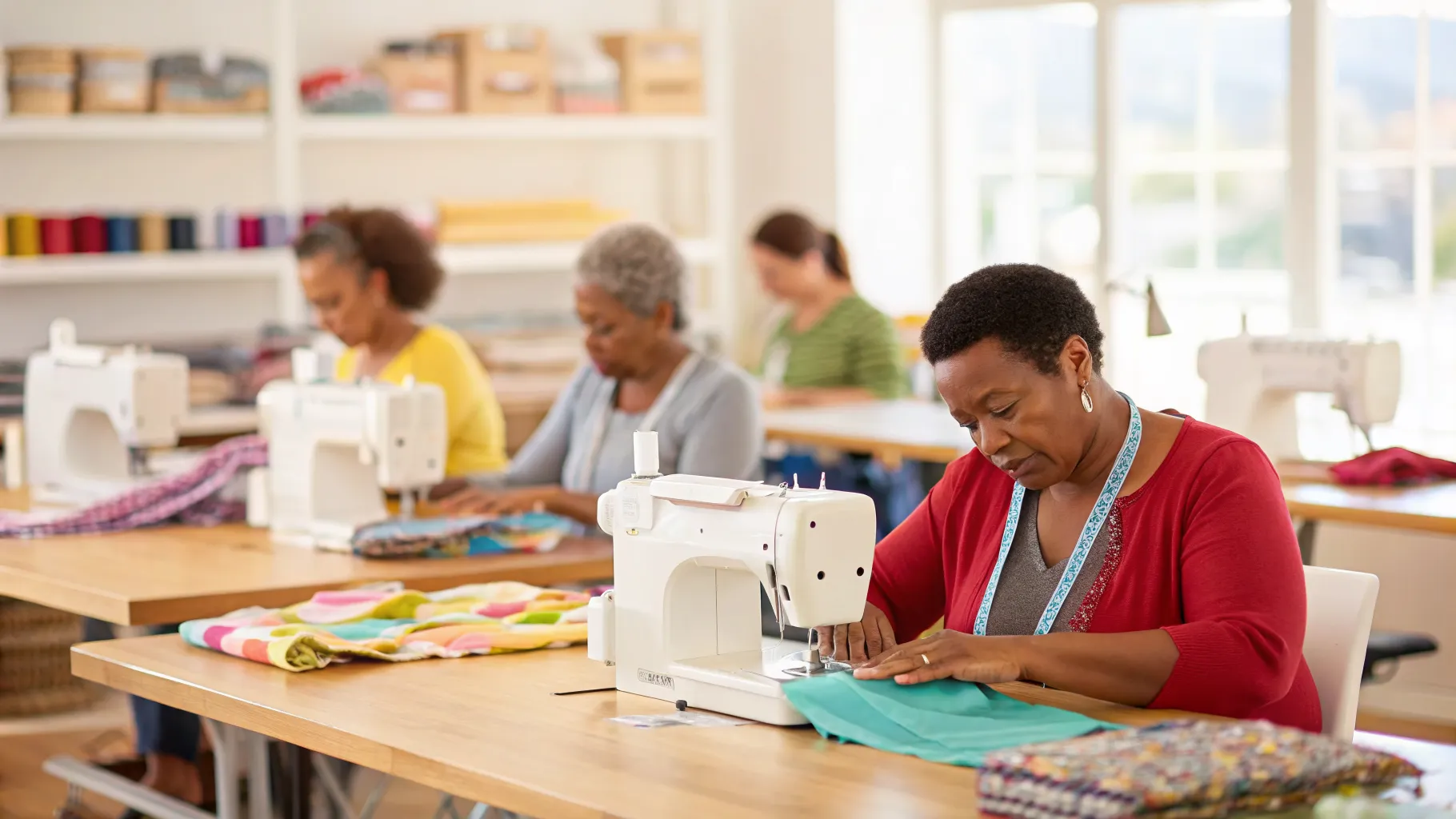
Learning to create functional and decorative items by hand has experienced a significant revival in recent years. Craft and sewing classes provide structured environments where individuals can explore their creativity under the guidance of experienced instructors. These sessions cater to a wide range of interests, from garment construction and quilting to pottery and mixed media arts.
The Rise of Hands-On Creative Workshops
The digital age has brought about a renewed appreciation for tactile, physical activities. People are increasingly seeking out craft and sewing classes as a way to disconnect from screens and engage in mindful tasks. These educational settings offer a unique blend of technical instruction and creative freedom, allowing participants to produce tangible results from their efforts.
Beyond the simple act of making something, these workshops foster a sense of community. Participants often find themselves working alongside individuals who share similar interests, creating an environment that encourages collaboration and the exchange of ideas. This social aspect is a major factor in the growing popularity of local studio spaces and community center programs.
What to Expect from Sewing Classes
Sewing classes are typically structured to guide students step by step through specific techniques or entire projects. For those attending sewing classes for the first time, instructors usually begin with the basics of machine operation. This includes learning how to thread the machine, wind a bobbin, and execute fundamental stitches. Understanding these foundational skills is critical before moving on to complex garment construction.
As students progress, the curriculum often shifts toward more detailed work. More advanced sewing workshops might cover:
- Reading and altering commercial sewing patterns.
- Techniques for inserting zippers, buttons, and other closures.
- Working with challenging fabrics like knits, silks, or heavy denims.
- Tailoring garments to achieve a precise, custom fit.
Exploring General Arts and Crafts Classes
While sewing focuses primarily on textiles, the broader category of arts and crafts classes encompasses a massive variety of mediums. Craft classes for beginners might introduce techniques such as watercolor painting, basic woodworking, block printing, or jewelry making. These introductory sessions are designed to be accessible, requiring no prior experience and focusing on the joy of the creative process.
Different crafts require entirely different sets of spatial and motor skills. For example, a pottery wheel class demands physical coordination and an understanding of clay moisture, while a bookbinding workshop relies heavily on precise measuring and folding. Because the scope is so wide, prospective students can experiment with multiple disciplines before dedicating themselves to a single hobby.
Essential Tools and Materials Provided
One of the primary benefits of attending organized craft and sewing workshops is the access to specialized equipment. Purchasing high-quality sewing machines, sergers, kilns, or heavy duty cutting tools can be prohibitively expensive for a beginner. Studios and educational centers supply these large items, allowing students to learn without making a major upfront financial commitment.
In addition to heavy machinery, classes typically provide the necessary consumable materials for introductory projects. Students might receive a kit containing pre-cut fabric, specific threads, specialized needles, or custom hardware. As participants advance to higher levels, they are usually expected to source their own materials, which teaches them how to select the right supplies for independent projects.
Choosing the Right Skill Level
Selecting the appropriate class level is essential for a positive learning experience. Craft classes for beginners are specifically tailored to move at a slower pace. Instructors assume that the students have never held the tools before, and they spend ample time explaining safety procedures and foundational concepts. Jumping into a course that is too advanced can lead to frustration and a lack of understanding.
Conversely, intermediate and advanced workshops move quickly and expect participants to possess a working knowledge of the basics. Course descriptions typically outline prerequisite skills, such as knowing how to operate a standard sewing machine or being familiar with basic color theory. Reading these descriptions carefully ensures that you match your current abilities with the expectations of the curriculum.
How to Find Local Craft and Sewing Workshops
Locating a suitable class depends heavily on the type of instruction you are seeking. Independent fabric shops and specialty craft stores frequently host evening or weekend workshops. These are often taught by local artisans and are an excellent way to learn niche techniques in a smaller, more intimate setting.
For more comprehensive or long-term courses, community colleges and adult education centers are valuable resources. They tend to offer semester-long programs that delve deeply into subjects like fashion design or structural ceramics. Additionally, many cities have dedicated maker spaces or cooperative studios that offer both one-time classes and ongoing memberships for independent work.