Understanding Which Foods to Avoid for Fatty Liver Disease
Navigating a fatty liver diagnosis often starts with taking a close look at your daily diet. The foods we consume play a direct role in how much fat accumulates in the liver cells. By identifying and eliminating certain dietary triggers, individuals can take proactive steps to manage their condition and support overall liver health.
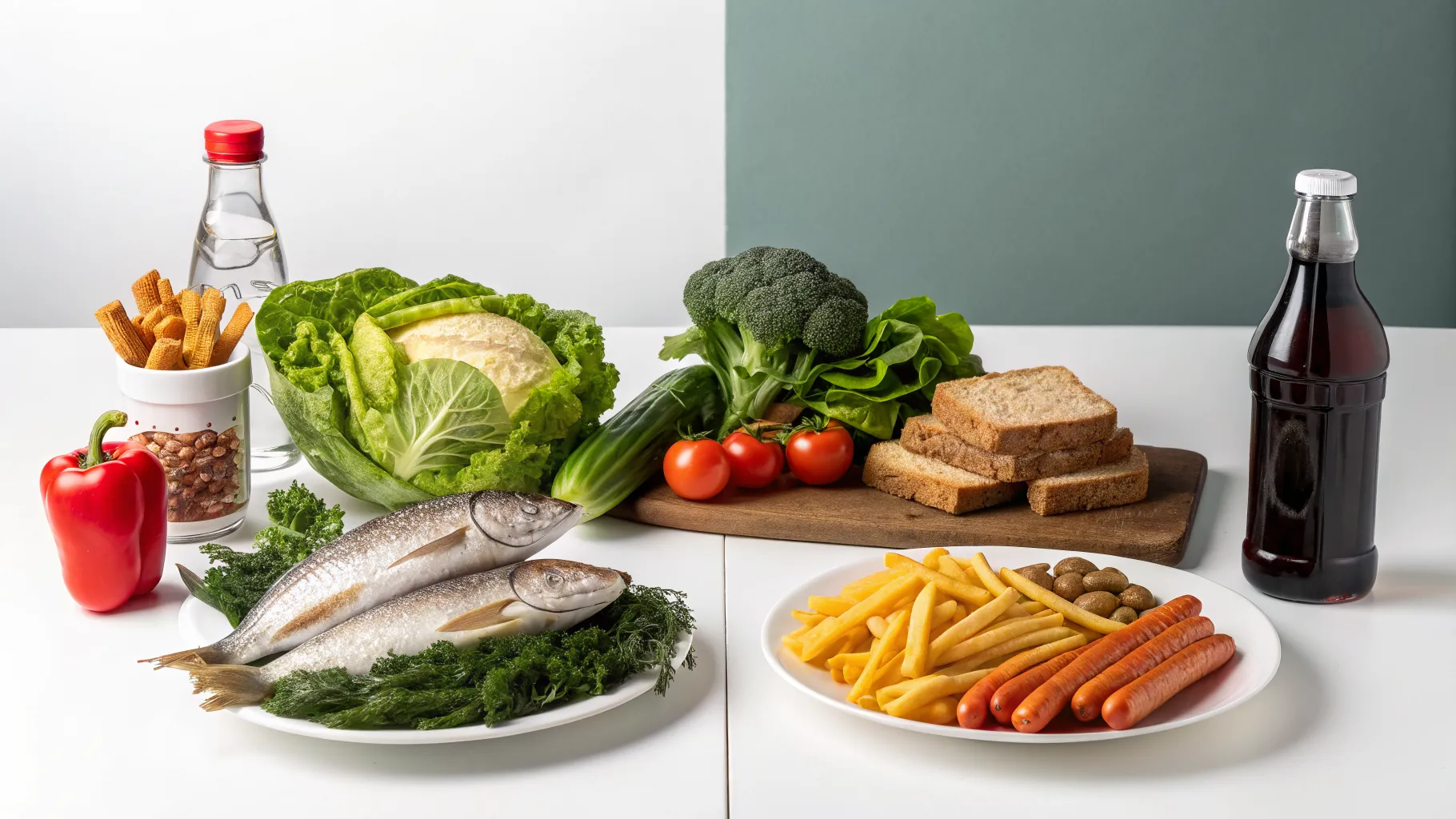
Understanding the Impact of Diet on Fatty Liver
Fatty liver disease occurs when excessive amounts of fat build up within the liver. While some fat is normal, a high concentration can lead to inflammation, cell damage, and advanced liver complications over time. Diet is one of the most significant factors influencing this fat accumulation. The liver is responsible for processing everything we eat and drink, meaning it bears the brunt of unhealthy dietary choices.
When a person consumes foods that are difficult to process or high in specific types of carbohydrates and fats, the liver converts the excess energy into fat. This continuous cycle not only worsens the fatty liver condition but can also contribute to insulin resistance and weight gain. Transitioning to a liver health diet means becoming deeply aware of the ingredients in everyday meals and snacks.
Added Sugars and High Fructose Corn Syrup
One of the absolute worst offenders for liver health is added sugar, particularly high fructose corn syrup. Unlike glucose, which can be used by various cells throughout the body for energy, fructose is metabolized almost entirely by the liver. When the liver receives a massive influx of fructose, it quickly converts the sugar into fat, exacerbating fat deposits in the organ.
- Sugary beverages like sodas, sweetened teas, and sports drinks.
- Baked goods including cookies, cakes, and pastries.
- Condiments such as ketchup, barbecue sauce, and sweetened salad dressings.
Fried Foods and Unhealthy Fats
Fried foods are notoriously high in calories and unhealthy fats, making them a significant hazard for anyone dealing with fatty liver disease. When foods are deep-fried, they absorb large amounts of oil. These oils are often rich in saturated and trans fats, which promote inflammation and increase the burden on the liver during digestion.
Regular consumption of fried chicken, french fries, and heavily battered foods can accelerate the progression of liver issues. To protect the liver, it is highly recommended to seek out alternative cooking methods. Baking, grilling, steaming, or using an air fryer can provide similar textures without the massive influx of damaging fats that overwhelm liver function.
Refined Carbohydrates and White Flour
Refined carbohydrates have been stripped of their natural fiber and nutrients during processing. Because they lack fiber, these foods are digested very quickly, leading to rapid spikes in blood sugar and insulin levels. High insulin levels signal the body to store more fat, particularly around the midsection and within the liver itself.
- White bread, bagels, and traditional pizza crusts.
- Standard white pasta and refined noodles.
- White rice and low-fiber, sugary breakfast cereals.
Red Meat and Processed Meats
While protein is essential for a balanced diet, the source of that protein matters significantly for fatty liver patients. Red meats like beef, lamb, and pork often contain high levels of saturated fat. Digesting high amounts of saturated fat requires the liver to work much harder, which can promote localized inflammation and further fat storage.
Processed meats are even more problematic due to their high sodium content and chemical preservatives. Items like hot dogs, bacon, sausages, and deli meats should be strictly limited or avoided entirely. Opting for leaner proteins like poultry, fish, tofu, or legumes is a much safer approach for maintaining optimal liver health.
Alcohol and Liver Strain
It is widely known that heavy alcohol consumption causes alcoholic fatty liver disease. However, individuals diagnosed with non-alcoholic fatty liver disease must also be incredibly cautious regarding alcohol intake. Processing alcohol is a strenuous task for the liver, and introducing it to an already compromised organ can accelerate cellular damage.
Even moderate drinking can trigger inflammation and interfere with the liver's ability to metabolize fats efficiently. For those actively trying to reverse or manage fatty liver symptoms, total abstinence from alcohol is often recommended by medical professionals. Removing alcohol eliminates a major source of oxidative stress on the liver tissues.
High-Sodium Foods and Excessive Salt
Excessive sodium intake is strongly linked to a variety of health complications, including high blood pressure and water retention. For individuals with compromised liver function, a high-sodium diet can worsen fluid buildup in the abdomen, a condition known as ascites. Furthermore, high salt intake has been correlated with increased cellular inflammation.
- Canned soups and heavily processed instant meals.
- Salty snack foods like potato chips, pretzels, and salted nuts.
- Fast food items, which rely heavily on salt for flavor preservation.