A Senior's Guide to 14-Day Cruises Around Australia
A 14-day cruise around Australia offers a fantastic opportunity to explore the vast and varied landscapes of the continent from a comfortable, convenient home base. This extended journey allows for a relaxed pace, visiting multiple iconic ports without the hassle of frequent packing and unpacking. It's an ideal way for seniors to experience everything from bustling cities to remote natural wonders in a single, well-planned trip.
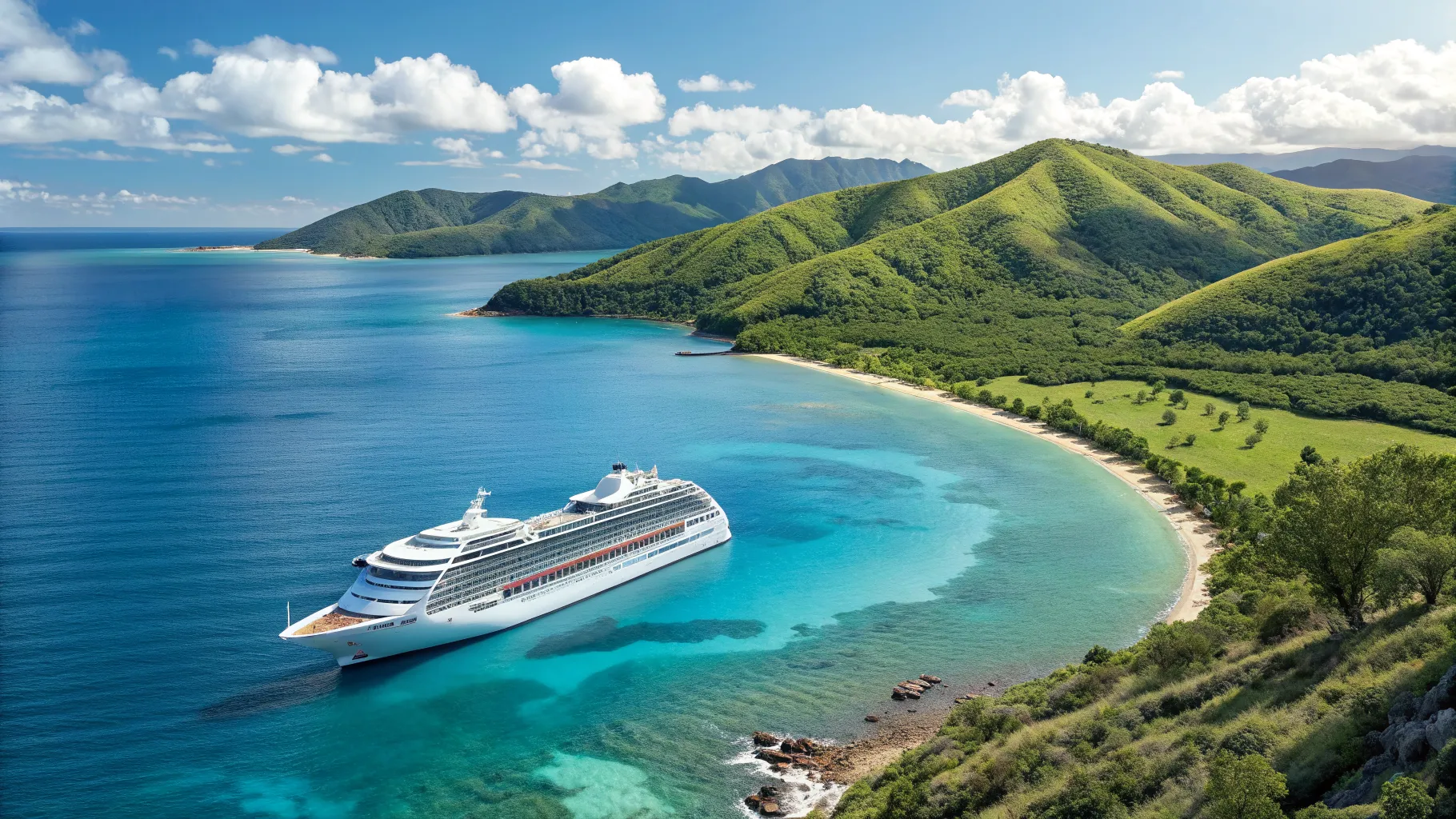
What to Expect on a Two-Week Australian Voyage
A 14-day itinerary provides ample time to cover a significant portion of Australia's massive coastline. Unlike shorter trips that may only focus on one region, a two-week cruise can offer a 'sampler' of the country's diversity. You might experience the vibrant culture of Melbourne, the tropical paradise of Queensland, and the rugged beauty of the Western Australian coast all in one journey. The pace is generally leisurely, with several 'at sea' days between major ports. These days are perfect for relaxing, enjoying onboard amenities, and recuperating between shore excursions.
Onboard life during these cruises is tailored for comfort and engagement. You can expect a wide range of activities, from educational lectures about Australian history and wildlife to cooking classes, trivia, and live entertainment. Dining is a major part of the experience, with multiple venues ranging from casual buffets to formal dining rooms and specialty restaurants. The extended duration allows you to settle in, get to know the ship's layout, and even form friendships with fellow travelers who share your interests.
Popular Itineraries and Key Ports of Call
While a full circumnavigation of Australia typically takes longer than 14 days, many two-week cruises offer incredible regional explorations. Some itineraries focus on the 'Top End,' charting a course between Sydney and Fremantle (Perth) via destinations like Cairns, Darwin, and the stunning Kimberley coast. Others might concentrate on the southeastern states, including Sydney, Melbourne, Adelaide, and the unique landscapes of Tasmania, with Hobart as a key port.
Common ports of call you might encounter on a 14-day journey include:
- Sydney, New South Wales: Famous for its iconic Opera House and Harbour Bridge.
- Melbourne, Victoria: Known for its vibrant arts scene, laneway cafes, and unique shopping.
- Hobart, Tasmania: A historic city offering access to incredible nature and culinary experiences.
- Cairns, Queensland: The gateway to the Great Barrier Reef and the Daintree Rainforest.
- Darwin, Northern Territory: A tropical capital with a rich indigenous culture and proximity to national parks.
- Fremantle (Perth), Western Australia: A charming port city with a well-preserved architectural heritage.
Choosing the Right Cruise Line for Seniors
When selecting a cruise, it's wise to look for lines that cater well to a mature audience. These cruise lines often prioritize comfort, enrichment, and a more refined atmosphere over high-energy, family-focused activities. Look for ships with excellent accessibility, including ample elevators, accessible staterooms, and options for mobility assistance. A strong onboard medical facility with qualified staff can also provide significant peace of mind for an extended journey.
Consider the types of activities offered. Cruise lines geared toward seniors often feature enrichment programs like guest lecturers, art classes, and bridge tournaments. The evening entertainment may lean more towards classical music, theater productions, and lounge singers rather than loud nightclubs. Reading reviews and looking at the daily programs from past sailings can give you a clear idea of whether a cruise line's atmosphere and offerings align with your travel style.
Onboard Amenities and Accessibility
Modern cruise ships are increasingly designed with accessibility in mind. When booking, inquire about staterooms specifically designed for guests with mobility challenges. These often feature wider doorways, roll-in showers with grab bars, and more floor space. Throughout the ship, public areas should be easily navigable with ramps and elevators. If you require specific equipment, such as a scooter or oxygen concentrator, check with the cruise line's accessibility department well in advance to understand their policies.
Beyond physical accessibility, consider other amenities that enhance comfort. Many cruise lines can accommodate a wide range of dietary needs, from low-sodium to gluten-free, with advance notice. Shore excursions are also often categorized by activity level, allowing you to choose tours that match your physical abilities. Options can range from panoramic bus tours with minimal walking to more active guided explorations.
Packing Essentials for Your Voyage
Packing for a 14-day cruise around Australia requires planning for diverse climates. The north is tropical and humid, while southern states like Victoria and Tasmania can be much cooler, especially outside of the summer months. The key is to pack layers. Include lightweight clothing, swimwear, and sun protection for warm days, but also bring sweaters, a waterproof jacket, and long pants for cooler weather and evenings at sea.
Don't forget essentials like comfortable walking shoes for shore excursions, as well as a slightly more formal outfit for special evening dinners. Pack all necessary medications in your carry-on luggage, along with copies of your prescriptions. Other useful items include a small daypack for tours, binoculars for wildlife viewing from the ship, a reusable water bottle, and any necessary adapters for charging your electronic devices.
Budgeting for Your 14-Day Cruise
Understanding the full cost of your trip is essential for a stress-free vacation. The initial cruise fare typically covers your accommodation, standard meals in main dining rooms and buffets, and some onboard entertainment. However, there are several additional costs to factor into your budget. These almost always include gratuities for the crew, which can sometimes be prepaid or are added to your onboard account daily.
Other expenses to plan for include shore excursions, which are priced individually, and specialty dining restaurants that carry an extra charge. Alcoholic beverages, specialty coffees, and soft drinks are also usually extra unless you purchase a beverage package. Remember to also account for travel insurance, flights to and from your port of departure, and any pre-cruise hotel stays. Setting a daily budget for onboard spending can help you manage these extra costs effectively.