10 Early Signs of Liver Disease: What to Know
The liver is one of the most hardworking organs in the human body, responsible for filtering toxins, aiding in digestion, and regulating metabolism. Because it performs so many critical functions, any impairment can have widespread effects on overall health. Recognizing the early signs of liver disease is vital for seeking timely medical advice and understanding the underlying symptoms and causes before the condition progresses.
The Role of the Liver in Overall Health
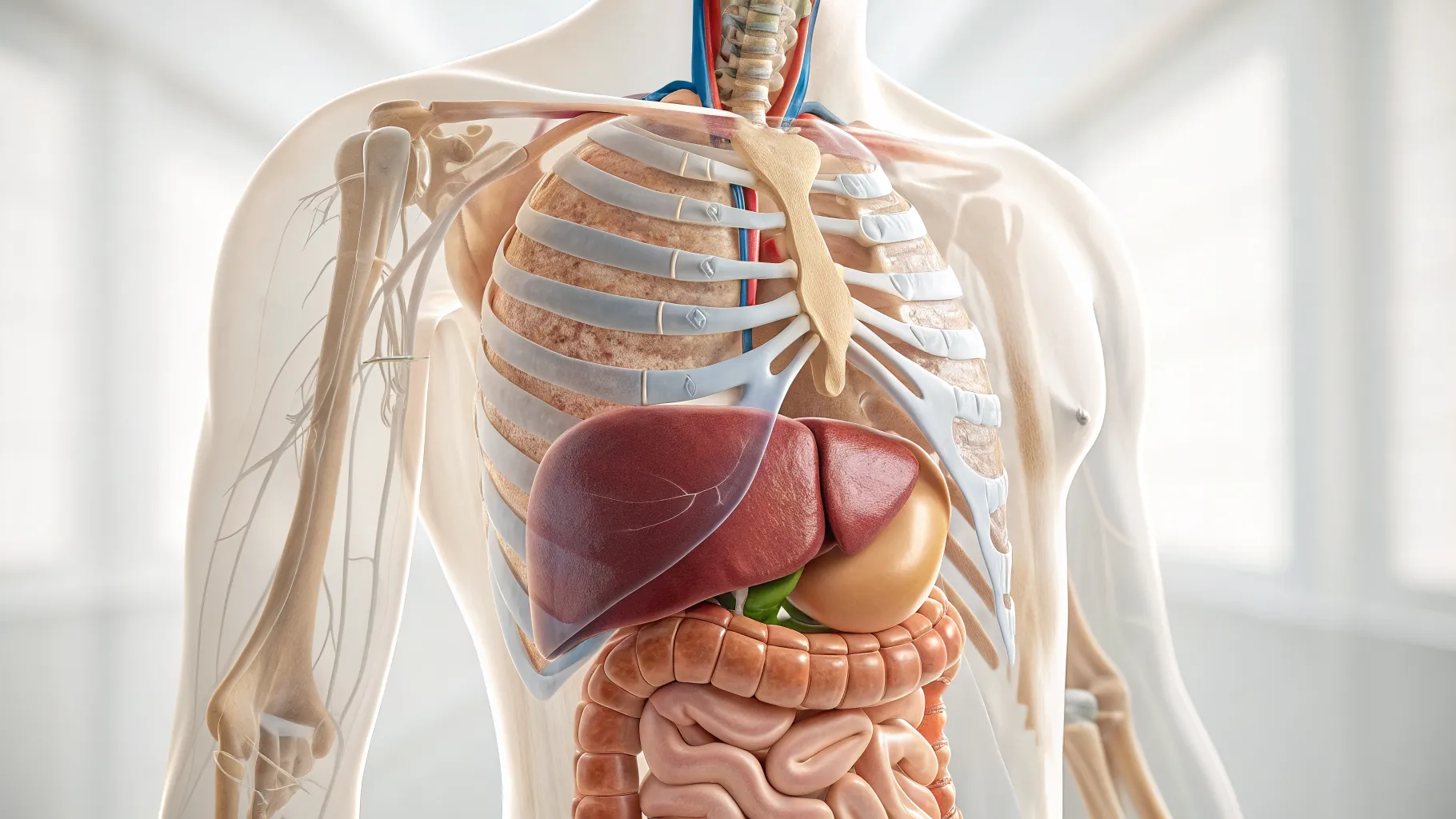
To understand why early signs of liver disease occur, it is helpful to know what the liver does on a daily basis. This vital organ processes nutrients absorbed from the small intestine, produces bile to digest fats, and synthesizes essential proteins. It also acts as the primary detoxification center of the body, neutralizing harmful substances and clearing them from the bloodstream.
When liver function declines, these processes slow down or become inefficient. The body begins to struggle with basic metabolic tasks, leading to a variety of warning signs. Because the liver has a remarkable ability to compensate for early damage, symptoms may initially be subtle, making it crucial to pay close attention to minor changes in your daily health.
1. Unexplained and Persistent Fatigue
One of the most common early signs of liver disease is a profound and lingering sense of exhaustion. This fatigue goes beyond normal tiredness after a long day at work or a poor night of sleep. Individuals often report feeling completely drained of energy, regardless of how much rest they get.
Medical experts believe this severe fatigue is linked to the liver struggling to clear toxins from the blood. As these byproducts accumulate, they affect the central nervous system and overall energy levels. If you find yourself consistently exhausted without a clear explanation, it may be a signal to consult a healthcare professional.
2. Loss of Appetite and Unintended Weight Loss
A sudden or gradual disinterest in food is another frequent early indicator of liver complications. Because the liver plays a central role in the digestive process, any impairment can lead to gastrointestinal distress. People may feel full very quickly or simply lose the desire to eat their regular meals.
Over time, this persistent loss of appetite can lead to unintended weight loss. When the body does not receive enough calories and nutrients, it begins to break down muscle and fat reserves. Unexplained weight loss should always be evaluated by a medical provider, as it is a common warning sign for various underlying health conditions, including liver disease.
3. Frequent Nausea and Digestive Discomfort
Nausea is a prevalent symptom that can occur in the early stages of liver disease. As the organ loses its ability to efficiently filter out toxic substances, these toxins can build up in the bloodstream and trigger feelings of sickness. This nausea may be intermittent or constant, and it is sometimes accompanied by an unsettled stomach.
Digestive discomfort can also manifest as a general feeling of heaviness or bloating after meals. Because the liver produces bile, which is necessary for breaking down dietary fats, a compromised liver can result in poor digestion. This can lead to frequent bouts of indigestion that do not respond well to standard over-the-counter remedies.
4. Subtle Pain in the Upper Right Abdomen
The liver is located in the upper right portion of the abdomen, sitting just beneath the rib cage. While the liver itself lacks pain receptors, the capsule surrounding it is highly sensitive. If the liver becomes inflamed or enlarged, it stretches this capsule, causing discomfort or localized pain.
This pain is typically described as a dull, throbbing ache rather than a sharp or stabbing sensation. It may radiate to the right shoulder or back in some cases. Experiencing a consistent, localized ache in this specific area warrants a medical evaluation to rule out liver inflammation or other biliary tract issues.
5. Fluid Retention in the Legs and Ankles
Fluid retention, known medically as edema, is a classic sign of reduced liver function. The liver manufactures albumin, a protein that helps keep fluid within the blood vessels. When liver disease impairs albumin production, fluid can leak into surrounding tissues, causing visible swelling.
Because of gravity, this swelling is most commonly noticed in the lower extremities, such as the legs, ankles, and feet. You might notice that your shoes feel tighter than usual or that your socks leave deep indentations on your skin. While edema can be caused by various circulatory or cardiac issues, it remains a key symptom in liver health assessments.
6. Unusually Itchy Skin
Pruritus, or severely itchy skin, is an often overlooked symptom of early liver disease. Unlike a typical skin rash or allergic reaction, this itchiness usually occurs without any visible skin changes. The exact mechanism is not fully understood, but it is widely believed to be related to the accumulation of bile salts in the bloodstream, which then deposit in the skin.
The itching can be localized to the palms of the hands and soles of the feet, or it can affect the entire body. It often worsens at night, potentially disrupting sleep and compounding feelings of fatigue. If you experience persistent itching that does not respond to standard moisturizing lotions, it is worth discussing with a doctor.
7. Darkening of the Urine
Changes in bathroom habits can provide significant clues about liver health. One notable change is the darkening of urine, which may take on a deep amber, orange, or even brown hue. This color shift occurs when the liver is unable to process bilirubin, a yellowish pigment formed by the breakdown of old red blood cells.
When the liver cannot excrete bilirubin into the digestive tract, the kidneys step in to filter it out of the blood, resulting in dark urine. While dehydration can also cause darker urine, the discoloration associated with liver issues typically persists even when you are drinking plenty of water.
8. Pale or Clay-Colored Stools
Just as bilirubin affects the color of urine, it is also responsible for giving stool its typical brown color. When the liver is healthy, it secretes bilirubin into bile, which then travels into the intestines and colors the stool. If liver disease or a blockage prevents bile from reaching the digestive tract, stools can become noticeably pale.
These pale, putty-like, or clay-colored stools are a strong indicator of biliary or hepatic dysfunction. Additionally, because fats are not being properly digested without sufficient bile, the stools may also appear greasy and have an unusually foul odor. Monitoring these changes can help catch liver issues early.
9. A Tendency to Bruise Easily
The liver is responsible for producing many of the proteins required for blood clotting. When liver tissue is damaged and function declines, the production of these essential clotting factors drops. As a result, the body becomes much more susceptible to bruising and bleeding.
You might notice large bruises appearing from very minor bumps, or you may develop bruises without any distinct memory of an injury. Minor cuts may also take longer to stop bleeding, and some individuals experience frequent nosebleeds. This increased bleeding tendency is a clear signal that the liver's synthetic functions are compromised.
10. Early Signs of Jaundice in the Eyes
Jaundice is perhaps the most well-known symptom of liver disease, characterized by a yellowing of the skin and the whites of the eyes. In its early stages, this yellow tint may be subtle and first noticeable only in the sclera, which is the white portion of the eyes.
This yellowing is another direct result of excess bilirubin accumulating in the bloodstream. While severe jaundice is a sign of advanced liver failure, subtle yellowing can occur much earlier in the disease process. Any noticeable change in the color of your eyes or skin should prompt an immediate consultation with a healthcare provider.
When to Seek Professional Medical Guidance
Experiencing one or more of these symptoms does not automatically mean you have severe liver disease. Many of these signs overlap with other common health conditions, ranging from simple gastrointestinal bugs to nutritional deficiencies. However, they are important signals from your body that something is out of balance.
If you notice a combination of these signs, especially if they are persistent or worsening over time, scheduling a comprehensive medical evaluation is the best course of action. A physician can perform blood tests, imaging studies, and physical exams to determine the exact cause of your symptoms and provide accurate health information.