A Comprehensive Guide to Arts and Craft Classes for Seniors
Engaging in creative activities offers a wealth of benefits for older adults, ranging from improved cognitive function to expanded social circles. Navigating the wide variety of available arts and craft classes for seniors can initially feel overwhelming, but finding the right environment can lead to a highly rewarding hobby.
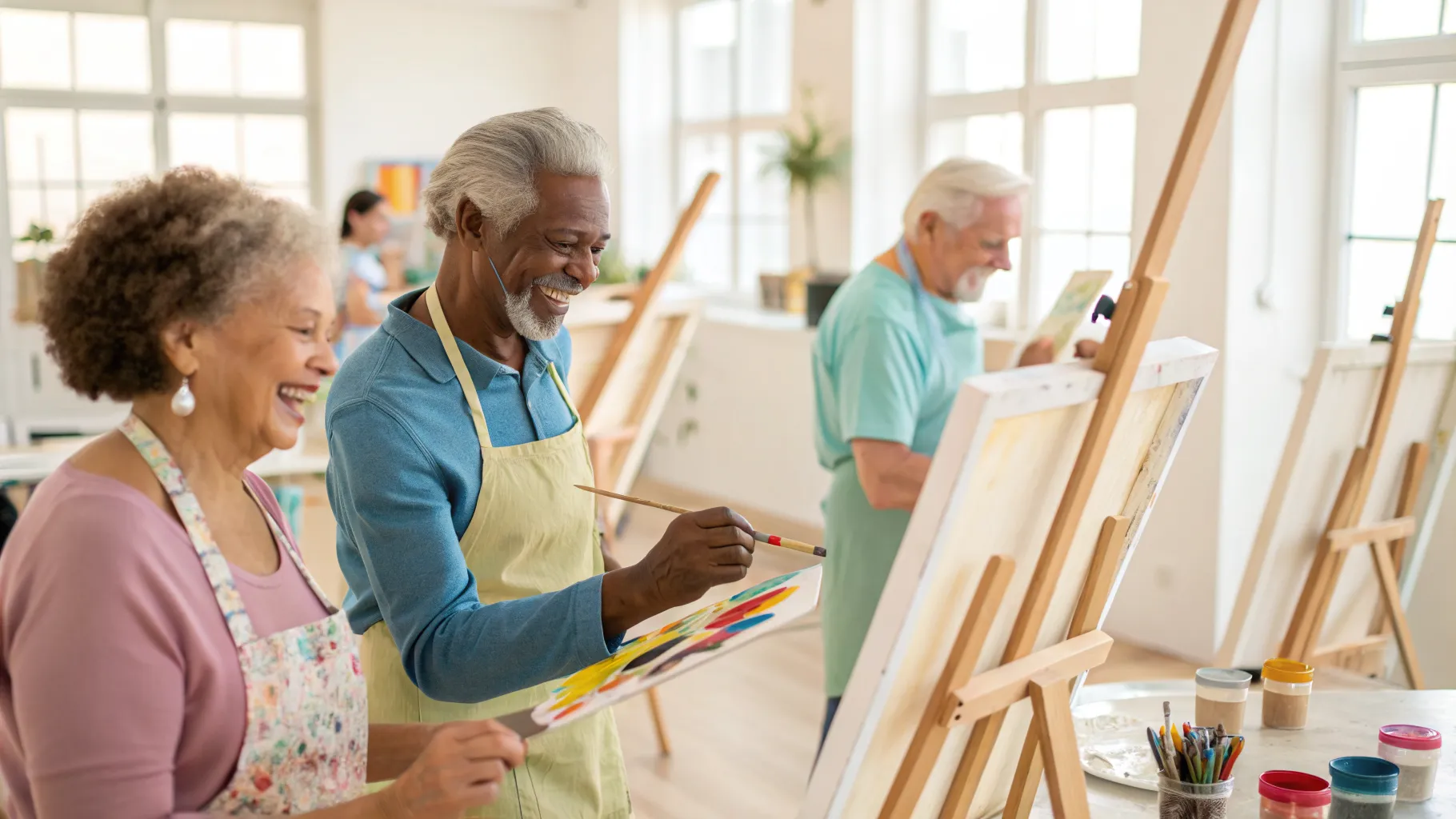
The Importance of Creative Pursuits in Later Life
Participating in an arts and craft classes for seniors guide is not just about producing a beautiful finished product. The actual process of creating art plays a crucial role in maintaining cognitive health. Learning new techniques stimulates neural pathways, which can help improve memory, problem-solving skills, and fine motor coordination over time.
Beyond the physical and mental exercises, creative workshops offer profound emotional benefits. Many older adults face feelings of isolation, and joining a group setting provides a structured, low-pressure environment to meet peers with similar interests. The shared experience of learning and creating fosters a strong sense of community and purpose.
Finding the Right Arts and Craft Classes for Seniors
Locating the perfect class requires knowing where to look in your local area. Community centers, senior centers, and public libraries frequently host beginner classes tailored specifically for older demographics. Additionally, independent art studios and community colleges often offer adult education programs that feature discounted rates for seniors.
When evaluating potential creative workshops, it is important to consider a few key factors to ensure a comfortable experience:
- Accessibility of the venue, including parking, ramps, and elevator access.
- The pace of the curriculum, ensuring it accommodates absolute beginners.
- Instructor experience in teaching older adults and adapting techniques.
- Whether materials are provided or if students must purchase their own supplies.
Popular Beginner Classes for Older Adults
For those new to the art world, certain mediums are more approachable than others. Watercolor painting is a frequent favorite because it requires minimal setup, is easy to clean, and allows for a loose, expressive style that does not demand perfect precision. Pottery and clay hand-building are also highly popular, offering a tactile experience that can be incredibly therapeutic for the joints.
Fabric arts, including knitting, crocheting, and quilting, remain staples in senior crafting communities. These activities are highly portable and often encourage conversation while working. For those who prefer a simpler starting point, basic sketching and colored pencil drawing require very little investment and can be practiced almost anywhere.
Adapting Creative Workshops for Physical Comfort
Physical limitations such as arthritis, reduced vision, or restricted mobility should never be a barrier to enjoying arts and crafts. Many modern instructors are trained to provide adaptations that make the creative process comfortable for everyone. This might include taking frequent breaks to rest hands and stretch wrists during a painting or sculpting session.
There is also a wide variety of ergonomic tools available to assist seniors in their creative endeavors. Chunky paintbrush grips, spring-loaded scissors, and specialized task lighting with built-in magnifying glasses can make a significant difference. Adjustable easels and drafting tables allow participants to work while seated comfortably in a supportive chair.
Online Learning Guide: Virtual Crafting Communities
For individuals who have difficulty traveling or simply prefer the comfort of their own home, the internet offers a vast learning guide of virtual classes. Many organizations and independent artists now stream live workshops or provide pre-recorded tutorials designed for all skill levels. These digital platforms have opened up a world of possibilities for home-bound individuals.
Setting up for a virtual class requires a clear workspace, a reliable internet connection, and a device with a screen large enough to view the demonstrations clearly. A major advantage of pre-recorded beginner classes is the ability to pause, rewind, and re-watch complex steps, allowing students to learn at their own completely individualized pace.
What to Expect When Attending Your First Session
Walking into a new environment can be intimidating, but knowing what to expect can help ease any initial anxiety. The primary focus in any beginner class is the learning process rather than achieving perfection. Instructors generally emphasize exploration, encouraging students to familiarize themselves with the materials and techniques without pressure.
A typical arts and craft session follows a gentle, predictable structure:
- A brief introduction to the day's project and a review of the required materials.
- A step-by-step demonstration by the instructor, showcasing specific techniques.
- Ample time for guided practice, where the instructor circulates to offer personalized help.
- A collective cleanup period, often accompanied by sharing the work created during the session.