10 Foods That Support Bone Strength: Your Ultimate Diet for Bone Health
Facts:
- Bone is living tissue that is constantly being broken down and replaced.
- A trend in bone health nutrition is focusing on plant-based calcium sources.
Building a Foundation: How Your Diet Impacts Skeletal Health
Maintaining strong, healthy bones is crucial throughout every stage of life, from childhood development to preventing osteoporosis in later years. While genetics play a role, your diet has a profound impact on your skeletal framework. A well-structured diet for bone health provides the essential building blocks your body needs to maintain bone density and resilience. This involves more than just consuming calcium; it's about a synergistic blend of vitamins and minerals. Incorporating the right bone health nutrition foods is a proactive and powerful strategy to support your long-term mobility and well-being, ensuring your bones can support you for a lifetime.
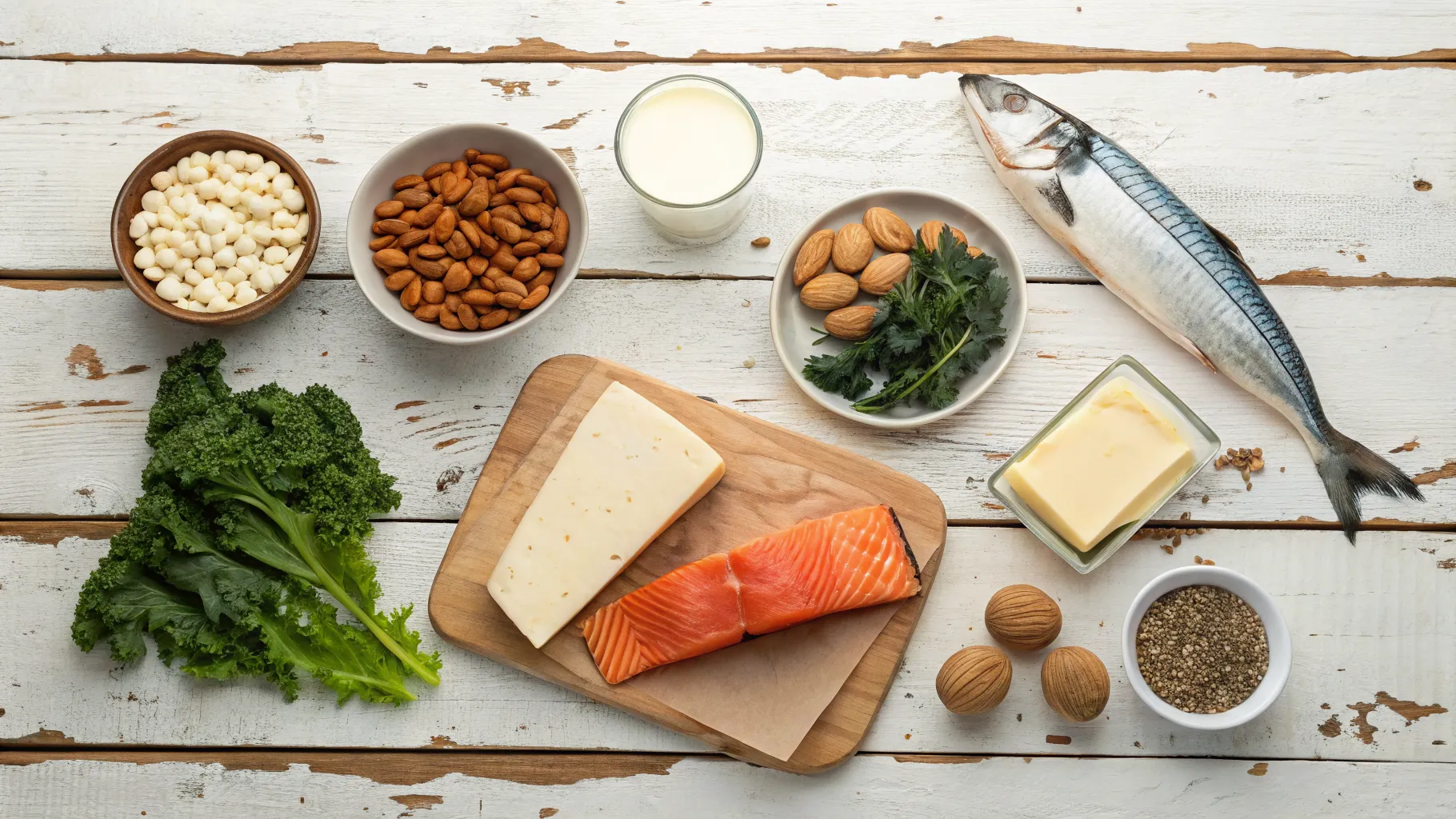
The Ultimate Bone Strengthening Foods List
Creating a robust skeleton requires a variety of nutrients. The following list details the top 10 foods for bone strength, each offering a unique profile of vitamins and minerals. From well-known calcium powerhouses to surprising sources of magnesium and Vitamin K, this comprehensive list will guide you in making informed choices. Integrating these items into your regular meals is a direct investment in your skeletal integrity and a key component of a successful diet for bone health.
1. Dairy Products (Milk, Yogurt, Cheese)
Dairy is often the first thing that comes to mind when considering foods for strong bones calcium, and for good reason. Milk, yogurt, and cheese are packed with highly absorbable calcium, the primary mineral in your bones. A single cup of milk or yogurt can provide a significant portion of your daily calcium requirement. Furthermore, many dairy products are fortified with Vitamin D, which is essential for your body to absorb and utilize calcium effectively. Greek yogurt, in particular, also offers a substantial amount of protein, another key component of bone structure.
2. Leafy Greens (Kale, Spinach, Collard Greens)
Dark, leafy greens are a cornerstone of any list of bone health nutrition foods. While they are excellent plant-based sources of calcium, their benefits don't stop there. They are rich in Vitamin K, which plays a critical role in bone metabolism and helps bind calcium to the bone matrix. Collard greens and kale are particularly noteworthy for their high calcium content. Although spinach also contains calcium, it has oxalates which can interfere with absorption, so it's best to consume it alongside other calcium-rich foods.
3. Fatty Fish (Salmon, Sardines, Mackerel)
Fatty fish are unique on this bone strengthening foods list because they are one of the few natural food sources of Vitamin D. This fat-soluble vitamin is crucial for calcium absorption in the gut. Without adequate Vitamin D, the calcium you consume may not be effectively utilized. Salmon and sardines are also excellent sources of omega-3 fatty acids, which may help protect against bone loss by reducing inflammation.
4. Fortified Foods (Cereals, Orange Juice, Plant Milks)
For those who are lactose intolerant or follow a vegan diet, fortified foods are an invaluable part of a diet for bone health. Many breakfast cereals, orange juices, and plant-based milks (like soy, almond, and oat) are fortified with both calcium and Vitamin D. It's important to check the nutrition labels to understand how much you're getting per serving, as the amounts can vary significantly between brands. These foods make it easier to meet your daily nutrient targets.
5. Tofu and Soy Products
Tofu is a fantastic plant-based option and a key part of our 10 foods for bone strength. A half-cup serving of calcium-set tofu can provide a substantial amount of your daily calcium needs. Additionally, soy products contain isoflavones, plant compounds that are believed to have a positive effect on bone density, particularly in postmenopausal women. Edamame and soy milk are other great ways to incorporate these benefits into your diet.
6. Nuts and Seeds (Almonds, Chia Seeds, Sesame Seeds)
Don't underestimate the power of nuts and seeds. Almonds are a good source of calcium, magnesium, and protein. Magnesium is another vital mineral for bone health, as it helps activate Vitamin D and directs calcium to the bones. Chia seeds and sesame seeds are also tiny powerhouses, packed with calcium, magnesium, and phosphorus—all of which contribute to the bone mineral matrix. They are easy to sprinkle on salads, yogurt, or into smoothies.
7. Beans and Legumes
Beans are a nutrient-dense addition to any list of bone health nutrition foods. Varieties like black beans, pinto beans, and kidney beans provide a good mix of calcium, magnesium, and phosphorus. They are also rich in fiber and protein. While they contain phytates, which can slightly reduce mineral absorption, the overall nutritional benefit is significant. Soaking and cooking beans properly can help minimize the effect of phytates.
8. Prunes (Dried Plums)
Prunes are an emerging superstar for bone health. Research suggests that eating a serving of prunes daily may help slow the rate of bone loss and even improve bone density. They are rich in Vitamin K and contain several phenolic compounds that may signal cells to increase bone formation. This makes them a unique and valuable part of a proactive diet for bone health.
9. Eggs
While not a major source of calcium, eggs earn their spot on the 10 foods for bone strength list due to their Vitamin D content, found in the yolk. They are also an excellent source of high-quality protein, which is essential as protein makes up about 50% of bone volume. A diet lacking in protein can negatively impact calcium absorption and bone formation, making eggs a simple and effective addition.
10. Lean Meats and Poultry
Protein is fundamental to a strong bone matrix. Lean meats like chicken and turkey provide the high-quality protein your body needs to build and repair bone tissue. They also offer other key nutrients like zinc, which is involved in bone mineralization. Ensuring adequate protein intake is a critical, though sometimes overlooked, aspect of a comprehensive diet for bone health.
Comparing Nutrient Sources for Optimal Bone Health
When designing a diet for bone health, it's important to consider nutrient bioavailability. For instance, the calcium in dairy is generally more easily absorbed than the calcium from some plant sources high in oxalates, like spinach. However, leafy greens like kale have excellent bioavailability. The key is diversity. By including a mix of dairy, fatty fish, leafy greens, and fortified products, you create a powerful nutritional safety net. A diet relying on a single source of nutrients is less effective than one that combines the best of all foods for strong bones calcium and their complementary vitamins like D and K.
Actionable Steps for a Bone-Strengthening Diet
Incorporating these foods into your daily routine is easier than you think. Here are some practical tips to get started:
- Build a Balanced Plate: At each meal, aim to include a source of protein, a calcium-rich food, and plenty of fruits and vegetables. A sample dinner could be grilled salmon, a side of steamed collard greens, and a baked sweet potato.
- Snack Smart: Replace processed snacks with bone-healthy options. A handful of almonds, a container of Greek yogurt, or a hard-boiled egg can provide essential nutrients between meals.
- Read Nutrition Labels: When buying fortified foods like cereals or plant milks, always check the label to see how much calcium and Vitamin D you're getting per serving. This helps you make the most informed choices.
- Combine for Absorption: Pair your calcium sources with foods rich in Vitamin D and K. For example, have an egg scramble with spinach and a side of fortified orange juice to maximize nutrient synergy.
Frequently Asked Questions
What are the best foods for strong bones calcium besides dairy?
Excellent non-dairy sources of calcium include fortified plant milks (almond, soy, oat), calcium-set tofu, dark leafy greens like kale and collard greens, sardines with bones, and almonds. Diversifying your sources is a key part of a successful diet for bone health.
How important is a diet for bone health at a young age?
It is critically important. The majority of a person's bone mass is built during childhood and adolescence, peaking around age 30. A nutrient-rich diet during these years establishes a strong foundation, which can significantly reduce the risk of fractures and osteoporosis later in life. A focus on bone health nutrition foods from an early age is a long-term investment.
Can I get all my bone health nutrients from this bone strengthening foods list alone?
This list provides a fantastic foundation for excellent bone health. However, lifestyle factors are also crucial. Regular weight-bearing exercise (like walking, running, and weightlifting) is essential for stimulating bone growth. Additionally, for some individuals, especially those with limited sun exposure, a Vitamin D supplement may be necessary to ensure optimal calcium absorption. It's always best to consult with a healthcare provider to create a personalized plan.
References
- National Institute of Arthritis and Musculoskeletal and Skin Diseases
- International Osteoporosis Foundation
- The American Journal of Clinical Nutrition
- Journal of Bone and Mineral Research