10 Signs of Liver Damage You Should Know
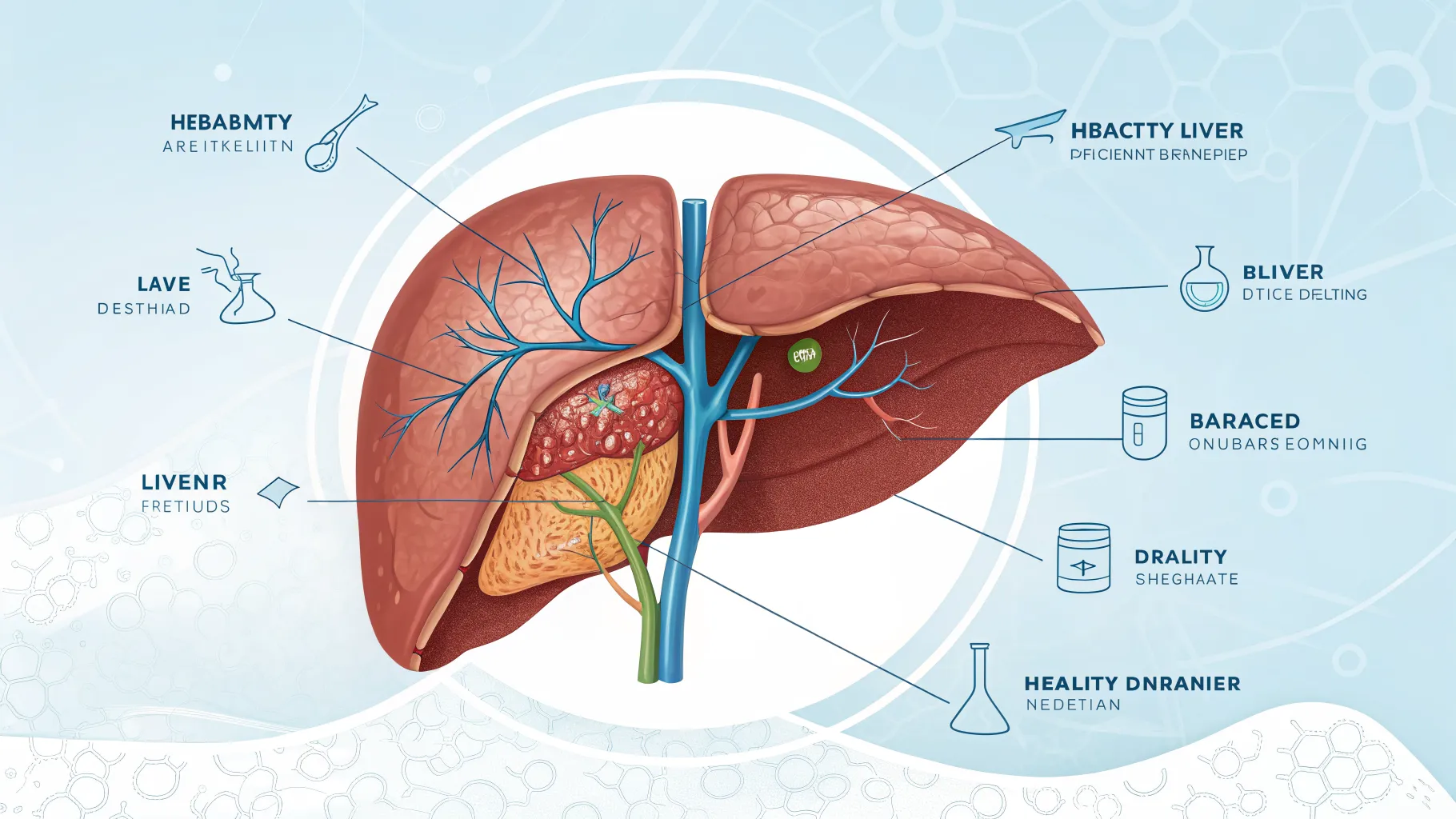
The liver is one of the most vital organs in the human body, responsible for filtering toxins, aiding in digestion, and regulating metabolism. When this crucial organ begins to fail or sustain damage, the body often sends out warning signals. Recognizing these symptoms early can make a significant difference in managing health outcomes and preventing further complications.
1. Jaundice and Changes in Skin Tone
Jaundice is perhaps the most recognizable indicator that the liver is struggling to function properly. It manifests as a distinct yellowing of the skin and the whites of the eyes. This discoloration occurs due to a buildup of bilirubin, a yellowish pigment produced during the normal breakdown of red blood cells.
A healthy liver processes bilirubin and excretes it through bile. When liver function is compromised, this pigment accumulates in the bloodstream and deposits in the tissues. Anyone experiencing sudden or gradual yellowing of their skin or eyes should consult a healthcare professional, as this is a primary marker of hepatic distress.
2. Abdominal Pain and Swelling
Discomfort in the upper right side of the abdomen is another frequent warning sign. The liver is located in this area, and damage or inflammation can cause a dull ache or sharp pain. Patients often describe a feeling of fullness or throbbing that does not resolve with rest or changes in posture.
In addition to pain, liver disease can lead to a condition called ascites, which is the accumulation of fluid in the abdominal cavity. This fluid buildup causes the stomach area to swell prominently, creating a tight and distended appearance. Ascites typically indicates more advanced liver issues and requires proper medical evaluation.
3. Edema in the Legs and Ankles
Fluid retention does not only affect the abdomen; it can also pool in the lower extremities. This condition, known as edema, leads to visible swelling in the legs, ankles, and feet. Gravity pulls the excess fluid downward, making the swelling more noticeable after long periods of standing or sitting.
The root cause of this fluid retention is often a decrease in the production of albumin, a protein made by the liver that helps keep fluid in the bloodstream. Without enough albumin, fluid leaks into surrounding tissues. Elevating the legs may provide temporary relief, but addressing the underlying hepatic condition is necessary for long-term management.
4. Persistent and Unexplained Itching
While itchy skin can be caused by allergies or dry environments, persistent pruritus (itching) is a well-documented symptom of liver complications. This type of itching often feels deep within the skin and is not accompanied by a visible rash or bug bite. It can be particularly intense on the palms of the hands and the soles of the feet.
Medical experts believe this itching is related to the accumulation of bile salts in the bloodstream, which then deposit in the skin tissues. The sensation can be severe enough to disrupt sleep and daily activities. Over-the-counter anti-itch creams generally offer little to no relief, prompting individuals to seek medical diagnostic testing.
5. Unusually Dark Urine Color
Changes in bathroom habits can provide critical clues about internal health. Dark urine is a common symptom reported by individuals with liver complications. Even when a person is well-hydrated, their urine may appear amber, orange, or even dark brown.
This darkened color is directly linked to the excess bilirubin in the blood that the liver cannot process. The kidneys attempt to filter out this excess pigment, resulting in deeply colored urine. Consistently dark urine that does not improve with increased water intake is a strong reason to schedule a medical checkup.
6. Pale or Clay-Colored Stool
Just as urine can become darker, stool can become noticeably lighter. A healthy liver produces bile, which is responsible for giving stool its typical brown color. When there is a blockage in the bile ducts or the liver is not producing enough bile, the digestive process is altered.
The result is stool that appears pale, gray, or clay-colored. This lack of pigment is a direct reflection of a disruption in the biliary system. Accompanying changes might include stool that is unusually foul-smelling or greasy, as a lack of bile makes it difficult for the body to digest fats properly.
7. Chronic Fatigue and Lethargy
Feeling constantly tired is a vague symptom that can be attributed to many conditions, but it is incredibly common among those with liver distress. This type of fatigue is not simply fixed by a good night of sleep; it is a profound, debilitating exhaustion that interferes with a person's ability to function normally.
Researchers suggest this exhaustion stems from changes in brain chemistry and hormone levels caused by impaired liver function. The body expends a massive amount of energy trying to compensate for the failing organ. When the liver cannot properly store and release glucose, energy levels plummet dramatically.
8. Nausea and Unexplained Vomiting
The liver plays a central role in digesting food and clearing toxins from the blood. When it is damaged, toxins can build up rapidly in the bloodstream. This toxic burden often triggers nausea and a general feeling of malaise, particularly after consuming heavy or fatty meals.
In more severe cases, this persistent nausea can lead to episodes of vomiting. Because the digestive system is heavily reliant on hepatic function, any disruption can cause gastrointestinal upset. Frequent nausea without a clear cause, such as food poisoning or a virus, warrants a closer look at internal health.
9. Noticeable Loss of Appetite
Along with nausea, a significant decrease in appetite is a frequent warning sign. Individuals may find themselves feeling full after only a few bites of food, or they may lose their desire to eat entirely. This can happen quite suddenly or develop gradually over several months.
This lack of appetite is intimately tied to the digestive discomfort and nausea caused by the liver's inability to process nutrients efficiently. Over time, eating less leads to unintended weight loss and nutritional deficiencies, further weakening the body and complicating the underlying hepatic condition.
10. Tendency to Bruise Easily
A healthy liver produces several proteins that are essential for blood clotting. When the organ sustains damage, its ability to manufacture these vital proteins diminishes. Consequently, the blood loses its normal clotting efficiency, making the body highly susceptible to bruising and bleeding.
Individuals might notice large bruises appearing from minor bumps that would previously have left no mark. Additionally, cuts may take much longer to stop bleeding, and nosebleeds may become more frequent. This symptom highlights a systemic change in blood chemistry that requires immediate medical evaluation.
Common Causes and Risk Factors
Understanding what leads to these ten signs can help individuals take preventive measures. Chronic alcohol consumption is one of the most well-known causes, as processing heavy amounts of alcohol creates toxic byproducts that scar the liver tissue. Over time, this repeated stress can lead to cirrhosis, a severe form of permanent scarring.
Beyond alcohol, other factors play a significant role. Non-alcoholic fatty liver disease (NAFLD) is increasingly common and is linked to obesity, type 2 diabetes, and high cholesterol. Viral infections, specifically Hepatitis B and C, also cause chronic inflammation that degrades liver function over many years if left untreated.
The Importance of Professional Medical Guidance
The presence of one or more of these ten signs does not automatically guarantee permanent liver damage, but it is a clear signal that professional assessment is necessary. Doctors typically utilize a combination of blood tests, imaging studies, and sometimes biopsies to determine the exact state of the organ.
Early detection is highly beneficial because the liver possesses an incredible capacity to regenerate and heal itself if the underlying cause is addressed promptly. Adopting a healthier lifestyle, managing concurrent medical conditions, and following a physician's guidance are the best steps to take if warning signs appear.